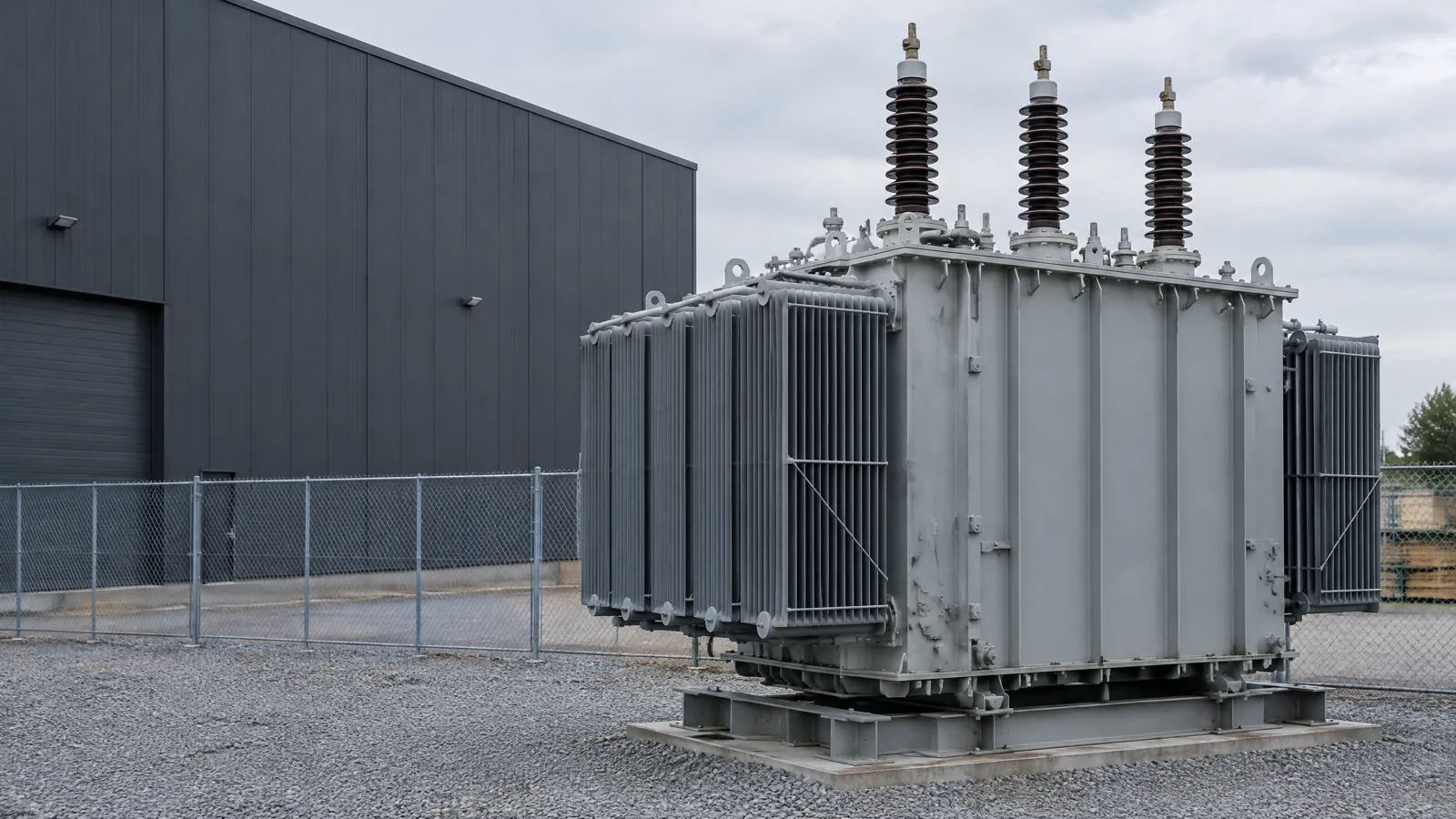
Substation and Power Transformer Buyers
Have a substation transformer left after a plant upgrade, a redundant power unit, or a new surplus transformer from a canceled project? Surplus Valve Buyer is an independent Houston-based surplus equipment purchase-review business. Contact us about reusable used and new surplus units, including equipment still installed at an industrial site. Start with what you know; a complete engineering package is not required for an initial conversation. Nameplate ratings, operating history and removal constraints help establish whether a purchase can proceed. Each unit receives a case-by-case review, with no guaranteed offer or automatic acceptance based on size alone.
Identify the transformer's original duty
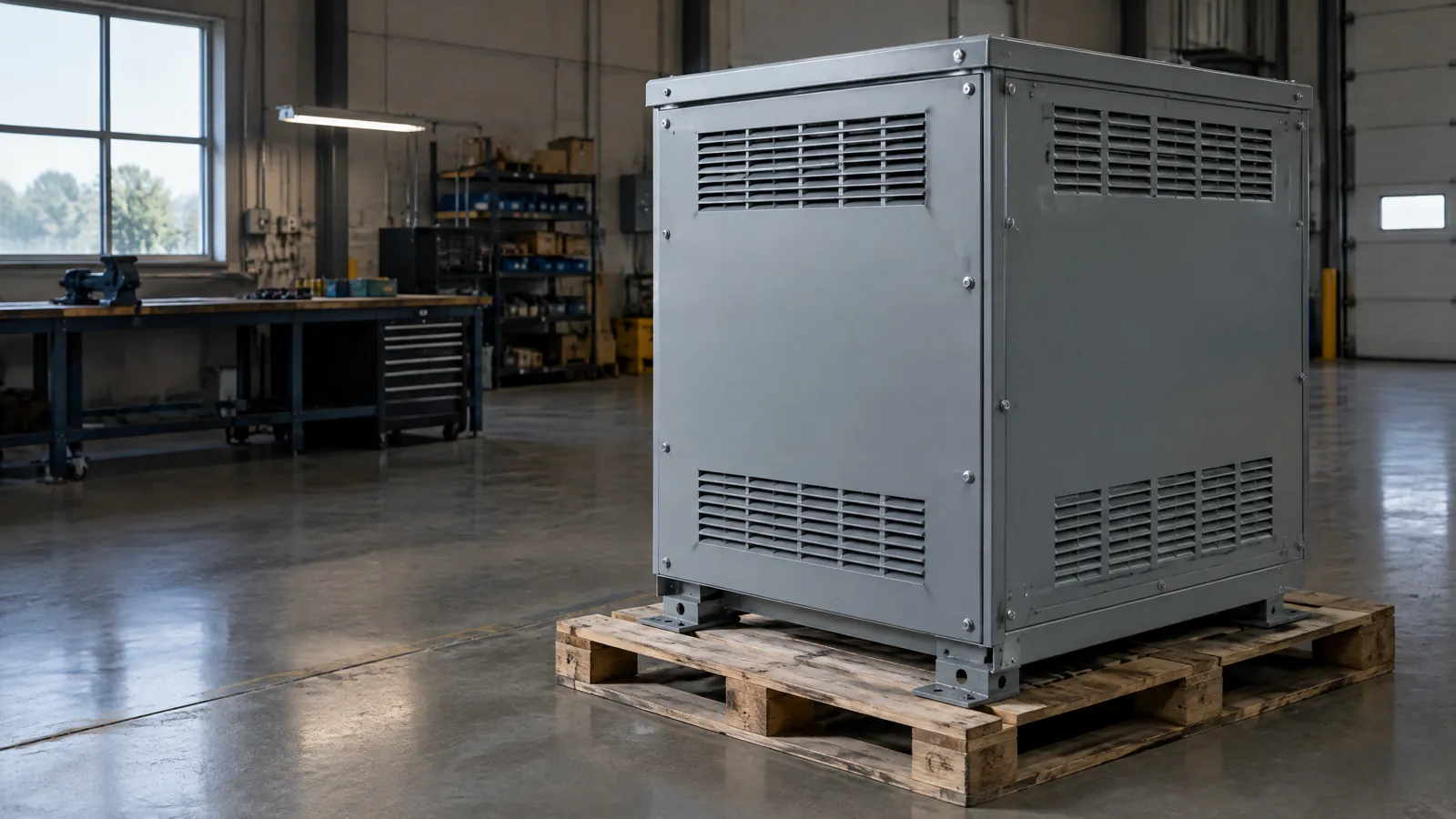
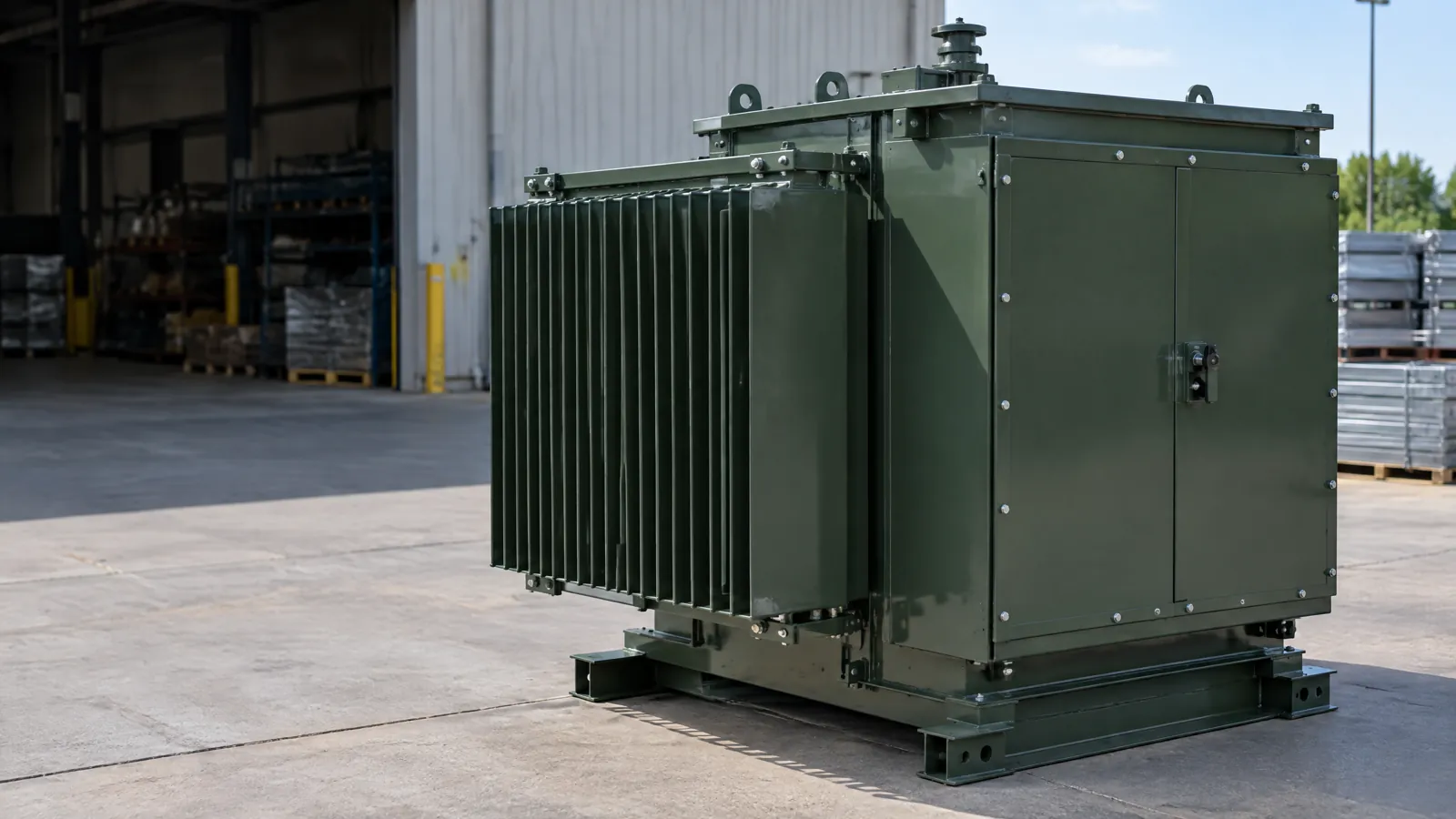
Describe whether the unit served an industrial secondary substation, a higher-voltage power substation or another documented application. A transformer attached to an indoor unit substation is not the same package as an open outdoor power transformer. Manufacturer literature distinguishes these layouts and applications; the sale description should do the same.
If the equipment was used for generator step-up service, identify that duty rather than relabeling it as a general plant transformer. Include the manufacturer and serial number from existing records. Manufacturer names identify equipment only; Surplus Valve Buyer does not claim manufacturer affiliation.
Report every kVA or MVA rating
Send the complete rating information rather than only the largest number on the plate. Include cooling designations, temperature-rise ratings, phase and frequency. Different cooling stages can carry different capacities, so a headline MVA figure may not describe the self-cooled rating.
For example, Eaton's Cooper Power series catalog lists a 2,500 kVA self-cooled KNAN unit with a 3,125 kVA KNAN/KNAF forced-air rating at 65 °C rise. That is a manufacturer example, not an acceptance promise. Note whether the corresponding fans, controls and radiators remain with your equipment.
High and low voltage need their own details
Provide the exact high-voltage and low-voltage ratings, winding connection markings and tap information shown on the nameplate or drawings. Include any tertiary winding and identify whether the unit is an autotransformer.
Industrial and transmission equipment can differ substantially. Eaton publishes a substation primary-voltage range of 2,400–46,000 V; Hitachi Energy illustrates a system-intertie application stepping 400 kV down to 220 kV. These separate manufacturer examples explain why identification matters. They do not define units we promise to purchase.
Include impedance and the connection diagram
Record the nameplate impedance percentage and its stated rating basis. Eaton's published impedance table varies with capacity, high-voltage insulation level and low-voltage class; one assumed percentage is not a reliable substitute for your unit's data.
A legible connection diagram helps keep winding arrangements and terminal markings attached to the correct serial number. Also send the stated basic impulse insulation level, or BIL, when available. Missing information can be identified during review rather than filled in with an estimate.
Drawings reveal what the sale includes
General-arrangement drawings help describe overall dimensions, bushing positions, terminal chambers and attached cooling equipment. For unit-substation equipment, clarify which transformer enclosures and connection sections belong to the sale. For larger power units, identify separately stored accessories and match them to the transformer records.
Provide actual equipment weights and shipping information when available. Eaton labels its catalog dimensions and weights as reference information, not construction data. Do not use generic figures for an engineered removal plan. Explain any changes from the drawings.
Separate operating history from assumed condition
Explain why the transformer became surplus and when it last operated. Retirement after a capacity upgrade is different from removal following a fault. Share existing maintenance records, factory tests, electrical test reports and fluid-analysis reports, with dates and serial numbers. Do not describe an untested unit as ready for service.
Disclose known leaks, damaged bushings, corrosion, missing cooling accessories or prior repairs. New surplus also needs context: delivery date, storage location, preservation records and whether it was ever energized. An unused label alone does not resolve condition.
Installed equipment needs an engineered removal scope
Tell us whether the transformer is operating, isolated, disconnected or already staged for shipment. For installed units, describe site restrictions, enclosure openings, overhead obstructions and the proposed release date. Existing drawings and site-approved access photographs can support planning without exposing anyone to electrical hazards.
Electrical isolation and verification belong to qualified personnel under applicable rules and site procedures. Heavy-equipment removal also requires a unit-specific plan from the responsible professionals. Do not disconnect, lift or move equipment to make a sales inquiry. Review does not itself authorize removal or confirm pickup capability.
Fluid and PCB records require separate review
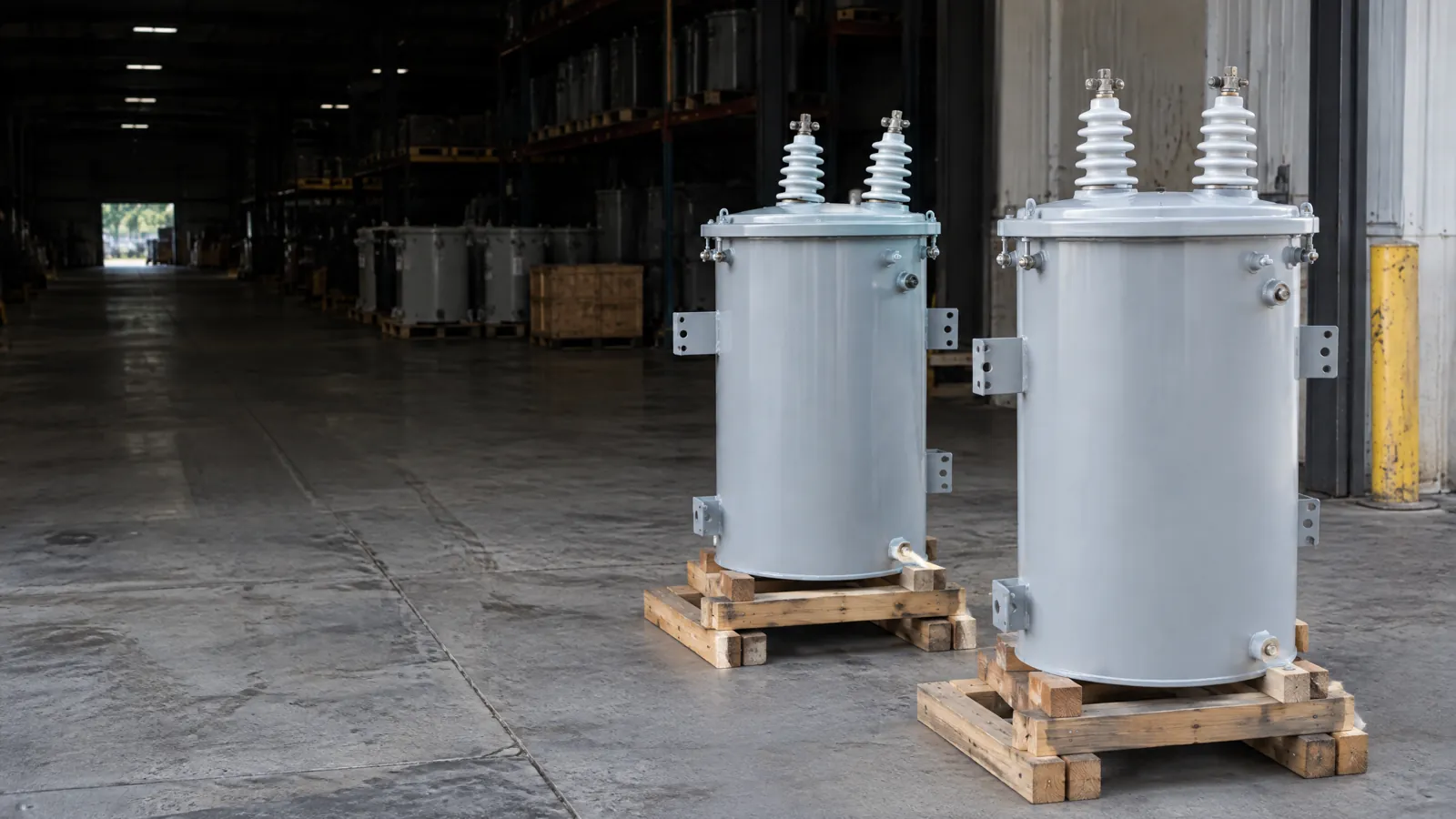
Identify the insulating fluid from documentation and include available PCB test results, manufacturer markings and fluid-service records. EPA's rules provide specific concentration assumptions and methods for establishing PCB concentration. Age alone does not establish the fluid's actual concentration or purchase eligibility.
Fluid-filled equipment is reviewed case by case. Unknown or regulated PCB status requires environmental review before any transfer, handling or disposal arrangement. EPA identifies requirements for PCB waste storage and disposal; a reusable-equipment inquiry does not override them. Do not drain fluid or strip the transformer in preparation for selling it.
Compare purchase terms with removal responsibilities
For a large installed transformer, a proposed purchase price and a workable removal scope are separate questions. Clarify who owns the equipment, who can release it and whether the sale covers the complete transformer and identified accessories. State any shutdown deadline before discussing transport.
Any purchase arrangement should spell out condition assumptions, inspection requirements, payment timing and the point of ownership transfer. It should also allocate electrical work, loading, freight and environmental responsibilities. Do not assume these services are included in an initial discussion or that every reviewed unit will receive an offer.
Start with a short equipment description
Call (951) 403-5738 or email industrial832@gmail.com. Share the location, quantity, approximate capacity and whether the equipment is installed or stored. An existing nameplate photograph is helpful but optional for the first contact. Never open compartments or enter a restricted electrical area to obtain one.
For multiple transformers, keep each serial number, rating and document set together. If you lack drawings or test records, say so. We can identify what else is needed before a proposed transaction proceeds.