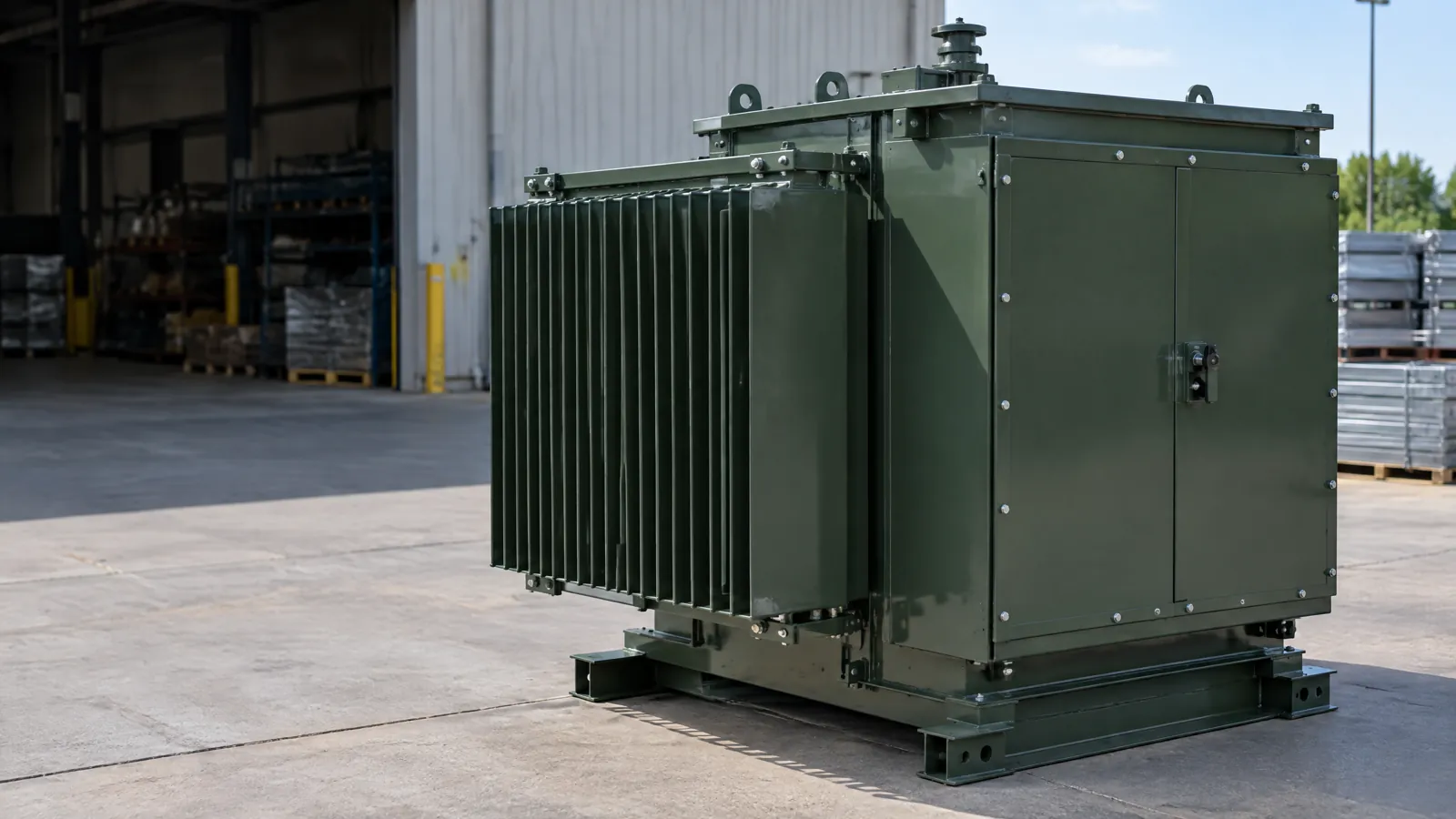
Pad-Mounted Transformer Buyers
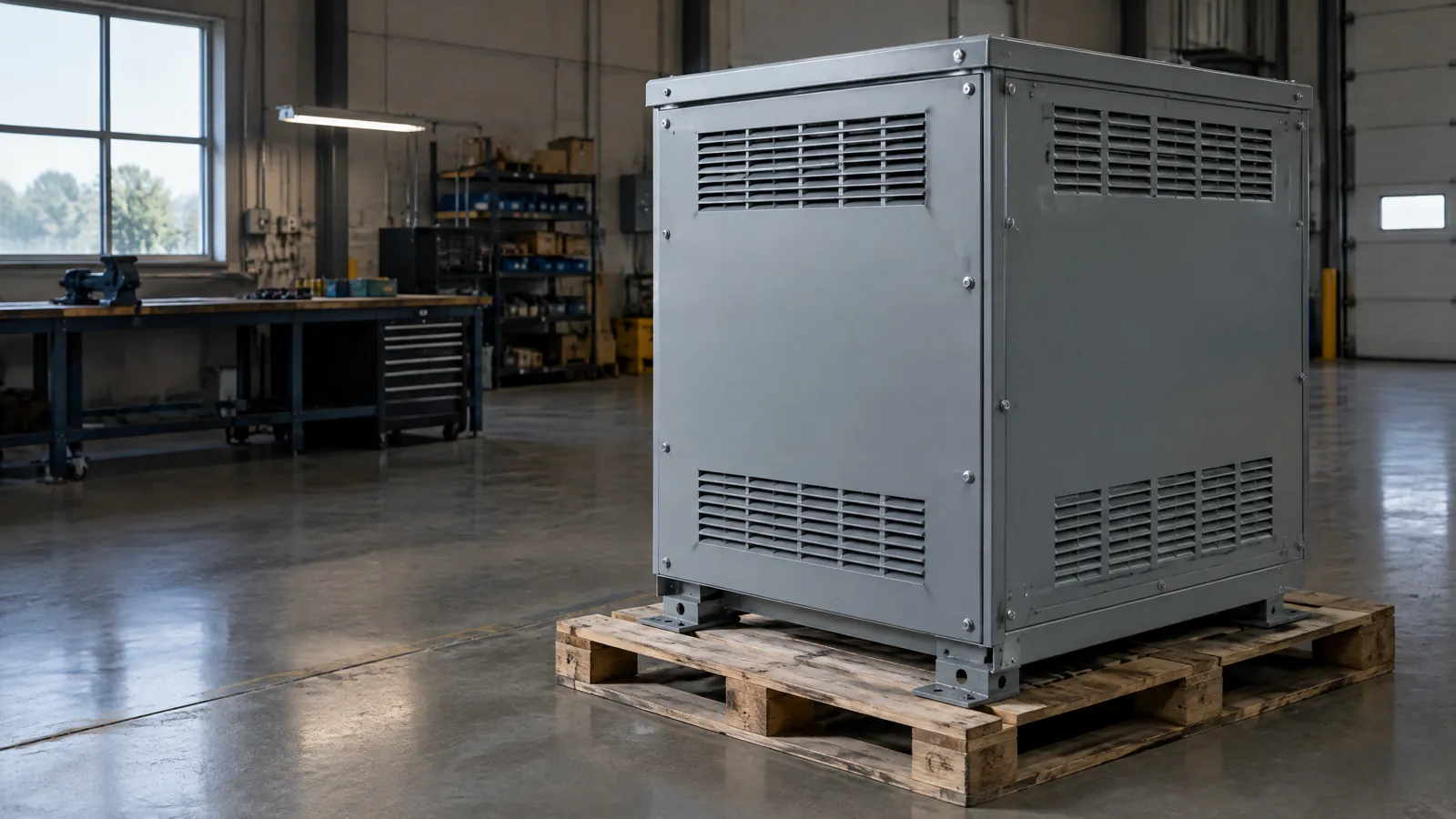
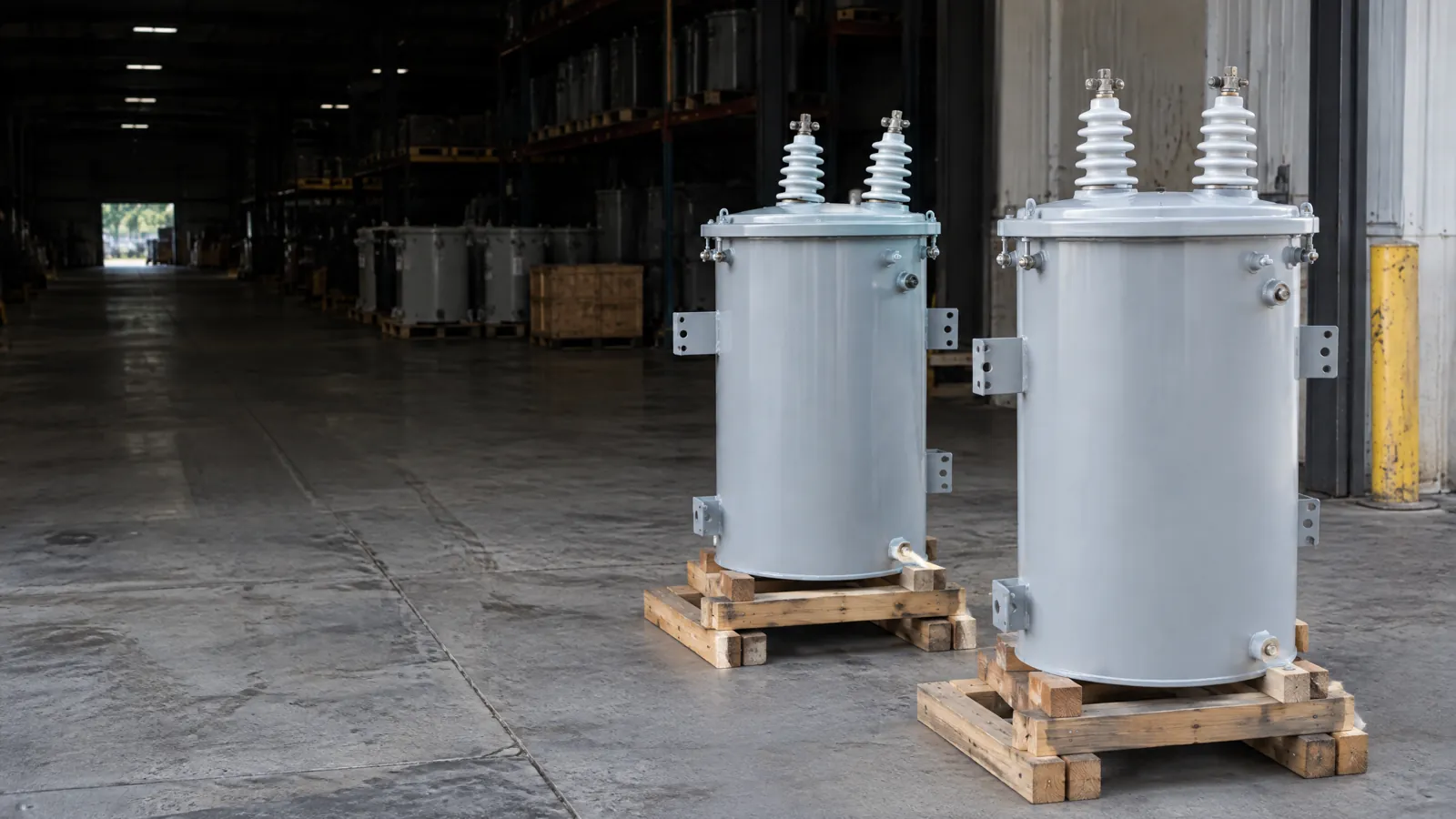
Have an oil-filled pad-mounted transformer left from a canceled project, facility upgrade or spare-equipment program? Surplus Valve Buyer reviews reusable used and new surplus units for potential purchase. Start with a short description, quantity and location; photos are optional for the first message. You do not need to identify every feature before contacting us. Ownership, electrical ratings, fluid history and condition can follow as the review develops. We are an independent Houston-based surplus equipment purchaser, not a manufacturer representative. Each transformer is reviewed individually, and contacting us does not guarantee an offer or acceptance.
Confirm who owns the transformer
Before describing a padmount as available for sale, confirm that you own it or have written authority from the owner. A transformer serving your building is not automatically an asset you can sell. Check the purchase invoice, asset register, utility agreement or project transfer paperwork rather than relying on its location. Tell us about any ownership uncertainty early. Equipment review and permission to disconnect or remove it are separate matters.
Identify single-phase or three-phase equipment
Phase is a useful starting point because single-phase and three-phase padmounts are not interchangeable descriptions. Eaton identifies single-phase pad-mounted transformers with underground residential distribution, while its three-phase designs also serve commercial and industrial applications. ERMCO's single-phase brochure lists secondary voltage examples such as 240/120 V; its three-phase brochure lists examples including 208Y/120 V and 480Y/277 V. These published examples illustrate identification details, not purchase eligibility.
Preserve the complete nameplate voltage notation
Send the manufacturer, serial number, kVA and complete primary and secondary voltage text when available. Preserve letters, slashes and connection designations instead of shortening everything to a voltage class. ERMCO's dated 2022 stock sheet documents a 75 kVA three-phase radial-feed padmount with 13800GY/7970 V primary and 208Y/120 V secondary. It also documents a 500 kVA loop-feed example with 22860GY/13200 V primary and 480Y/277 V secondary. These are historical manufacturer examples, not our inventory or acceptance promises. Include the connection diagram, impedance and tap information if already recorded.
Describe deadfront or livefront construction
Deadfront and livefront describe the primary termination arrangement, not whether a transformer is disconnected. Eaton distinguishes livefront porcelain-style connections with exposed voltage-carrying parts from deadfront separable insulated connectors. A deadfront designation is never permission to open a cabinet or touch its contents. Tell us which style appears in the specification or existing inspection report. Include documented connector ratings or missing termination components when known, but leave physical identification inside the compartment to qualified personnel working under appropriate safety procedures.
Record radial-feed or loop-feed layout
Eaton explains that loop-feed transformers provide paired primary connections so the circuit can continue downstream. Howard Industries lists three high-voltage bushing wells for radial operation and six for loop operation on its standard three-phase deadfront product. Those counts are a manufacturer example, not a rule for every transformer configuration. Use the original drawing or specification to identify your unit. Do not open the cabinet to count bushings, and do not assume that loop-feed construction confirms the site's present operating arrangement.
Gather fluid and PCB documentation
Identify the insulating fluid from the nameplate, original specification and service records. Eaton offers pad-mounted designs with mineral oil or alternative dielectric fluids, so a green cabinet does not establish fluid type. Share existing PCB laboratory results, manufacturer concentration documentation and records of fluid additions or replacement. EPA's rules address both concentration assumptions and evidence establishing PCB concentration; age alone is not proof of actual fluid status. Fluid eligibility is reviewed case by case. Unknown or regulated PCB status may require a different disposition path, and a purchase inquiry is not disposal authorization.
Separate condition from appearance
Describe whether the unit is unused surplus, previously operated, removed working, untested or known damaged. For used equipment, include the removal date and reason for retirement if known. Exterior paint does not establish winding health, and an unused unit may still have storage or transport damage. Disclose known leakage, corrosion, dents, flood exposure and missing parts. Keep the transformer intact for review; do not strip components, drain fluid or attempt repairs to make it easier to sell.
Use existing records without energized access
A buyer inquiry does not justify opening an energized transformer. Start with existing nameplate photographs, drawings or asset records, plus exterior photos only where safely accessible. If the nameplate is inside a locked compartment, leave it there until authorized qualified personnel can obtain the information safely. OSHA requires appropriate electrical safety procedures and qualified verification of deenergized condition; equipment merely described as switched off must not be treated as safe. We do not ask sellers to operate equipment, remove connectors, take fluid samples or perform electrical tests for an initial inquiry.
Explain installed versus released status
Tell us whether the transformer remains connected on its pad, has been disconnected but not moved, or is already stored elsewhere. Include the city and state, release timetable and any site access restrictions. Share documented dimensions and filled weight if available; do not substitute a generic catalog weight for your unit. Qualified personnel must handle electrical disconnection, and removal or loading arrangements need separate agreement. No pickup capacity or schedule is assumed from an inquiry.
Send one clear record for each padmount
For multiple transformers, keep each serial number paired with its own ratings, condition notes and fluid records. Two similar cabinets can have different voltages or feed arrangements. If paperwork is incomplete, identify what is known and what still needs confirmation. Send the first message to industrial832@gmail.com or call (951) 403-5738. Surplus Valve Buyer can review the available information before further details are gathered; any proposed purchase remains subject to equipment-specific review and agreed terms.