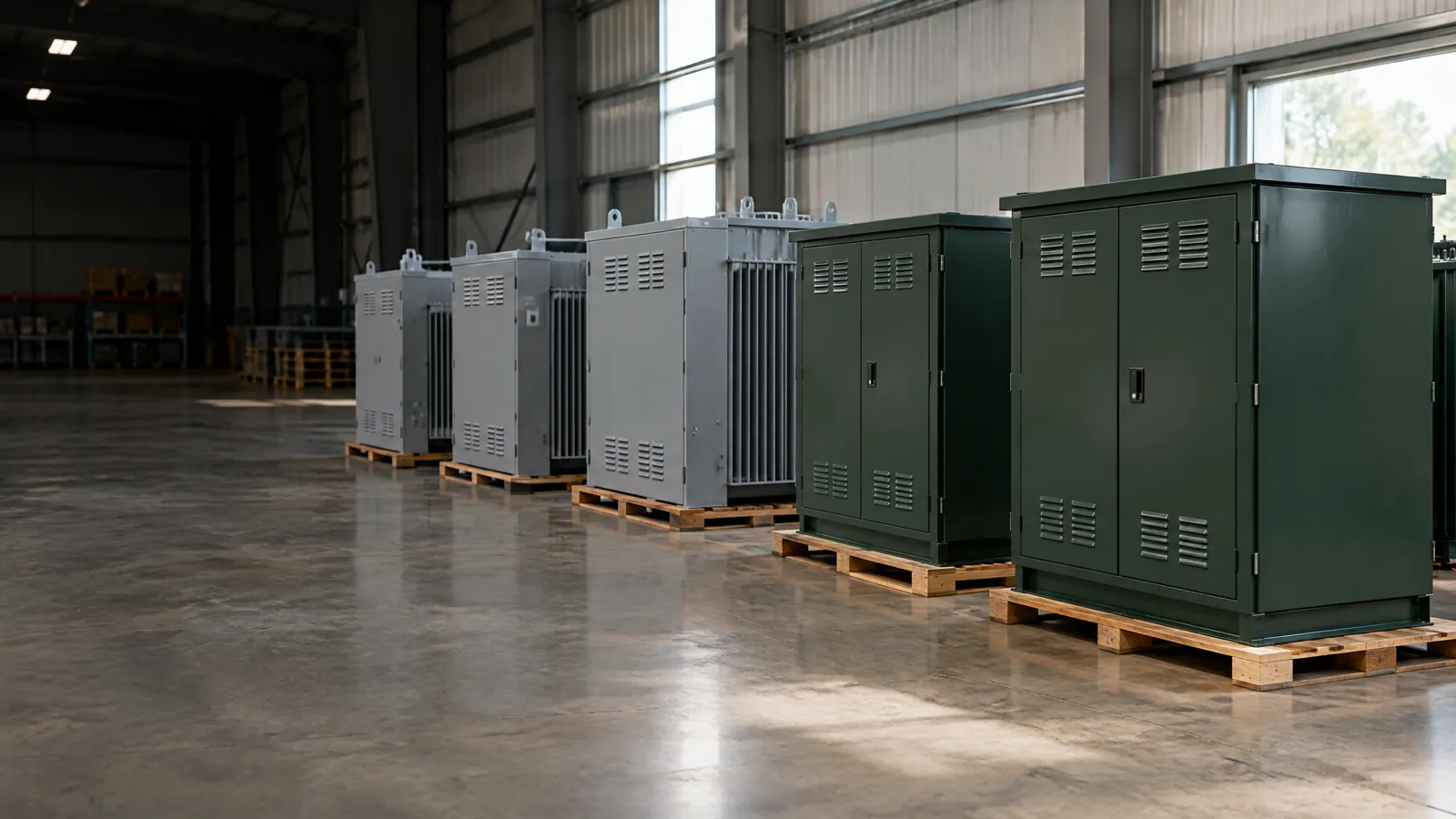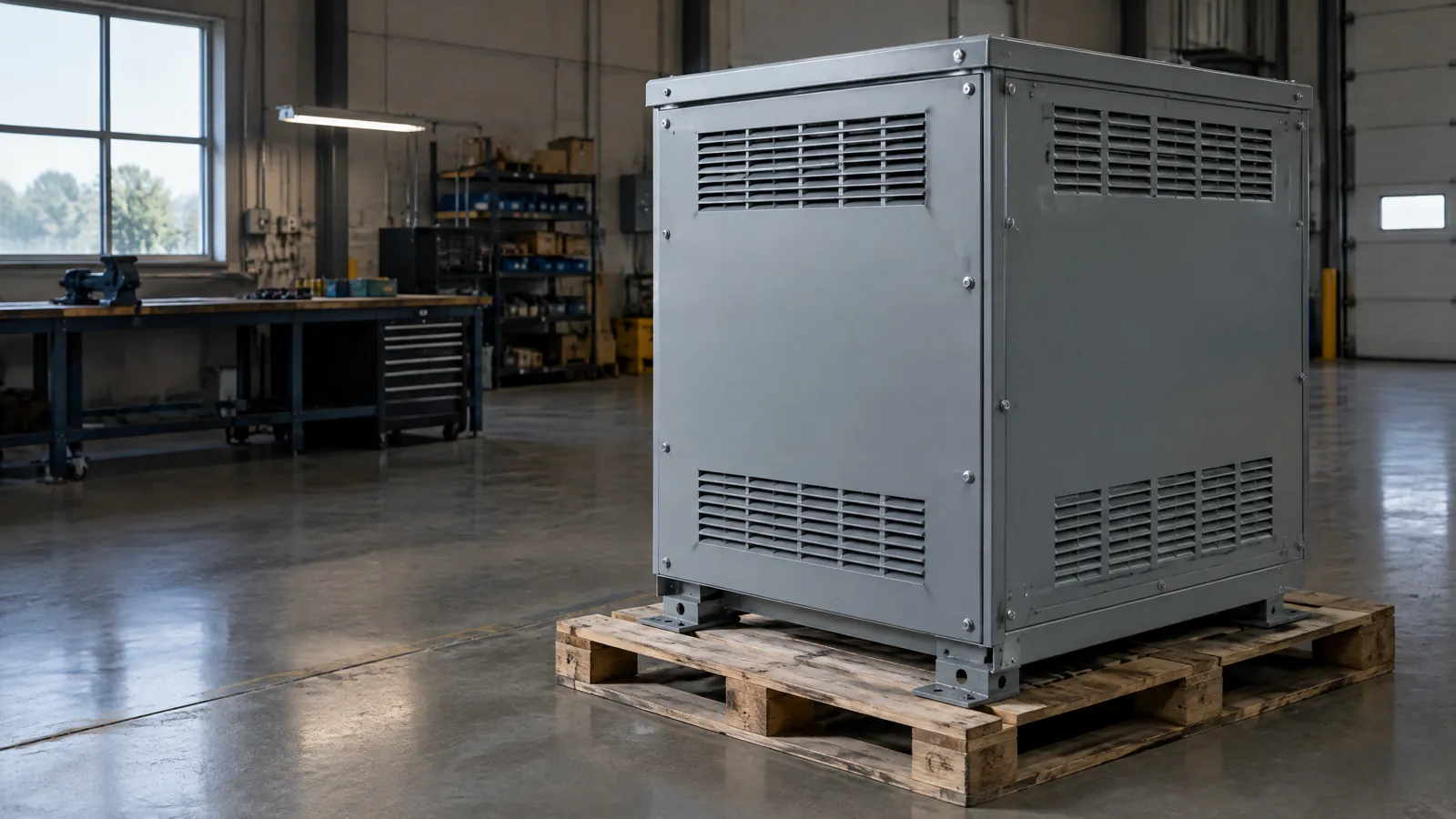
Square D and Schneider Electric Transformer Buyers
Have a Square D transformer left over from a canceled project, equipment replacement or warehouse cleanout? Surplus Valve Buyer reviews reusable used and new surplus Square D and Schneider Electric transformers for possible purchase. We are an independent Houston-based equipment buyer, not the manufacturer or an authorized service center. Start with the model number, quantity, location and what you know about condition. Dry-type distribution transformers and smaller industrial control transformers need different identification details, so describe the actual equipment rather than just its brand. Photos are helpful when available, but a short initial message is enough to begin.
Square D and Schneider Electric: identify both names
Square D belongs to Schneider Electric, which acquired the company in 1991. A seller may have equipment labeled Square D, documentation bearing Schneider Electric's name, or both. Include the wording on the actual transformer and its complete catalog number so the inquiry stays tied to the physical unit.
Our role is surplus acquisition review. We do not provide manufacturer warranty processing, factory replacement nameplates or application engineering. An official product listing helps identify equipment; it does not establish its present condition, suitability for a new installation or a purchase commitment from us.
Dry-type distribution examples and legacy references
Schneider Electric identifies EE45T3H as a dry-type, 45 kVA, three-phase transformer with a 480 V delta primary and 208Y/120 V secondary. Its official page names EXN45T3H as the recommended replacement, with the same stated capacity and voltages. These are identification examples, not an acceptance list or a claim that the two units are identical.
If you have an EE, EX or EXN reference, send the complete code from your unit rather than substituting a newer catalog number. Keep any original datasheet or project record with it. A replacement reference should not overwrite the identity of the transformer being offered.
Class 9070 control transformers need their full suffix
Square D's official industrial control catalog identifies Type T as 9070T and Type TF as 9070TF. These control products should not be described as building distribution transformers. Schneider explains that voltage codes are embedded in the catalog number, making the final characters important to identification.
For example, 9070T200D20 is a 200 VA, single-phase control transformer with a listed 208/230/460 V primary and 115 V secondary. Another example, 9070T1000D23, is 1000 VA with a 120x240 V primary and 24 V secondary. Quote the marked units and voltage notation exactly; neither example promises purchase eligibility.
Preserve the nameplate and supporting records
When safely available, provide the full catalog number, capacity, primary and secondary voltages, phase and frequency. Include date, plant and serial identifiers where present. For EE and EX replacement-nameplate inquiries, Schneider specifically requests the catalog number, date code, plant code and Quote to Cash number if available. Those records can also help explain an incomplete surplus description.
Do not create a substitute label or assign ratings from a similar-looking unit. For Type T equipment, preserve all applicable rating marks: the manufacturer catalog distinguishes UL/cUL/CSA/NOM VA ratings from CE VA ratings. If a label is missing or unreadable, say so and share existing documentation.
Explain whether it is unused, removed-working or untested
New surplus and reusable used equipment can be submitted for review. Tell us whether the transformer was never installed, kept as a spare, or removed from service. If you describe it as removed-working, explain what that description is based on and when it last operated. Unknown operating history should remain unknown.
Disclose known overheating, water exposure, enclosure damage, missing parts or modifications. Existing inspection and test reports can support the description, but they should identify the same unit. Original packaging is useful context for unused stock; it is not a substitute for documenting storage condition or the actual nameplate.
Keep mixed transformer lots identifiable
For several distribution units, give each transformer a separate line with its catalog number, quantity and condition. For a carton of control transformers, group only matching full model numbers. The same 9070 family prefix does not establish identical voltage combinations or ratings.
If you have unopened spares, distinguish carton-label information from nameplate information you have actually verified. Do not mix confirmed counts with estimates. Note whether loose accessories, original documents or mounting parts remain with each unit. A clear list helps separate genuinely matching stock from a mixed lot without requiring a lengthy first email.
Purchase review includes condition and practical transfer details
A brand name or original list price does not determine a surplus offer. The exact configuration, documented condition, completeness and quantity need review. Describe whether the equipment is still installed or already released for sale, and identify any deadline affecting availability. Sending details starts an inquiry; it does not guarantee an offer.
Include the city and state, approximate dimensions and documented weight if known. Tell us about access restrictions and who controls release of the equipment. Purchase terms, any further evaluation and transportation responsibilities need agreement before transfer. Do not ship equipment or assume pickup arrangements from this page.
Use safe existing information, not energized access
You do not need to open a cabinet or expose terminals to start a selling inquiry. Use accessible exterior labels, existing photos and records. If identifying information cannot be obtained safely, describe the limitation instead of trying to reach it.
Qualified personnel must handle electrical inspection, disconnection and testing under applicable safety procedures. OSHA's electrical work rules address deenergization, lockout or tagging, and verification by a qualified person. Equipment that appears switched off is not automatically safe to approach internally. This purchase-review page provides no wiring, installation or removal instructions.
Liquid-filled equipment requires a separate review
The dry-type and control examples above do not establish eligibility for a liquid-filled transformer. If your unit contains insulating fluid, identify it separately and share available fluid documentation, service history and existing PCB test records. Eligibility is case-by-case; do not drain or strip it to prepare for an inquiry.
Branding or age alone is not proof of PCB concentration. Federal rules specify assumptions when certain equipment information is unknown and recognize testing or manufacturer documentation with servicing records as ways to establish concentration. EPA also requires PCB transformer owners to register their equipment. Applicable environmental obligations remain separate from a purchase discussion.