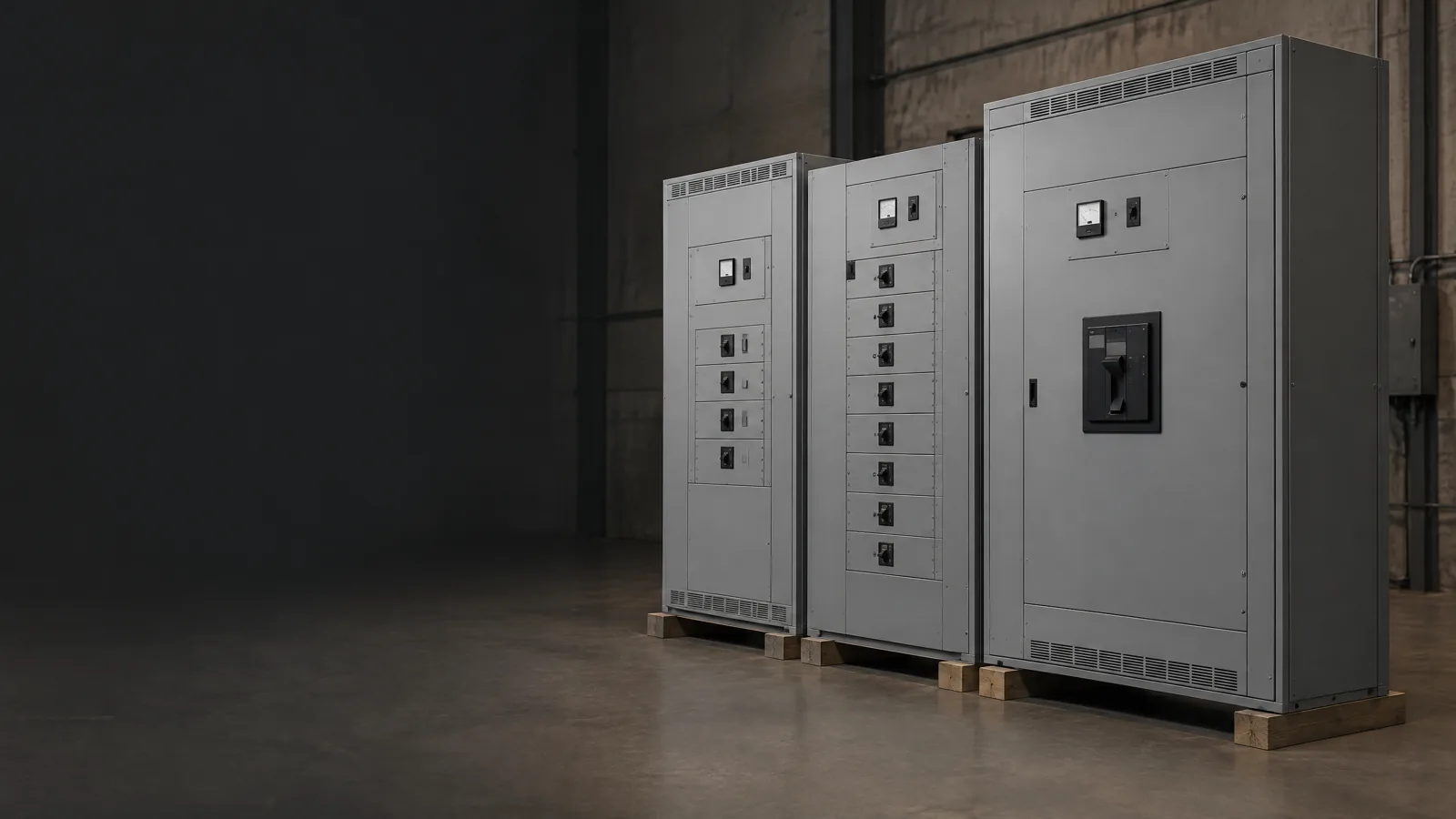
Switchgear Buyers
Surplus Valve Buyer is a Houston-based independent buyer for surplus and reusable used switchgear. If a canceled project, facility upgrade or equipment replacement has left you with gear to sell, contact us to discuss the lot. We also distinguish switchboards, panelboards and loose circuit breakers so your inquiry describes the right asset. Equipment eligibility, purchase terms and handling arrangements are confirmed individually, not assumed from a voltage or brand name.
A buyer for surplus and reusable used gear
Surplus and used describe different situations. Surplus gear may be unused equipment left after a project change, an unneeded spare or excess stock. Used gear has an operating history that matters to its potential reuse. Describe which situation applies rather than calling every item new because it looks clean. If equipment was installed but never commissioned, say so.
We buy equipment from sellers; this page is not a catalog of switchgear available for sale. Bring us an inquiry about a complete lineup, an individual section or a related breaker lot. The review starts with identifying what you own and whether it has a practical reuse opportunity. No category label guarantees an offer.
Switchgear, switchboard or panelboard?
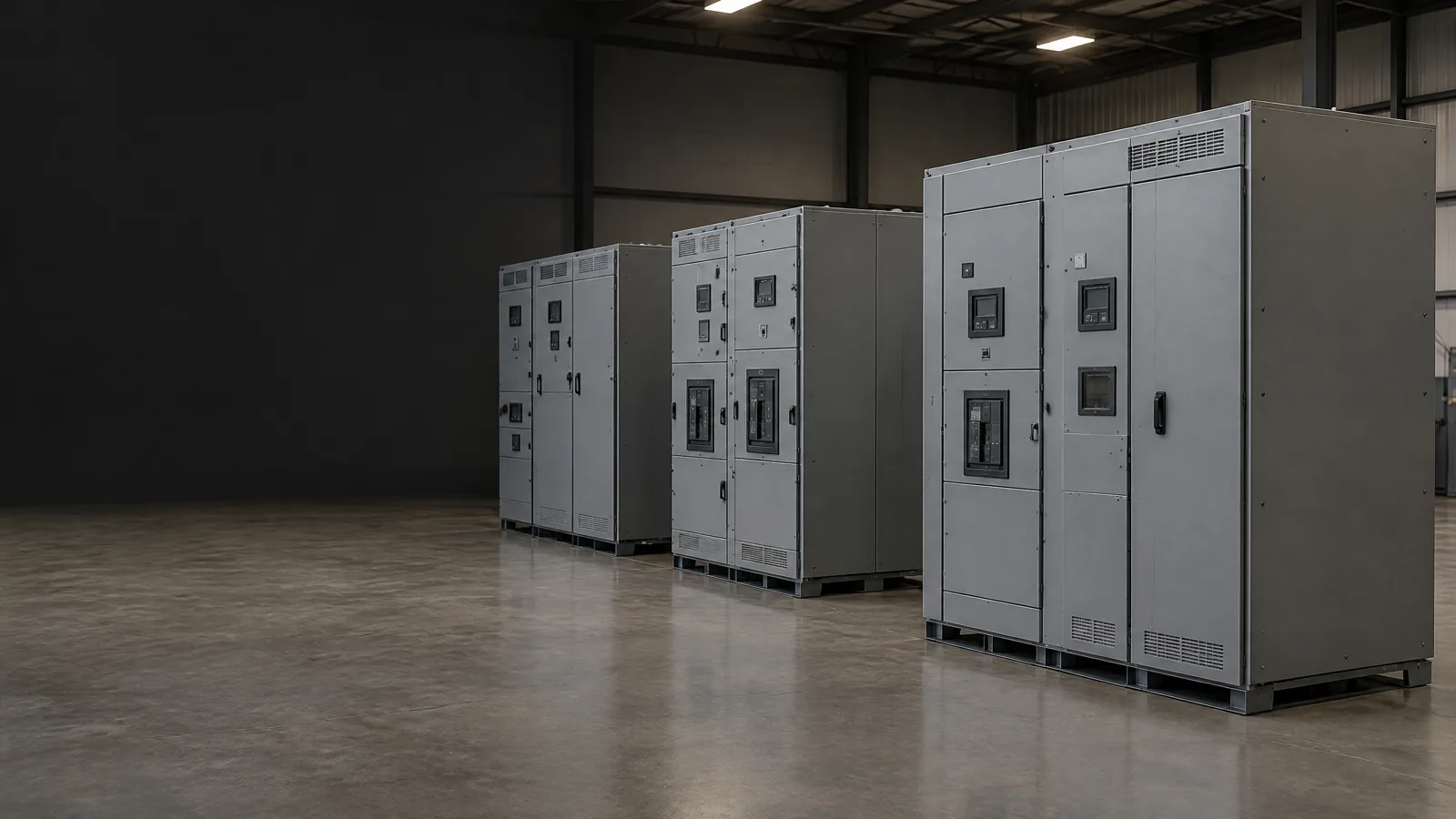
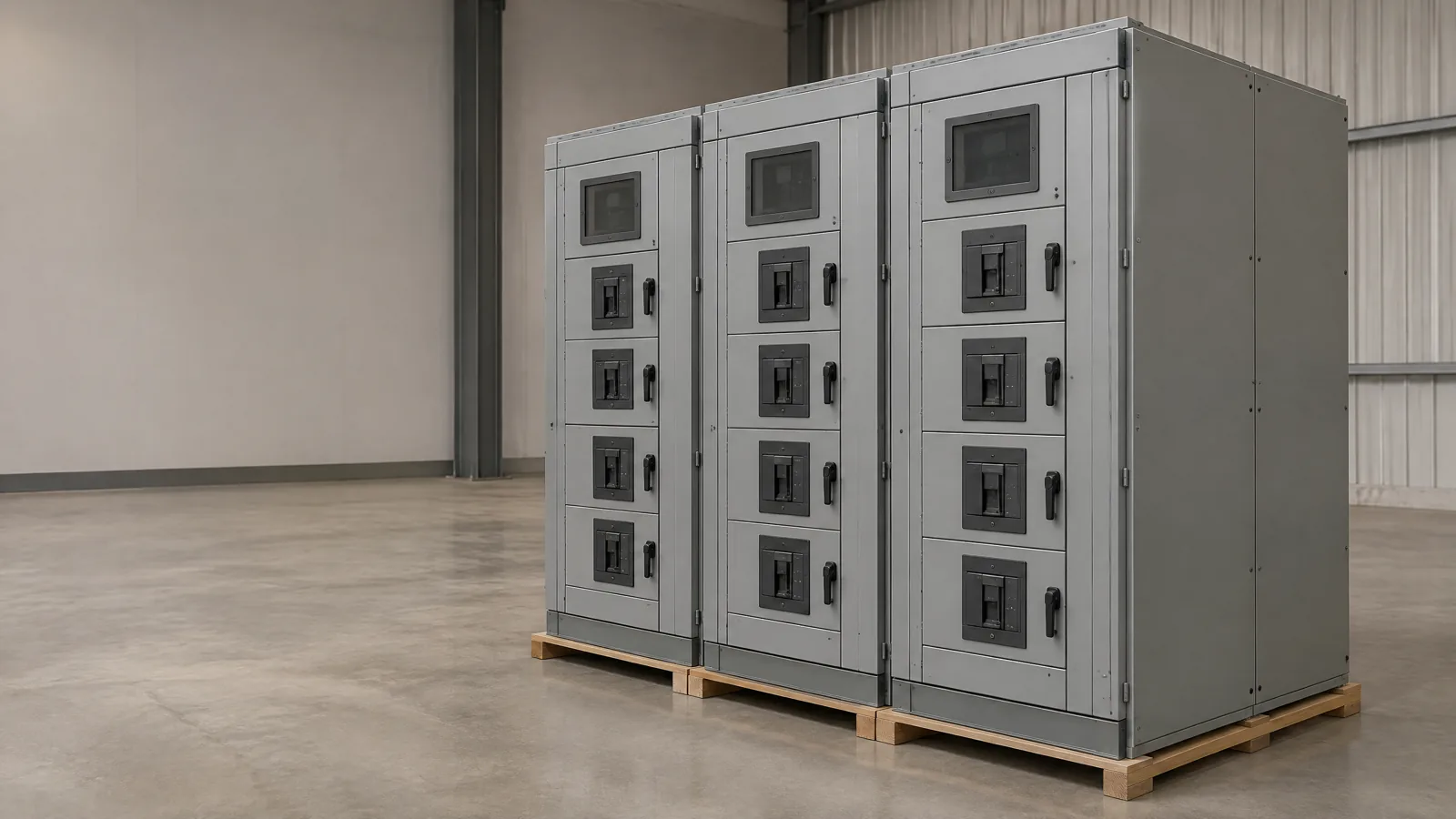
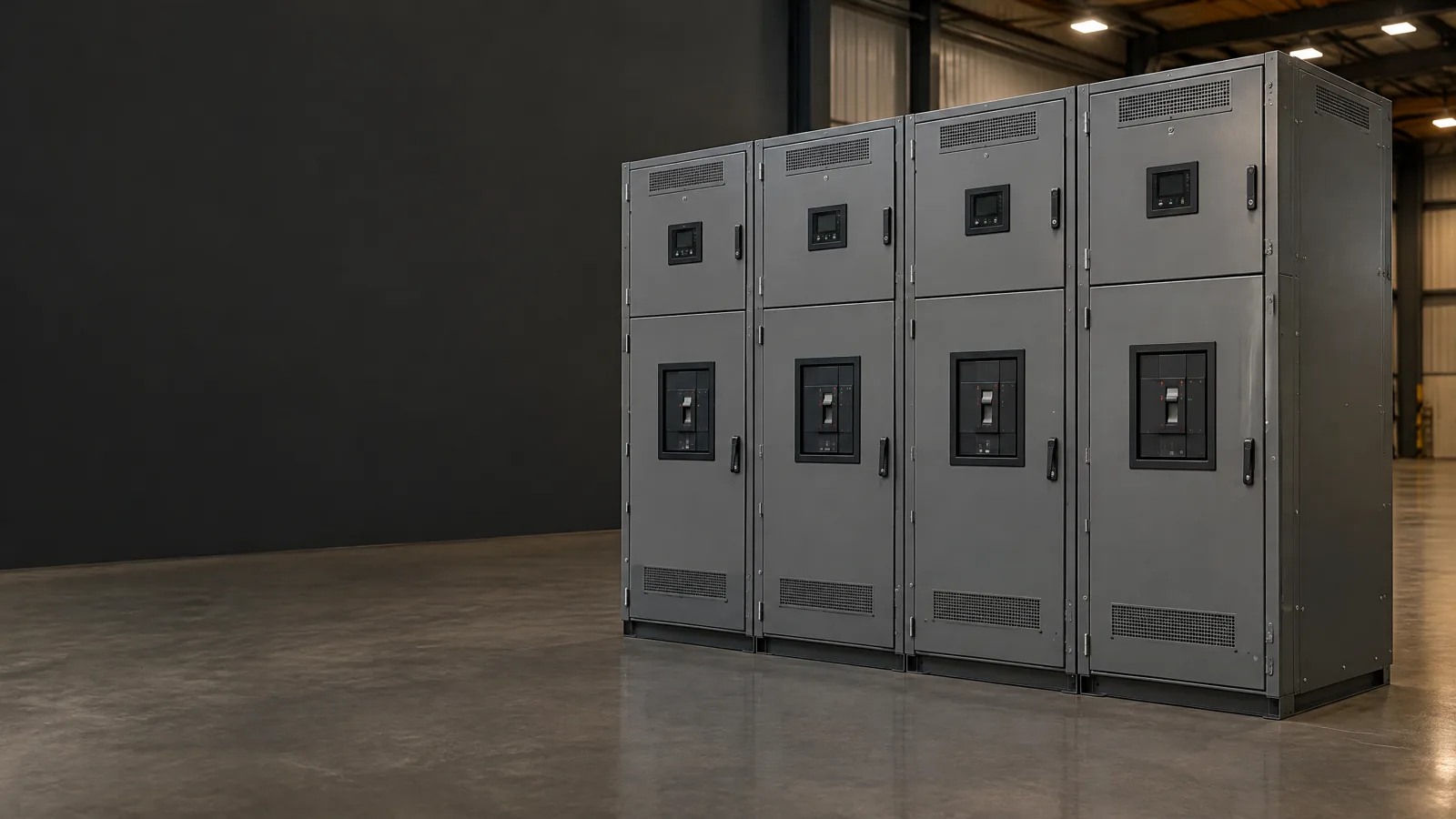
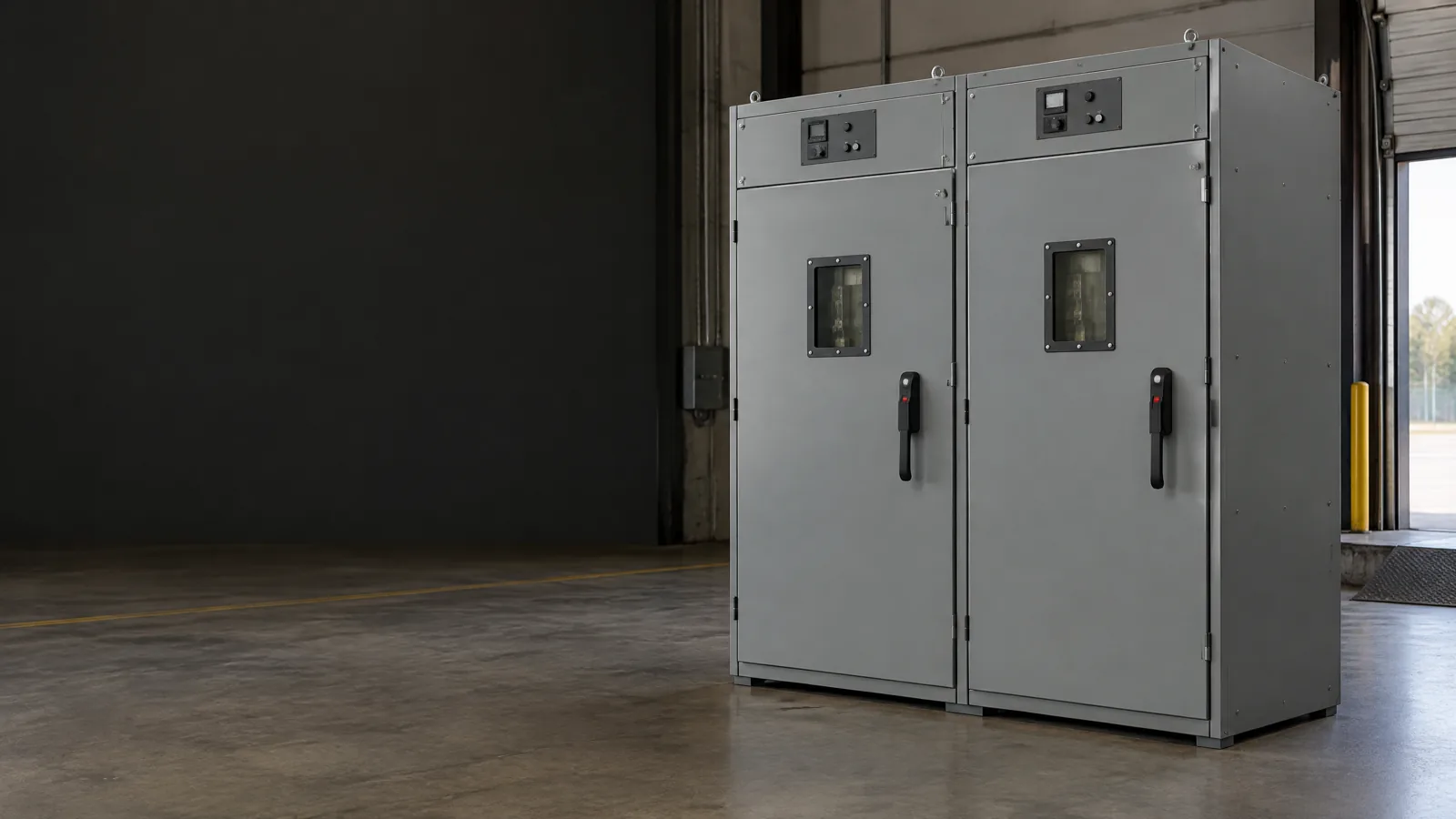
Switchgear is an assembly of switching and circuit-protection devices in metal structures. Several connected structures form a lineup. In low-voltage equipment, UL 1558 power circuit breaker switchgear and UL 891 switchboards are different equipment classes. Switchgear generally uses individually mounted power breakers with internal separation. Switchboards commonly use molded-case or insulated-case breakers, often with group-mounted arrangements.
A panelboard divides an incoming feed into branch circuits and is commonly wall-mounted, either flush or on the surface. Eaton identifies UL 67 as its panelboard standard. Cabinet size, a drawout breaker or a familiar operating voltage alone does not settle the classification. Use the assembly label, model and available drawings when describing the equipment you want to sell.
Complete assemblies and loose breakers are different lots
Tell us whether the sale includes the entire lineup or selected sections. Identify the main, tie and feeder sections where records make that clear. Mention installed breakers and separately stored spares without counting the same device twice. If sections have already been separated, explain whether their connecting parts and original identification remain with them.
A loose breaker is a component, not a switchgear assembly. Its own catalog number, ratings and trip equipment need separate identification. Likewise, an empty panelboard box is not a complete panelboard: the interior and trim are distinct components. A clear boundary around what is included makes it easier to discuss the lot without assuming that missing parts will accompany it.
Report system voltage and assembly voltage separately
The nominal system voltage describes the electrical system where equipment was applied. The assembly's maximum rated voltage describes its rated ceiling, not necessarily its former operating voltage. Eaton gives 15 kV maximum-rated switchgear serving a 13.8 kV system as one common example. Those two numbers can both be correct for the same installation.
For selling purposes, copy the wording from the assembly nameplate and identify the former system voltage separately if known. Do not turn a breaker voltage marking into a rating for the entire lineup. Mention frequency and any documented configuration details rather than guessing them. These are identification examples, not a promise that we accept every voltage class or every possible configuration within it.
Bus amperes are not breaker frame or trip settings
The continuous bus rating describes the current the bus is rated to carry under its specified conditions. A nameplate might identify a 1,200 A or 2,000 A main bus; Eaton's VacClad-W guide includes these as product examples. That figure does not mean every installed feeder breaker has the same current rating.
Breaker frame identification and trip information belong in separate fields. Schneider Electric explains that frame can mean a construction's maximum current rating or a breaker family, while particular electronic trip systems use sensor and rating information to establish current settings. Record the actual markings and available settings records. Do not change a trip setting to make a sale description match a bus rating, or advertise frame amperes as the whole assembly's capacity.
Keep fault-current ratings and BIL distinct
Fault-current ratings use kiloamperes, written kA, rather than ordinary continuous-load amperes. A breaker's interrupting rating concerns the fault current that device can interrupt. An assembly's short-circuit or withstand rating concerns what the assembly can withstand, with the applicable duration and rating basis. Copy the complete label; a bare kA number leaves important information out.
Basic impulse insulation level, or BIL, is a voltage withstand characteristic, not a current rating or normal operating voltage. Eaton's 15 kV VacClad-W assembly table identifies 95 kV peak lightning impulse withstand. For panelboards and switchboards, a series rating can depend on a tested, listed combination of protective devices. Preserve the documentation instead of assigning the highest breaker marking to the entire assembly.
Condition and completeness shape the discussion
An unused lineup stored poorly is not equivalent to protected surplus. A used lineup with records is not equivalent to equipment with an unknown history. Tell us about missing devices, corrosion, water exposure, damaged insulation or known fault events. Separate documented facts from assumptions, including any claim that equipment was previously tested or refurbished.
Existing maintenance records, drawings and removal dates can help describe the asset, but an old report does not establish present readiness for service. Tell us the approximate age, documented maintenance history and any missing components. We review that information alongside the identifiable equipment being offered. Eligibility and terms remain specific to your lot; there is no universal price per cabinet, ampere or manufacturer name.
Start with a simple call or email
Call (951)403-5738 or email industrial832@gmail.com with a short description of what you want to sell. Include the manufacturer and model if known, approximate section count, condition, equipment location and whether it is still installed. Existing inventory lists or safely available nameplate information are useful, but you can make the first inquiry without photos.
Do not open energized equipment, remove barriers or live-test gear to prepare an inquiry. Any inspection requiring access, isolation or decommissioning must be handled by qualified personnel using the site's applicable safety procedures. If ratings are inaccessible, say they are unknown and use existing records. Agree on responsibility for disconnection, rigging and transport before anyone moves the equipment.
Confirm the sale scope before releasing equipment
Before a transaction proceeds, confirm which assemblies, breakers and accessories are included. Discuss known condition issues, ownership authority and any restrictions on site access. Keep equipment identification consistent between your description and the agreed lot so substitutions or missing sections do not create confusion.
Price, payment terms and removal or shipping responsibilities need agreement for the particular purchase. Our Houston base does not imply free freight, a removal crew or acceptance of equipment at every location. Do not ship or dismantle gear on the assumption that an inquiry is an approved purchase. Contact Surplus Valve Buyer to establish whether your surplus switchgear is eligible and what terms apply.