GE and Prolec Transformer Buyers
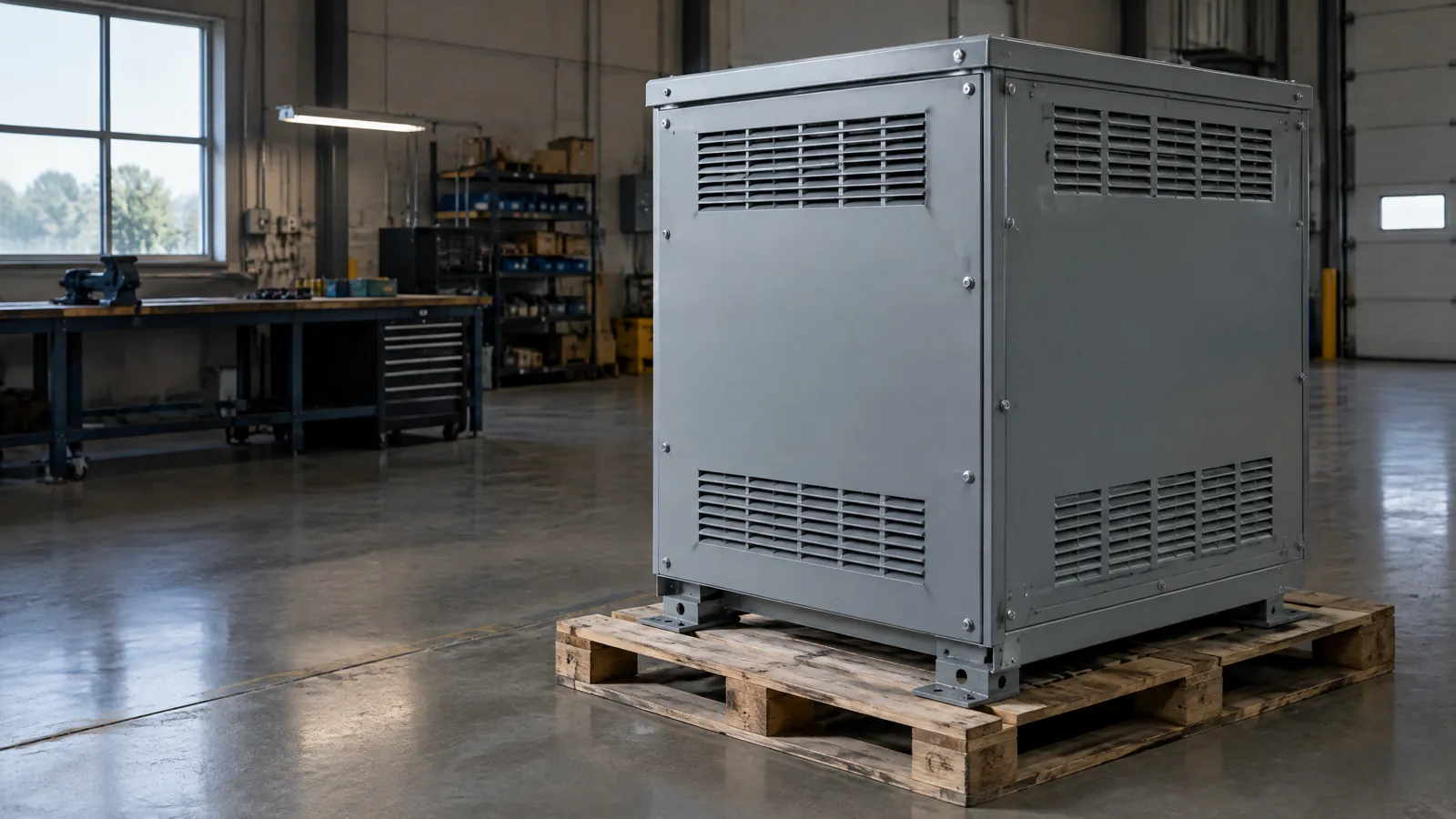
Have a transformer marked GE, General Electric, Prolec or Prolec GE that your facility no longer needs? Surplus Valve Buyer is an independent Houston-based surplus equipment buyer reviewing reusable used transformers and new surplus for potential purchase. Start with the manufacturer name exactly as shown on your equipment, its location and what you know about its condition. You do not need to resolve the brand history before contacting us. A readable nameplate helps distinguish a distribution unit from a substation or generation transformer and keeps the review tied to the equipment you actually own.
Use the name on your transformer, not a newer corporate label
Prolec’s history records the Xignux and General Electric joint venture established in 1995. GE Vernova completed its acquisition of the remaining 50% of Prolec GE on February 2, 2026, and said Prolec GE would go to market as GE Vernova. Older records and current manufacturer materials may therefore use different names.
Preserve the original plate wording rather than renaming equipment after an ownership change. Surplus Valve Buyer is not affiliated with, authorized by or acting for these manufacturers.
Keep legacy GE units and mixed lots individually identified
GE branding alone does not identify a transformer’s manufacturing history. Send the full plate wording, serial number and existing catalog or drawing numbers. If an asset list says Prolec but the plate says General Electric, include both.
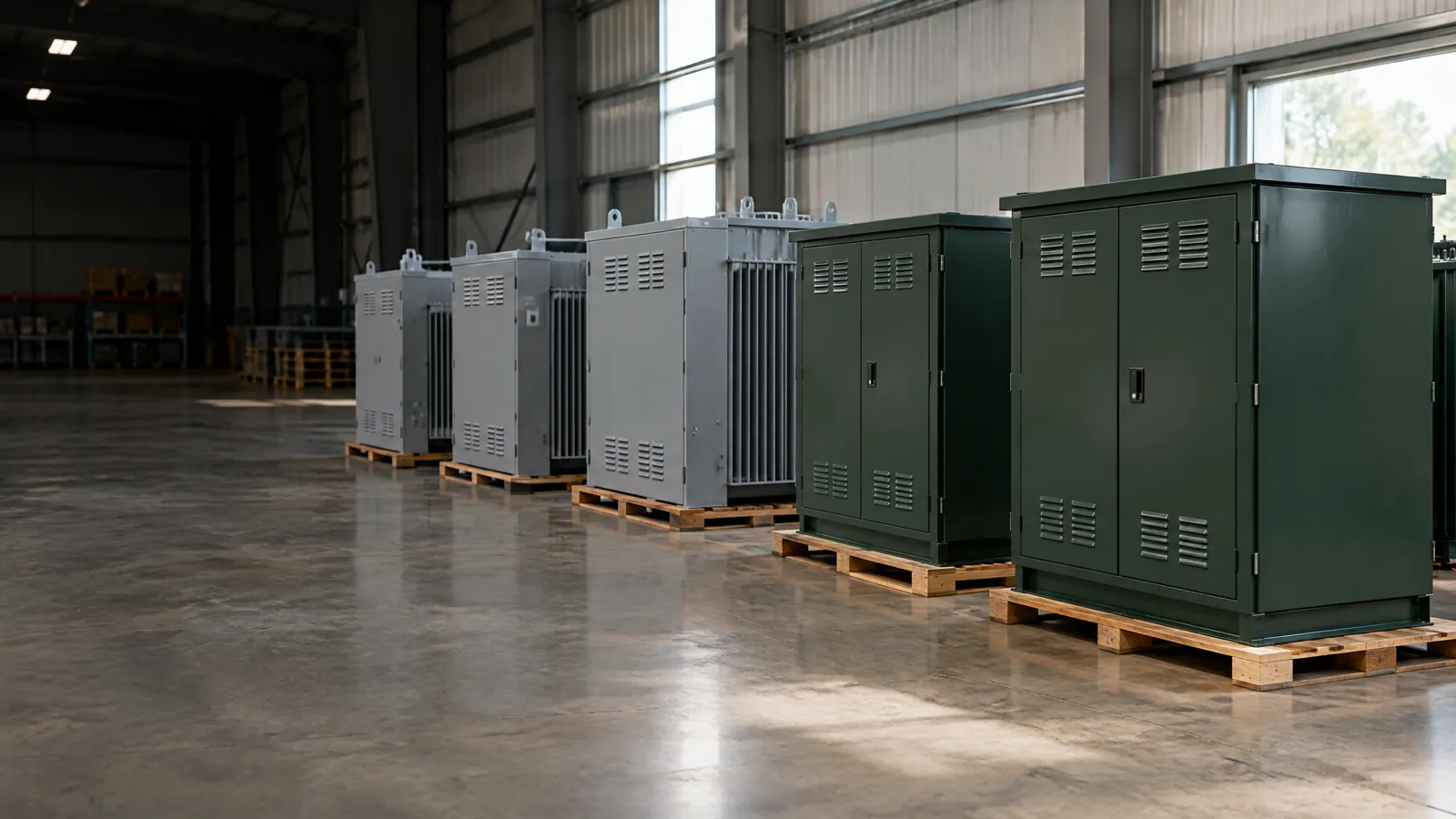
Give each unit in a mixed lot its own reference and matching documents. A representative photograph does not establish every unit’s ratings, fluid or condition. Flag unreadable plates and uncertain identities early.
Identify single-phase and three-phase pad-mounted equipment separately
Prolec publishes separate single-phase and three-phase pad-mounted distribution families. As manufacturer examples, its single-phase page lists 15–167 kVA ratings and high voltage up to 34.5 kV. Its three-phase page lists ratings up to 5,000 kVA. These are product-family examples, not purchase limits or a promise that every rating and voltage combination is available or acceptable.
Submit the actual phase, kVA, primary voltage and secondary voltage shown on your unit. Include existing drawings that identify winding connections and feed configuration. A similar cabinet appearance does not substitute for those details, especially when comparing multiple transformers from a retired distribution project.
Separate secondary substations from generator step-up assets
Prolec’s secondary substation family includes examples up to 15 MVA and high voltage up to 69 kV, with tailor-made close-coupled configurations. Existing dimensional drawings and connection arrangements deserve attention alongside the rating.
Generator step-up transformers raise generator voltage for transmission. Prolec separately identifies station-service and unit-auxiliary equipment. Specify the original application rather than calling every large unit a substation transformer. Manufacturer examples do not establish that we will purchase or move a particular asset.
Explain the project behind renewable transformer surplus
Prolec identifies dedicated pad-mounted applications for solar, wind and battery storage. If your surplus came from a canceled project, repowering program or retained spare package, describe that application and supply the original specification when available. Do not assume a renewable step-up unit is interchangeable with a commercial distribution transformer.
For never-installed equipment, note whether it remained in its original shipping condition and whether project-specific accessories are present. Preserve the relationship between each serial number and its project documents. That context helps distinguish unused stock from equipment with an unknown service history.
Describe reusable used equipment and new surplus honestly
A used transformer removed during an upgrade can be submitted for review, as can an unused spare or excess project purchase. State whether it was operating when removed, why it became surplus and how it has been stored. If it tripped, leaked, sustained damage or has an uncertain history, disclose that rather than describing it as ready for service.
For new surplus, provide purchase or factory records you hold and explain any extended storage. Unused does not mean recently manufactured, tested after storage or covered by a transferable warranty. Purchase interest depends on the specific unit and documented condition.
Match test reports to the serial number
Prolec’s pad-mounted product pages state that factory test reports are available by transformer serial number. Their listed routine tests include ratio, resistance, losses, impedance and polarity or phase relation. An existing report matched to the plate is more useful than a generic family brochure.
Share factory reports, later electrical assessments and fluid analyses already available. Include dates so the review can distinguish original manufacturing evidence from later condition information. A factory report is not proof of present condition after years of operation or storage. Do not arrange electrical testing yourself solely to complete an initial inquiry.
Keep fluid identity and PCB status documented
Prolec’s distribution pages describe mineral oil and natural ester options, including VG-100. Those product descriptions do not identify the fluid currently inside your transformer. Supply existing fluid labels, service records and laboratory results; note any documented fluid replacement.
EPA rules in 40 CFR Part 761 address PCB concentration, use and distribution in commerce. Section 761.2 provides specific assumptions when information is missing and describes evidence used to establish concentration. We do not infer PCB-free status from age, brand or appearance. Fluid eligibility is reviewed case by case. Unknown or regulated PCB status requires appropriate environmental review before any sale or movement proceeds.
Keep access safe and discuss movement before committing
Use safely available records and photographs. Do not open energized compartments, disconnect equipment, drain fluid or strip components for an inquiry. Qualified personnel must handle electrical work. OSHA rules address deenergization verification and lockout or tagging; equipment described as off is not automatically safe to access.
State whether the transformer remains installed. Existing weight and dimensions, site restrictions and release timing help frame movement discussions. Rigging, loading, freight responsibilities and costs must be agreed separately; submission does not guarantee pickup.
Start with a short purchase-review message
Begin with the plate brand, city, quantity and used or new surplus status. If safe photos are unavailable, say so. Identification, condition records and ownership information can follow.
Contact Surplus Valve Buyer at (951) 403-5738 or industrial832@gmail.com. Explain your release date and what is included. Review precedes discussion of possible terms. Submission is not an offer, acceptance decision or removal commitment.