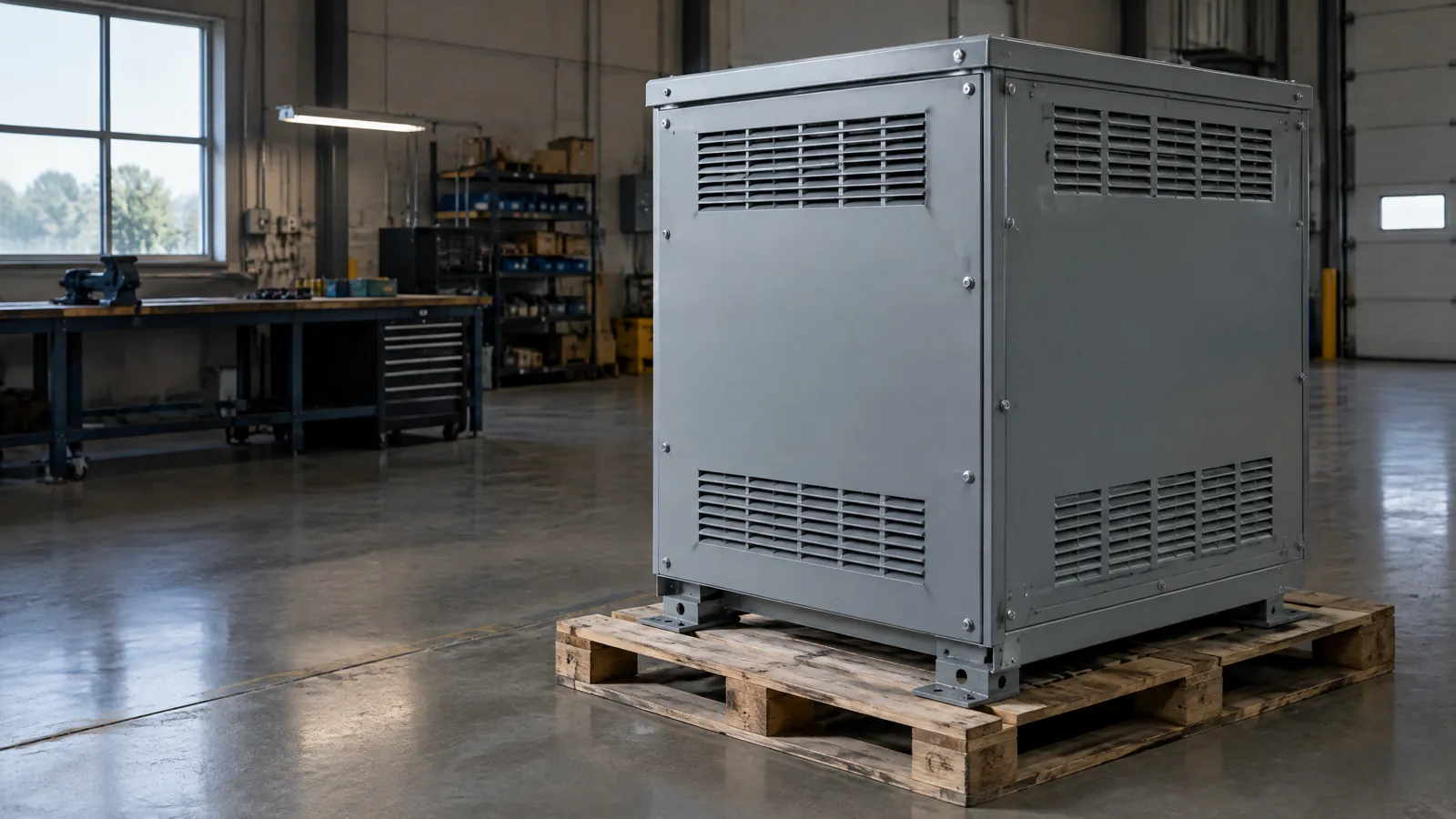
Autotransformer Buyers
Have an unused autotransformer, a removed voltage-matching unit, or leftover buck-boost inventory? Surplus Valve Buyer reviews reusable used and new-surplus transformers for potential purchase. Start with a short message describing what you have, the quantity and its location. Photos are optional for the first contact; identification details can follow. Autotransformers need careful description because a shared winding, a factory kVA marking and a former application rating can tell different stories. We focus on the equipment offered for sale, not instructions for connecting it. Each submission receives an individual review rather than automatic acceptance by type or brand.
Describe the equipment you want to sell
Tell us whether the equipment is unused surplus, a warehouse spare or a previously installed unit. Include the manufacturer, catalog number, quantity and storage location if known. Do not guess the winding arrangement from its cabinet appearance.
A removed distribution autotransformer and a boxed buck-boost unit should not be described as interchangeable inventory. Mark uncertain details as unknown. An inquiry does not commit you to removal, shipment or a sale.
A shared winding means no galvanic isolation
An autotransformer shares a winding section between its input and output. Those circuits have an electrical connection, so the unit does not provide galvanic isolation: electrical separation between the supply and load. Schneider Electric distinguishes this from an isolation transformer with electrically separate primary and secondary windings.
This distinction matters when presenting surplus for purchase. A voltage change alone does not prove isolation, and an autotransformer should not be offered as an isolation transformer. Existing nameplate information, manufacturer literature or equipment records can help establish the correct category without opening equipment or performing an electrical test for the inquiry.
Separate buck-boost units from larger distribution equipment
Hammond Power Solutions explains that its buck-boost units are manufactured with separate windings. They function as autotransformers when those windings are electrically interconnected for voltage correction. That construction does not make every buck-boost unit a factory-connected autotransformer.
Purpose-built distribution autotransformers are another category. Rex Power Magnetics gives a 150 kVA, 600 V to 480 V example on its autotransformer product page. This is a manufacturer example, not an acceptance promise. Identify a complete distribution unit separately from individual buck-boost components, and describe any known original application without suggesting that the buyer can reuse the former arrangement.
Keep unit kVA and connected load kVA separate
For buck-boost equipment, the factory winding rating can be much smaller than the load capacity in a specific autotransformer application. HPS gives a worked example of a 1 kVA unit used for 208-to-230 V single-phase duty with a stated 9.58 kVA connected rating. That example depends on its particular application; it is not a universal multiplier.
Rex, by contrast, states that its purpose-built autotransformer nameplate kVA represents output load capacity. Send the actual nameplate rating and identify any separate application rating as such. Do not replace a factory rating with a remembered load size or add component ratings to create an unsupported bank capacity.
Copy voltage markings without translating them
Record voltage text exactly as shown, including slashes, multiplication signs and any input or output labels. HPS lists 120/240 V primary and 12/24 V secondary winding markings in its buck-boost literature. Those are manufacturer examples of winding ratings, not a statement that every such unit supplies the same connected output voltage.
If the former system voltage differs from the factory marking, report both with clear labels. Also include the marked frequency and phase when available. A supplier carton, handwritten application tag and permanent nameplate may describe different aspects of the equipment; preserve that distinction rather than combining them into one assumed specification.
Identify individual units and complete banks
A three-phase buck-boost application may use multiple single-phase units. HPS publishes arrangements using two or three units. This is identification context, not a connection recommendation. Report the physical unit count and whether units were removed together.
Provide each catalog number and disclose missing members or replacements. Similar cabinets do not establish a complete bank. If the equipment served motor starting rather than continuous voltage matching, identify that original purpose separately.
Condition and records help explain reuse potential
Explain why used equipment was removed and whether its condition is known. Disclose reported overheating, water exposure, damaged insulation or missing enclosure parts. Distinguish unopened surplus from unpacked equipment or units mounted but never energized. Unused does not mean undamaged.
Existing purchase records and dated test reports help establish identity and history. Supply available records rather than commissioning a test for an inquiry. Rex's guidance emphasizes moisture protection, so describe storage conditions too.
Keep sales inquiries separate from electrical work
Do not energize, reconnect or open energized equipment to demonstrate it for sale. A visible exterior label or an existing document may be enough to begin identification. If obtaining further information would expose electrical parts, stop and leave that work to qualified personnel following the site's safety procedures.
OSHA's electrical work-practice standard addresses deenergizing, lockout/tagging and qualified verification before equipment is treated as deenergized. Calling a transformer surplus does not establish that it is safe to access. Electrical testing, disconnection and removal require appropriate qualified personnel, not instructions from a buyer page.
Disclose fluid and PCB documentation when applicable
If your autotransformer contains dielectric fluid, disclose the fluid type if known, any leakage and available PCB documentation. Fluid-containing equipment eligibility is reviewed case by case. Do not drain fluid or strip equipment to prepare a submission.
EPA's PCB rules include concentration assumptions and methods for establishing concentration. Testing or manufacturer documentation supported by service-fluid records can be relevant. We do not infer PCB status from age alone or treat an undocumented unit as PCB-free. An unknown fluid history should remain identified as unknown until the appropriate evidence is available.
Discuss the inventory before planning a transfer
Contact Surplus Valve Buyer before shipping or moving equipment solely for a potential sale. Share its quantity, location and whether units remain installed or are packaged. Existing documented dimensions and weights are useful.
Our independent Houston-based purchase review considers identity, condition and transfer details. Any potential price, inspection requirement and transportation responsibility must be discussed individually. Manufacturer names identify technical examples only; Surplus Valve Buyer claims no manufacturer affiliation or authorization.