Project Surplus Transformer Buyers
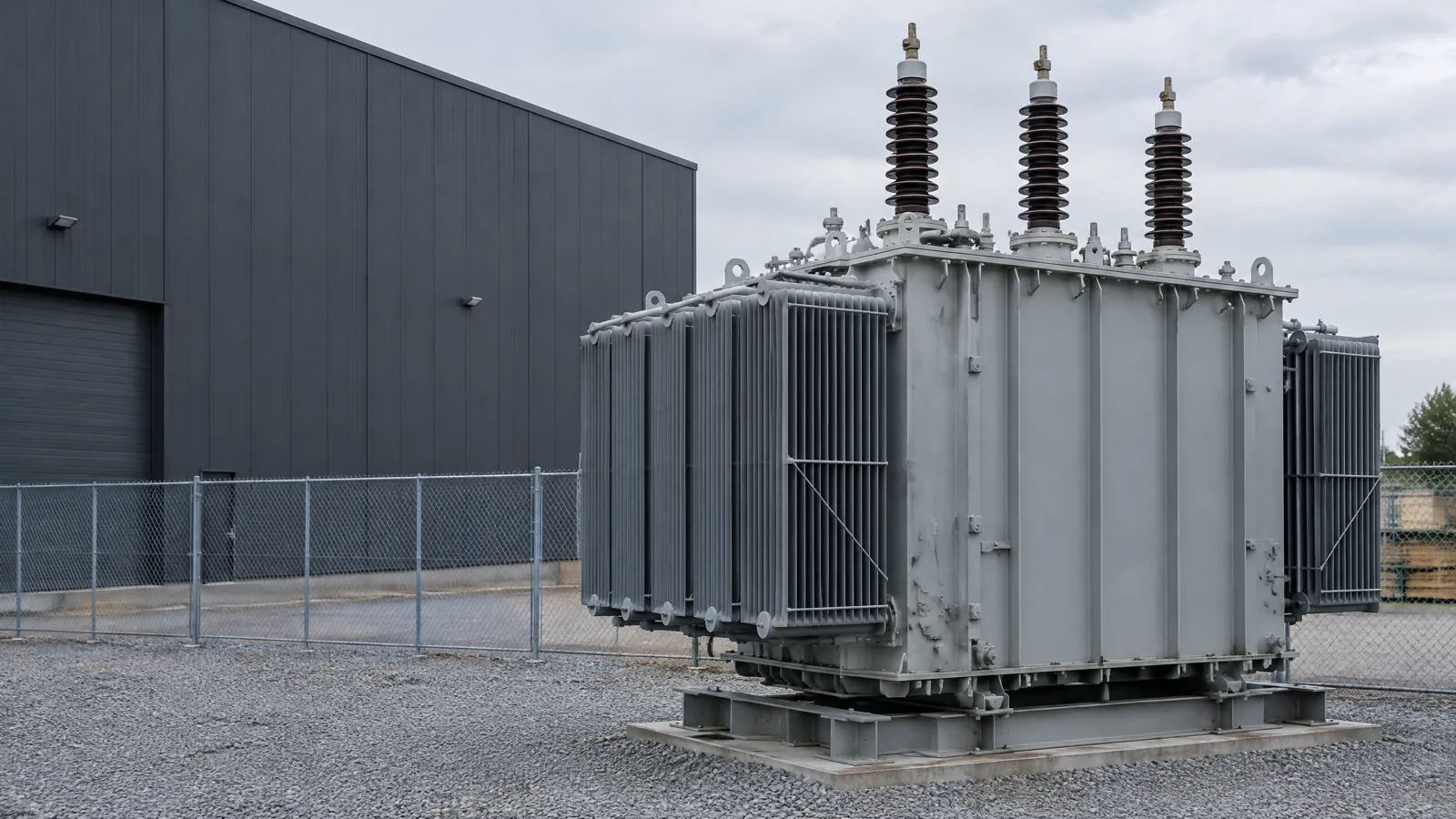
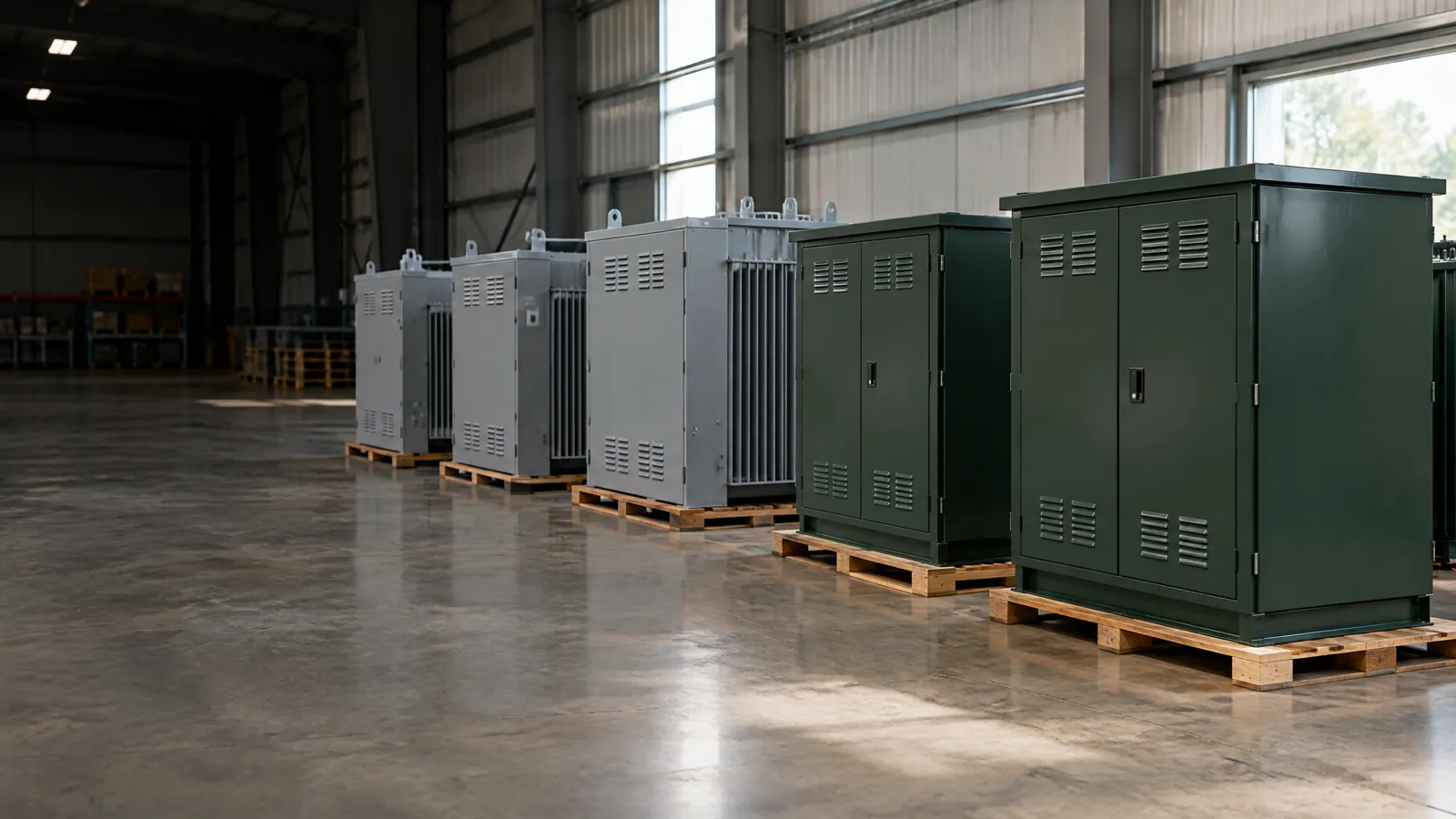
A canceled building, revised industrial expansion or changed renewable project can leave a transformer without its intended job. Surplus Valve Buyer provides independent, Houston-based purchase review for new surplus and reusable used transformers. Start with what is available, where it is located and when the owner can release it. A design mismatch is not the same as equipment failure, but the actual configuration still determines whether another application may be realistic. You do not need a complete procurement package to make the first inquiry; unresolved ownership, condition and access details can be identified before any sale is agreed.
Explain what changed on the project
Tell us whether construction was canceled, a phase was reduced or the electrical design changed. Distinguish a transformer deleted from the scope from one replaced because of damage or an unsuccessful test. If the project is only delayed, confirm whether the unit is genuinely surplus or still reserved for future work.
Separate the decision deadline from the requested removal date. Storage charges or construction milestones can affect your options, but urgency does not guarantee an offer. Share deadlines before discussing terms.
Release committed equipment before promising a sale
Establish who owns the equipment and who can approve its sale. For units held at a supplier, confirm completion, payment and release status. A purchase order alone does not establish transfer authority; an unfinished manufacturing commitment differs from a finished transformer ready to move.
Check restrictions with your procurement or legal team, including retained title, financing and project-owner approvals. Describe any return negotiation still underway. Do not schedule collection until the parties controlling release have agreed.
Match the delivered unit to the latest drawings
Use the actual nameplate and final approved drawings rather than copying an early bid schedule. Schneider Electric's dry-type guidance calls for comparing nameplate kVA and primary and secondary voltages with building drawings. That same comparison helps explain a surplus unit whose ordered configuration no longer matches the revised project.
For a supported example, Eaton's general-purpose design guide includes a three-phase 112.5 kVA dry-type configuration with 480 V delta primary and 208Y/120 V secondary. This is an identification example, not an acceptance promise. Report your unit's own ratings, phase, frequency and connection diagram without assuming they match.
Keep renewable-project configurations distinct
A transformer ordered for a solar or energy-storage project may have features tailored to its original inverter arrangement. Eaton describes Envirotran designs with specific loading profiles, impedance requirements and single or multiple inverter connections, including three- and four-winding options. A shared kVA rating does not establish interchangeability.
Send the approved winding diagram and any revised inverter requirements that explain the mismatch. For wind-project equipment, identify its stated function: Eaton documents generator step-up and grounding transformers as separate designs. Do not describe a grounding transformer as a spare power transformer simply because both came from the same project.
Keep procurement records tied to serial numbers
Useful records include the purchase description, approved submittal, final outline drawing, factory test report and receiving paperwork. Match documents to the actual serial number, especially when the order included several similar units or later revisions. An undelivered accessory or changed winding specification should not disappear inside a general statement that the order is complete.
Give each transformer its own record with condition, location and available date. Separate units allocated to active work. Redact unrelated commercial information while keeping identification legible.
Describe storage and commissioning honestly
State whether the transformer remains packaged, was uncrated, was positioned on site or was ever energized. If it served temporary construction loads, disclose that use rather than calling it unused. Note visible damage, missing parts, water exposure and any known electrical problems. Original packaging alone does not establish present condition.
Provide existing inspection and test records when available, and distinguish factory tests from later site tests. Further assessment may be needed for purchase review. Qualified personnel should handle electrical testing; do not energize surplus equipment just to support an inquiry.
Resolve fluid documentation without altering the unit
For liquid-filled equipment, disclose the recorded fluid type, known leaks, service history and available PCB documentation. Fluid eligibility is reviewed case by case. EPA's rules in 40 CFR Part 761 address PCB concentration, use and distribution in commerce; a routine equipment sale cannot replace environmental review where status is unresolved.
Do not infer actual PCB concentration from age alone. The rules recognize testing or specified manufacturer documentation combined with servicing records as ways to establish concentration. Do not drain, strip or change the fluid to prepare a sale. Have qualified environmental personnel resolve missing or conflicting evidence.
Separate safe access from commercial availability
A canceled project does not prove that equipment is electrically isolated. Say whether the transformer is stored, connected or awaiting removal, and identify the site contact responsible for electrical safety. Qualified personnel must handle electrical work under applicable requirements. OSHA requires proper work practices and verification of deenergized condition; equipment merely described as switched off is not sufficient.
Do not open locked cabinets, remove panels or enter restricted areas for photographs. Existing drawings and accessible records can support an initial conversation without creating an electrical exposure.
Make the release location part of the review
Explain whether collection would be from a supplier yard, warehouse or construction site. Provide documented shipping dimensions and weight, gate restrictions, available collection windows and the site representative's contact details. Do not estimate handling requirements from kVA alone. Eaton cautions that catalog dimensions and weights are reference values; obtain unit-specific information.
Loading, rigging, transport and any electrical removal need defined responsibilities before collection is booked. Describe what the seller can provide, but leave handling methods to qualified contractors. Purchase review does not promise pickup capacity, freight coverage or a particular removal date.
Compare return, redeployment and sale
Before releasing a reusable transformer, compare any supplier return option with a confirmed internal need and a potential sale. Use written costs: return deductions, storage, inspection, removal and transport can change net recovery.
If a purchase proposal follows, clarify the units, exclusions, inspection conditions, payment timing and logistics responsibilities in writing. Exclude reserved units. Contact Surplus Valve Buyer with the equipment description and release status.