Switchboard Buyers
Have a switchboard left over from a canceled project, electrical upgrade or facility closure? Surplus Valve Buyer is a Houston-based independent surplus buyer. We buy electrical distribution assemblies through lot-specific agreements, rather than treating every cabinet as interchangeable equipment. Tell us whether you have a complete lineup, a main section or separated distribution sections. The manufacturer, assembly identification and condition help establish what you are selling. Call (951)403-5738 or email industrial832@gmail.com to discuss your switchboard.
Sell the distribution assembly, not just its breakers
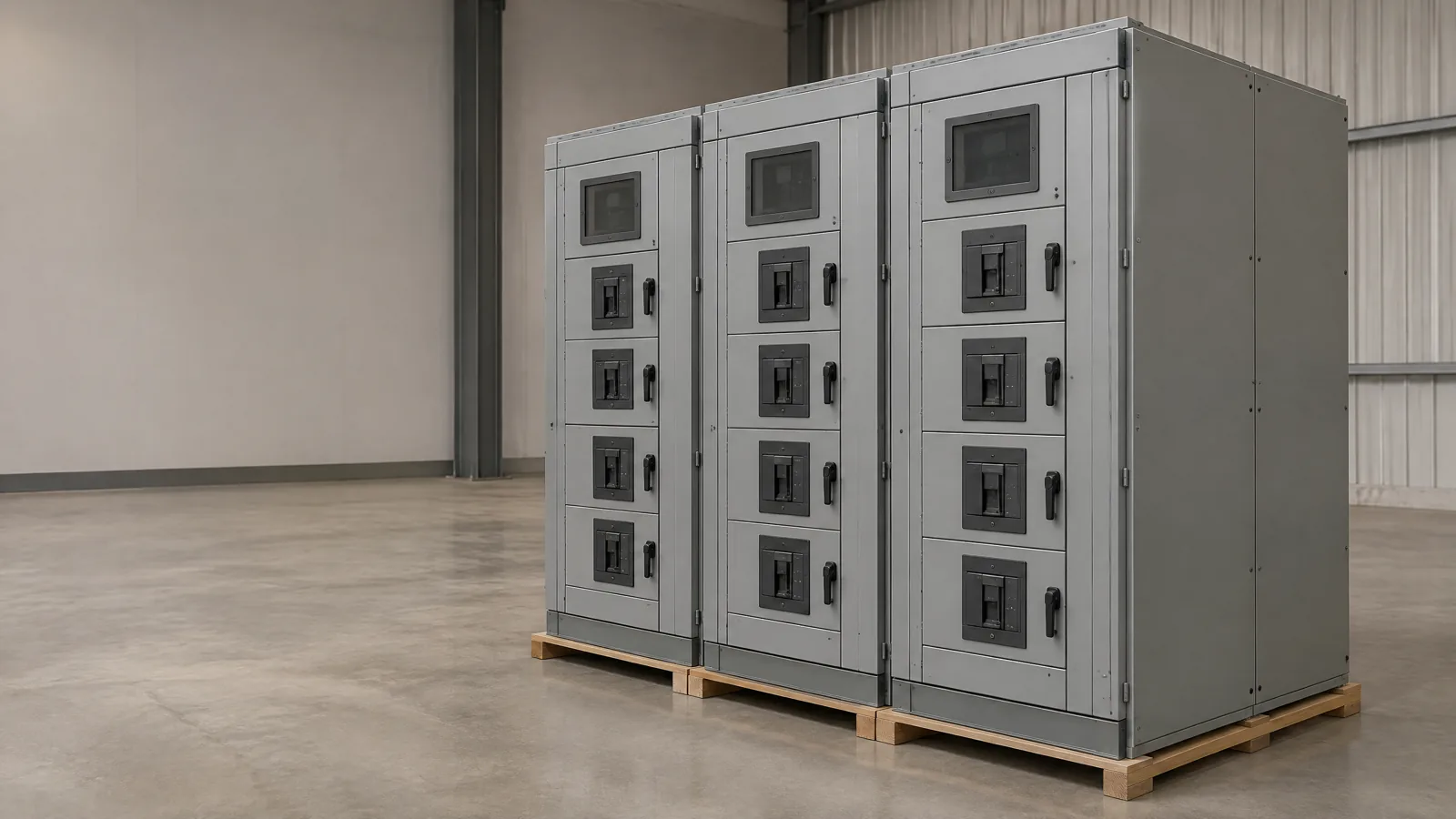
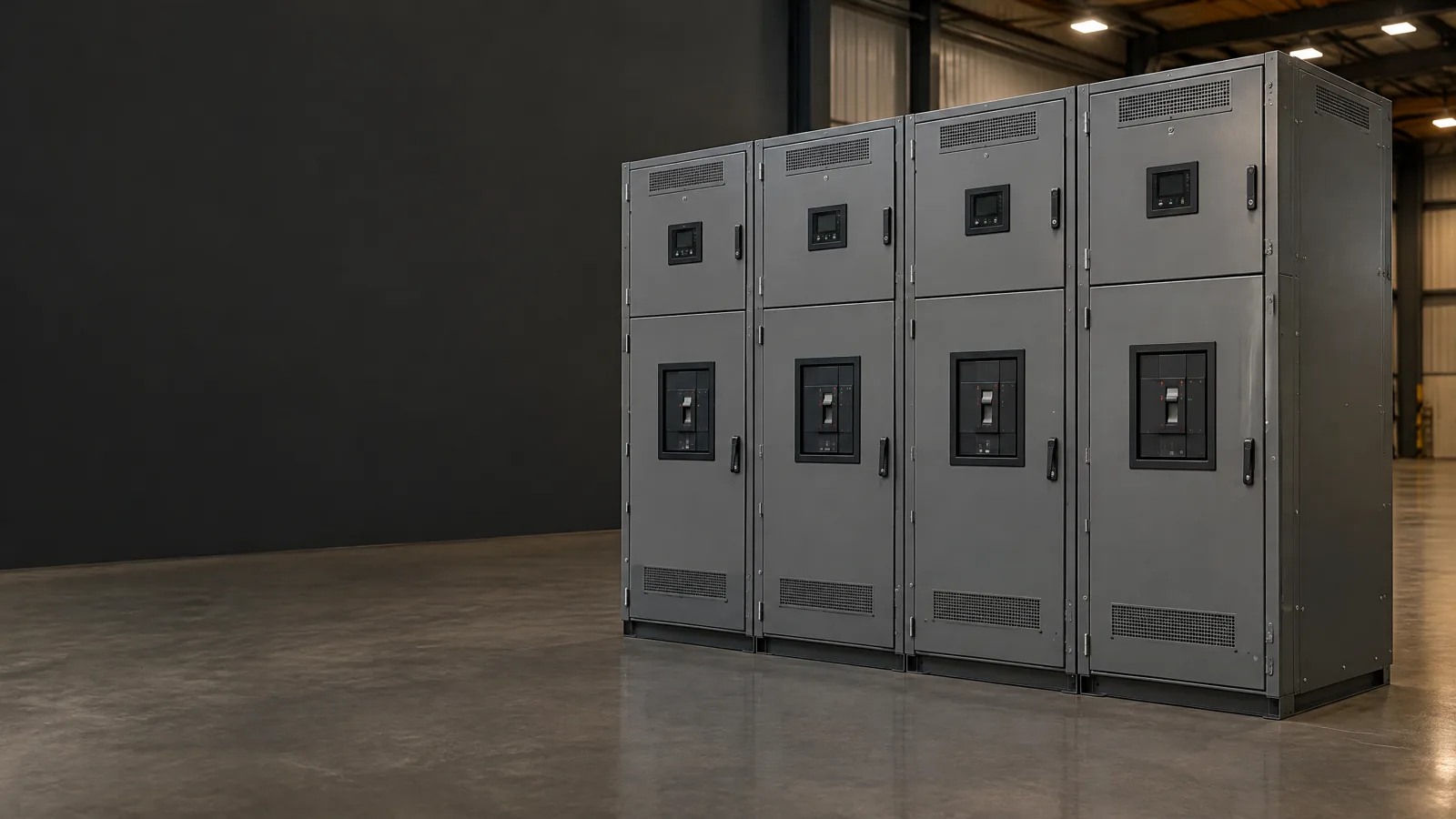
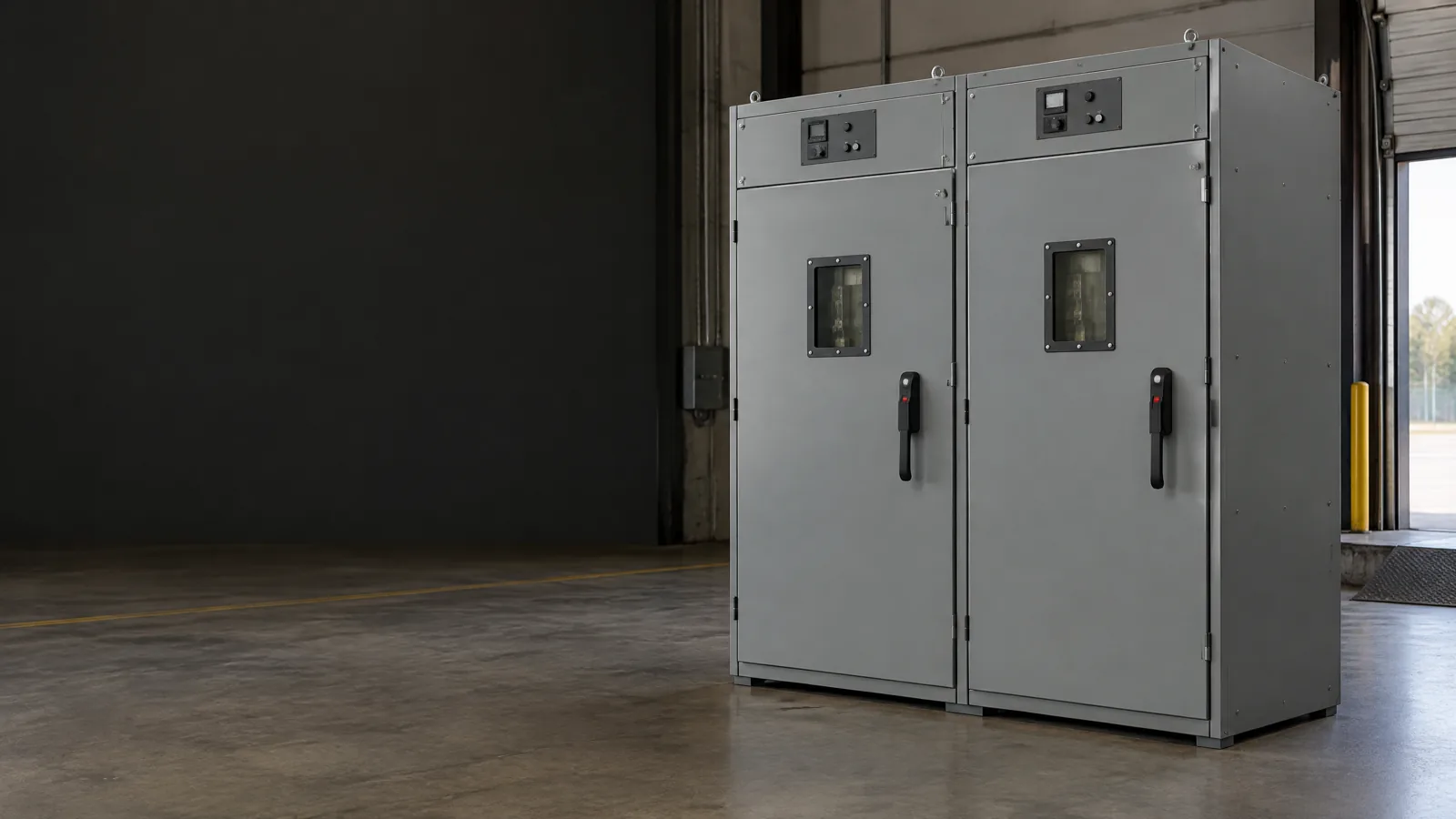
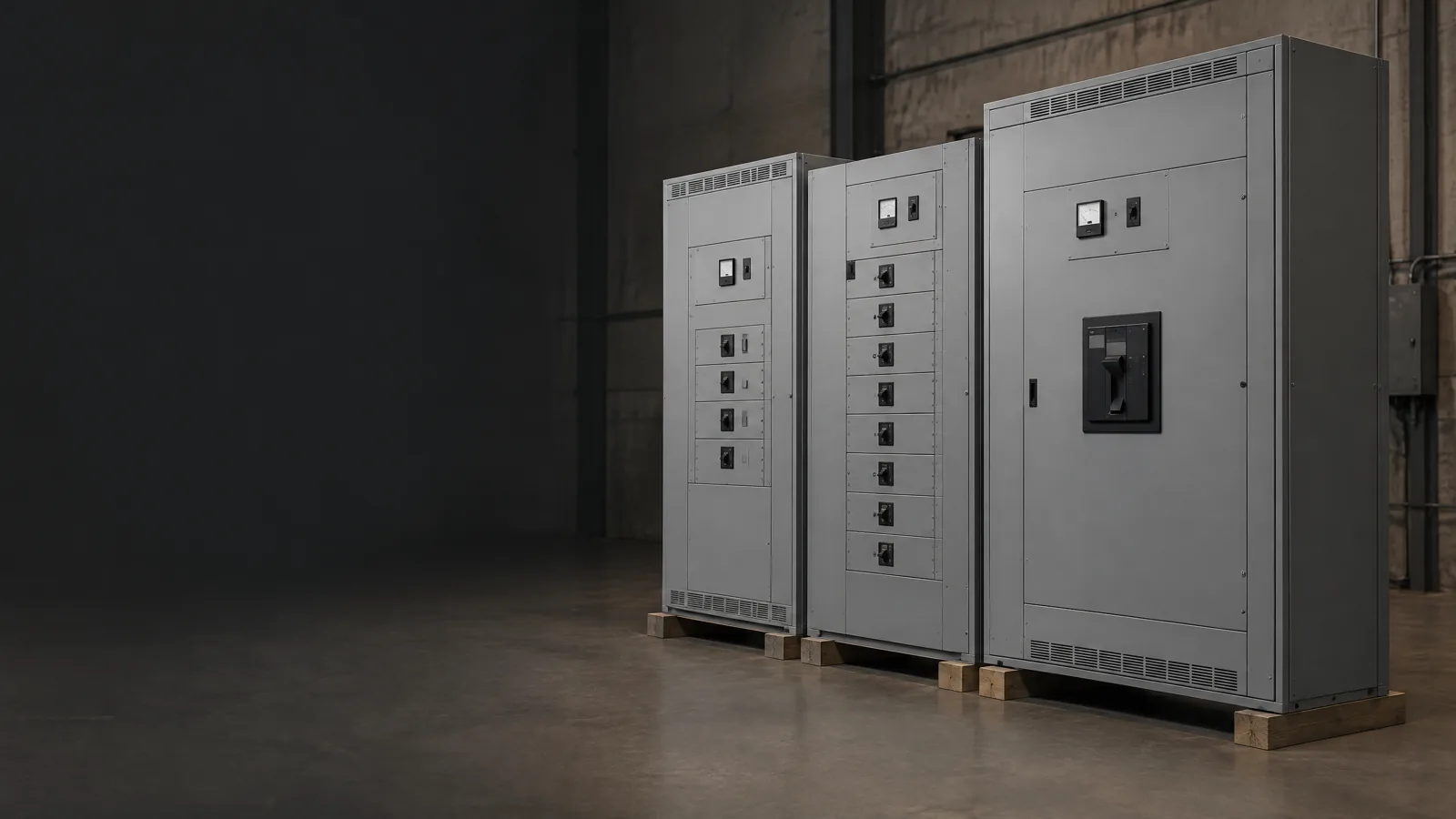
A switchboard distributes an incoming electrical supply through protective devices in a common assembly. Its frame, bus, main equipment and feeder sections belong in the sale description. A cabinet full of breakers is not enough information to identify the complete board. Explain which sections remain together and which parts have already been removed.
Before parting out a lineup, discuss the assembly as it stands. Preserve section identifiers, exterior covers and any retained connection hardware. If the equipment has been separated, identify the original section order where records allow. This helps distinguish a complete distribution assembly from a partial lot that needs additional components.
Check UL 891 versus UL 1558 identification
The terms switchboard and switchgear are often mixed together in surplus descriptions. Eaton identifies UL 891 with switchboards and UL 1558 with metal-enclosed low-voltage power circuit breaker switchgear. These are different assembly standards, not two names for the same rating. Use the actual equipment label instead of selecting a category by cabinet size.
Switchboards commonly contain molded-case or insulated-case circuit breakers. Drawout equipment alone does not establish that a lineup is UL 1558 switchgear; switchboard designs can also provide drawout devices. Include the listed assembly type, manufacturer and model when available. If the label is missing, say so rather than assigning a standard from appearance.
Identify the system voltage and assembly rating separately
Copy voltage markings exactly, including phase and wire information. Schneider Electric's Canadian QED-2 page lists system examples of 208Y/120 V, 480Y/277 V and 600Y/347 V. Eaton's Pow-R-Line C guide separately lists 240, 480 and 600 Vac ratings. These references help interpret seller descriptions; they do not establish every possible configuration or acceptance criterion.
The nominal system voltage describes the supply arrangement. The maximum assembly voltage rating is a separate equipment limit. A 600 V assembly marking does not prove the board previously served a 600 V system. Keep both facts when documented, and do not shorten a slash-rated voltage in a way that loses its meaning.
Separate continuous bus amps from breaker frame and trip
Bus amperage, main device amperage and feeder breaker ratings describe different parts of a switchboard. Report the continuous bus rating from the assembly records instead of adding up the feeder handles. Eaton describes typical switchboard bussing up to 6000 A, while its equipment guides distinguish mains and feeder devices by their own ratings.
For each significant breaker, preserve the frame designation and trip rating as separate entries when identified. For example, paperwork showing an 800 A frame and a 600 A trip should not become a claim that the entire assembly has an 800 A bus. Manufacturer ranges are context, not a promise that every voltage and amperage combination exists.
Keep switchboard SCCR distinct from breaker interrupting ratings
A switchboard's short-circuit current rating, or SCCR, concerns the assembly. A breaker interrupting rating concerns that protective device's ability to interrupt fault current at a stated voltage. Neither is the continuous bus ampere rating. Record the complete fault-rating label, including voltage and any conditions, rather than using the largest kA number found on a breaker.
Some assemblies use series-rated protection with specified upstream and downstream devices. Eaton's manual explains that the downstream device can have an individual rating below the tested combination rating. Retain series-rating labels and the documented device identities. A higher-rated replacement breaker does not by itself establish a higher switchboard SCCR, and a mismatched device list should be disclosed.
Describe mains, feeders and metering provisions
State whether the incoming section has a main breaker, a fused main switch or main lugs only. Identify the feeder devices and any empty positions. Eaton's switchboard documentation distinguishes main structures from distribution structures and notes that the main section can include utility or customer metering equipment.
A useful description explains what is included, not merely how many cabinets are present. Note any tie section, metering compartment, neutral provisions or documented bus material. If meters, fuses, breakers or protective covers have been removed, list the omissions. Service-entrance identification should come from equipment records; utility metering provisions do not guarantee suitability for another utility's requirements.
Explain condition and keep the supporting records
Describe unused project surplus differently from equipment removed after years of service. Share the storage history and disclose known water exposure, corrosion, overheating, damaged enclosures or missing components. If the operating history is unknown, use that description instead of calling the assembly tested or ready for service.
Keep available one-line diagrams, manufacturer drawings, original section schedules and existing maintenance reports with the lot. Identify what a report covers and when it was produced; an old breaker report is not proof of the current condition of the whole board. Electrical surplus buyers such as BD Electrical request manufacturer, condition and inventory details because these help define a potential purchase.
Arrange safe decommissioning before removal
Do not open energized equipment or attempt live tests to support a sale. Installed switchboards need qualified personnel and a planned, safe decommissioning process. OSHA's electrical work rules address deenergization, lockout and tagging, and verification of the deenergized condition. Turning off a handle is not a substitute for that process.
Tell us whether the board is still connected, disconnected in place or stored after removal. Discuss the removal boundary before work begins, including which sections and accessories belong to the lot. Qualified contractors should control electrical isolation and appropriate handling. Do not assume that a purchasing conversation includes electrical disconnection, rigging or transportation services.
Discuss the lot before committing to a sale
Start with the location, equipment identity, approximate section count and known condition. For project surplus, explain whether the order changed before installation. For removed equipment, describe what remains assembled. You do not need a complete technical inventory to make the first call, but unknown details should stay clearly identified.
Surplus Valve Buyer confirms purchase eligibility and terms for each lot. Agree on the included equipment, price, payment conditions and responsibility for removal or collection before committing. Call (951)403-5738 or email industrial832@gmail.com. We are the buyer and you are the seller; this page is not an inventory listing for replacement switchboards.