Load-Interrupter Switchgear Buyers
Surplus Valve Buyer buys surplus load-interrupter switchgear, with eligibility confirmed for each lot. If you have unused project gear or a retired metal-enclosed switch-and-fuse lineup, contact our Houston-based independent buying business. Identify the equipment as load-interrupter gear rather than simply calling it breaker switchgear. Its switch, fuse and assembly ratings describe different capabilities, and those details help us understand exactly what you are offering for sale.
Switch-and-fuse equipment we evaluate
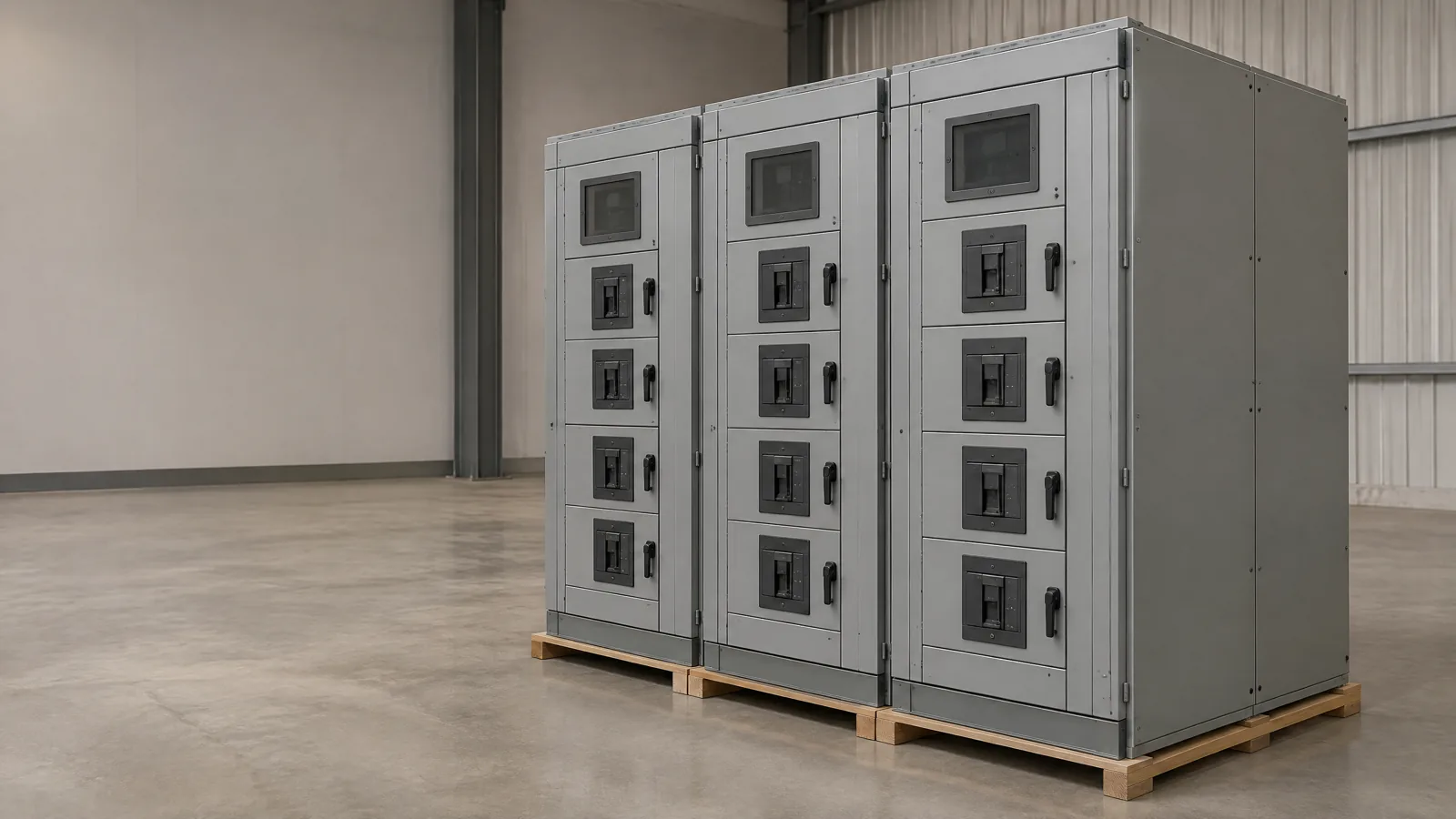
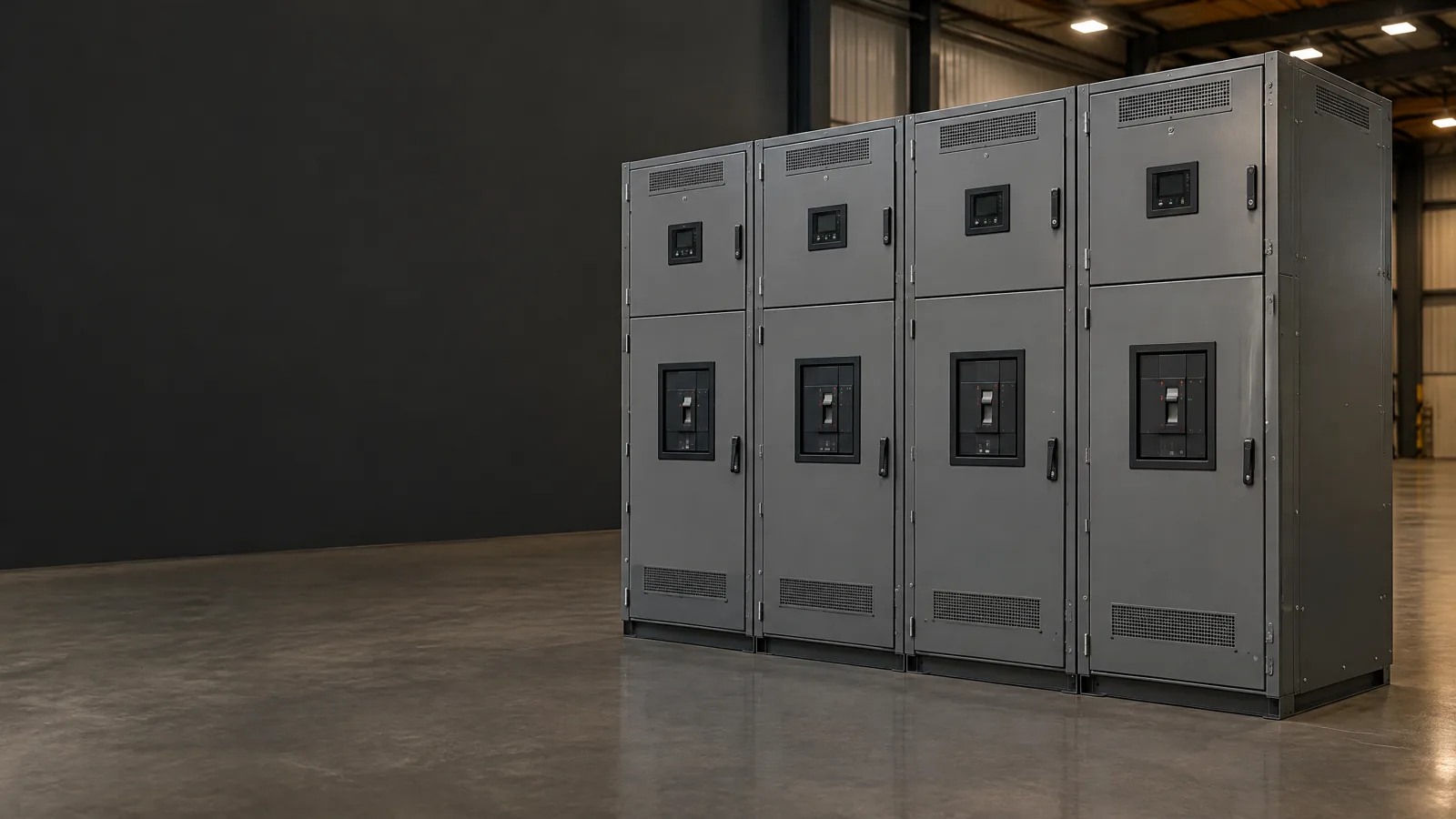
This page concerns metal-enclosed medium-voltage equipment built around load-interrupter switches, often combined with power fuses. Eaton describes its MVS equipment as an integrated assembly of switches, bus and fuses. That description is more useful than a cabinet's appearance when identifying a surplus lot. A metal enclosure alone does not establish which interrupting devices are inside.
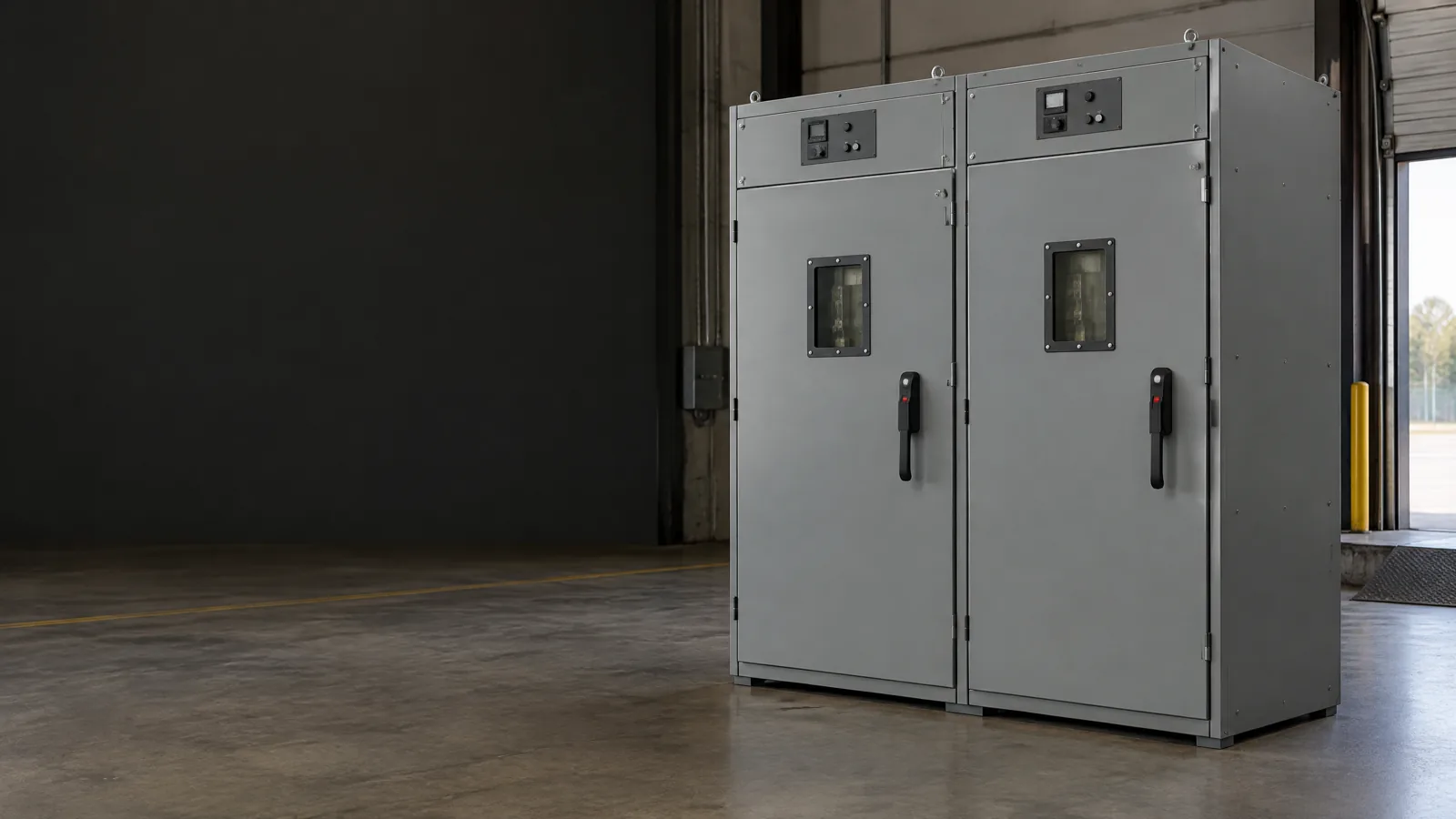
Describe a single switch section, a duplex arrangement or a lineup with a common bus as it actually exists. State whether it is fused or unfused and manually or motor operated when known. Used and unused equipment can be discussed, but no model, age or configuration is automatically accepted.
A load switch is not a circuit breaker
A load-interrupter switch handles load-current switching within its rating. In a fused arrangement, the fuses provide short-circuit interruption. Eaton specifically warns that its MVS load-interrupter switches are not designed or tested to interrupt system fault currents. Do not describe a switch as a fault-interrupting breaker merely because a high kA figure appears elsewhere on the equipment.
Metal-clad switchgear is a different construction category, with separate metal compartments and drawout circuit breakers described by Eaton. Metal-enclosed equipment can also contain breakers, so the enclosure label alone is insufficient. If your assembly combines switches and breakers, identify both. Breaker frame or trip information is not a substitute for the load-switch rating.
Keep nominal voltage, maximum voltage and BIL separate
Report the wording and units from existing nameplate records rather than rounding every voltage to a familiar class. Nominal system voltage describes the system designation; rated maximum voltage describes the equipment rating. Basic impulse insulation level, or BIL, is an impulse-withstand rating expressed in kV, not the normal operating voltage.
For example, S&C lists a custom metal-enclosed configuration at 13.8 kV nominal, 17 kV maximum and 95 kV BIL. Eaton's MVS guide separately lists 15 kV maximum equipment with 95 kV BIL. These are manufacturer examples, not interchangeable specifications or automatic buying criteria. Preserve the actual manufacturer's distinctions when describing your lot.
Bus amperes are not fuse amperes
Continuous main-bus current, switch continuous current and fuse current markings belong in separate fields. A lineup's bus can have a different current rating from an individual feeder switch or its fuses. S&C's table, for example, includes a 1200 A main-bus configuration with a 600 A Mini-Rupter switch. Calling that entire package a 1200 A switch would conceal an important distinction.
Eaton documents 600 A and 1200 A continuous and load-interrupting MVS switch ratings in its 5 kV and 15 kV classes. Those examples do not establish every voltage-and-current combination in a seller's equipment. Copy fuse designations, including any E marking, exactly instead of substituting the bus amperage.
Separate fault interruption from fault withstand
A kA figure needs its full label. Fuse interrupting capacity describes fault-current interruption. Switch fault-close capability, momentary withstand and bus short-time withstand describe different duties. Eaton's technical tables separate these quantities and distinguish rms symmetrical, asymmetrical and peak values. They cannot be compared as though the numbers shared one meaning.
Include a stated duration with a short-time rating, such as the two-second values in Eaton's main cross-bus table. Do not advertise the assembly by the highest fuse number alone. S&C notes that its published bay ratings are individual ratings and the entire assembly takes the lowest-rated bay's rating. Existing assembly records matter, particularly where components have changed or sections are missing.
Manufacturer names help identify the lot
Eaton MVS and S&C Custom Metal-Enclosed Switchgear are useful manufacturer examples for this equipment category. S&C identifies Mini-Rupter and Alduti-Rupter switches among its components, alongside SM power fuses and Fault Fiter electronic power fuses. Eaton's guide includes current-limiting and boric-acid-type fuse arrangements. State the installed component names when they are documented.
Use these names to describe what you own, not to infer compatibility. A familiar switch name does not prove that a fuse from another lot is appropriate or that sections can be joined. Surplus Valve Buyer is an independent buyer, not a manufacturer representative. This page offers no replacement, coordination or installation instructions.
Describe the lineup and included sections
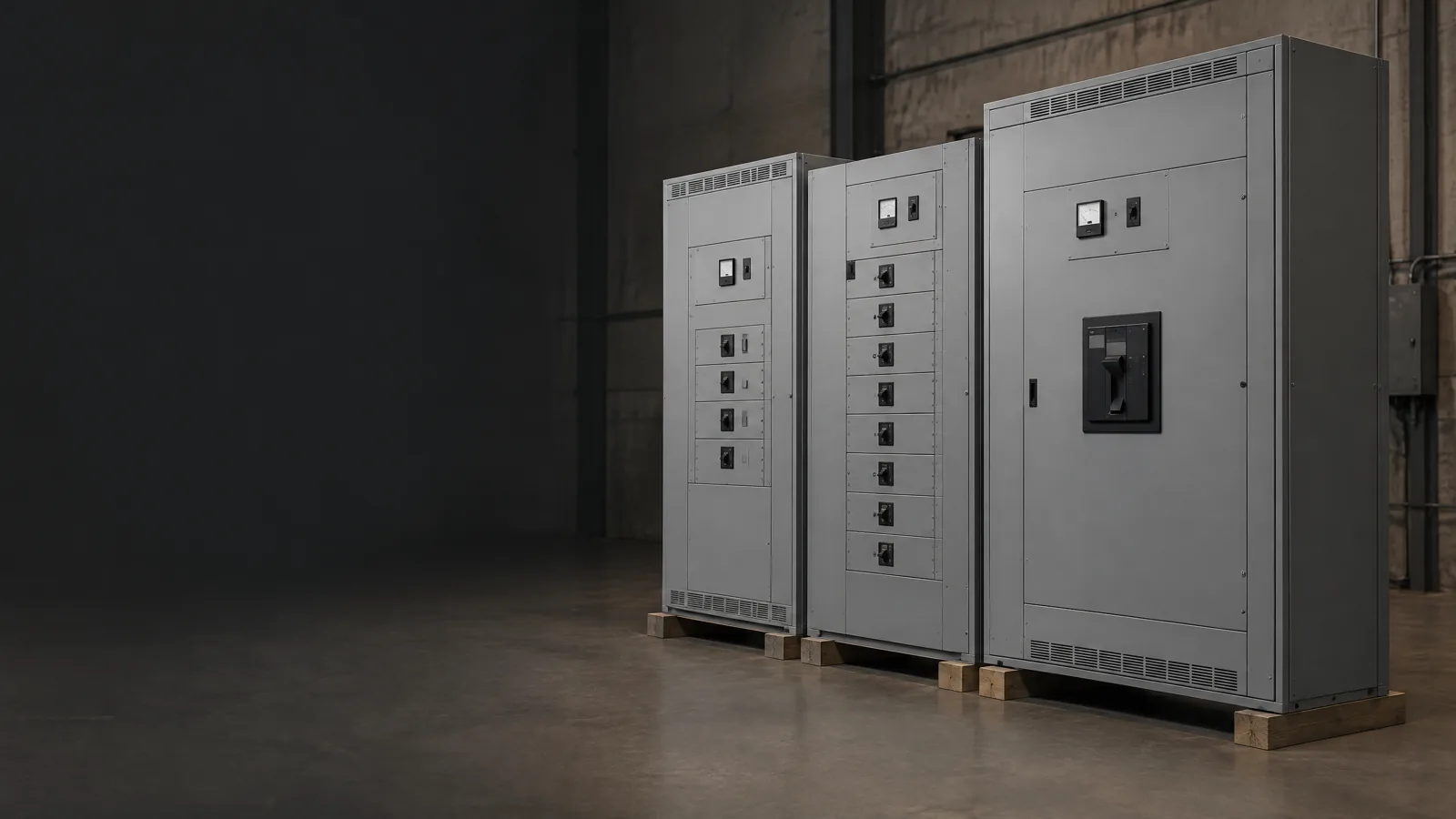
When offering a lineup, explain which sections are included and whether they came from the same assembly. Identify incoming switches, feeder sections and any metering or source-transfer controls from existing drawings. Eaton documents both duplex loadbreak arrangements and separate no-load selector arrangements; do not assume every selector is a load-interrupter switch.
For an individual section, disclose missing fuses, mechanisms, doors or bus connections if known. Include loose associated parts in the inventory rather than describing the section as complete. An equipment list that follows the actual lot helps avoid confusion between an intact switch-and-fuse assembly and cabinets remaining after components were removed.
Disclose condition without making unsupported test claims
Explain whether the equipment was never installed, previously operated or stored after retirement. Note known water exposure, corrosion, physical damage, modifications or missing components. Unused does not necessarily mean undamaged, and a retired assembly should not be described as tested simply because it operated before shutdown. Existing records can be shared without undertaking new electrical work for a sales inquiry.
Keep available one-line drawings, serial numbers and maintenance records associated with the correct lot. If you do not know a rating or service history, say so. A purchase discussion is not approval for re-energization. Equipment condition, completeness and the agreed scope of sale must be considered individually.
Discuss the sale before arranging removal
Call (951)403-5738 or email industrial832@gmail.com to discuss selling to Surplus Valve Buyer. Start with the manufacturer, approximate section count, location and what you know about the equipment. Photos are not required to begin the conversation. Tell us whether the gear is still installed or already disconnected, and disclose any access or ownership restrictions.
Only qualified personnel should handle safe decommissioning, isolation and removal. Do not open energized compartments, operate unfamiliar mechanisms or perform live tests for an inquiry. Agree on the included equipment, payment terms and responsibility for disconnection, rigging and transport before work begins. No freight coverage, purchase price or acceptance is promised for every lot.