15 kV Switchgear Buyers
Surplus Valve Buyer buys surplus industrial equipment, including eligible 15 kV switchgear lots. If a plant upgrade, cancelled project or retired distribution lineup has left you with equipment to sell, tell us what is available. We are a Houston-based independent surplus buyer, not a manufacturer representative. Purchase eligibility and terms are confirmed for each lot, whether it contains unused equipment or previously installed gear.
15 kV Class Is Not the Operating Voltage
A seller may call the same equipment 13.8 kV switchgear while its assembly nameplate states a 15 kV maximum rating. Eaton explains that 15 kV switchgear is commonly applied on nominal systems including 12.47, 13.2 and 13.8 kV. The nominal voltage describes the system; the maximum rating describes the equipment's voltage capability. Record both rather than changing one to match the other.
Manufacturer designs still differ. S&C's Custom Metal-Enclosed Switchgear table lists a 13.8 kV nominal example with a 17.0 kV maximum rating. Do not infer an assembly's exact maximum from the site's operating voltage or a familiar sales label. The actual nameplate and product documentation identify the lot.
Identify Metal-Clad Breaker Lineups
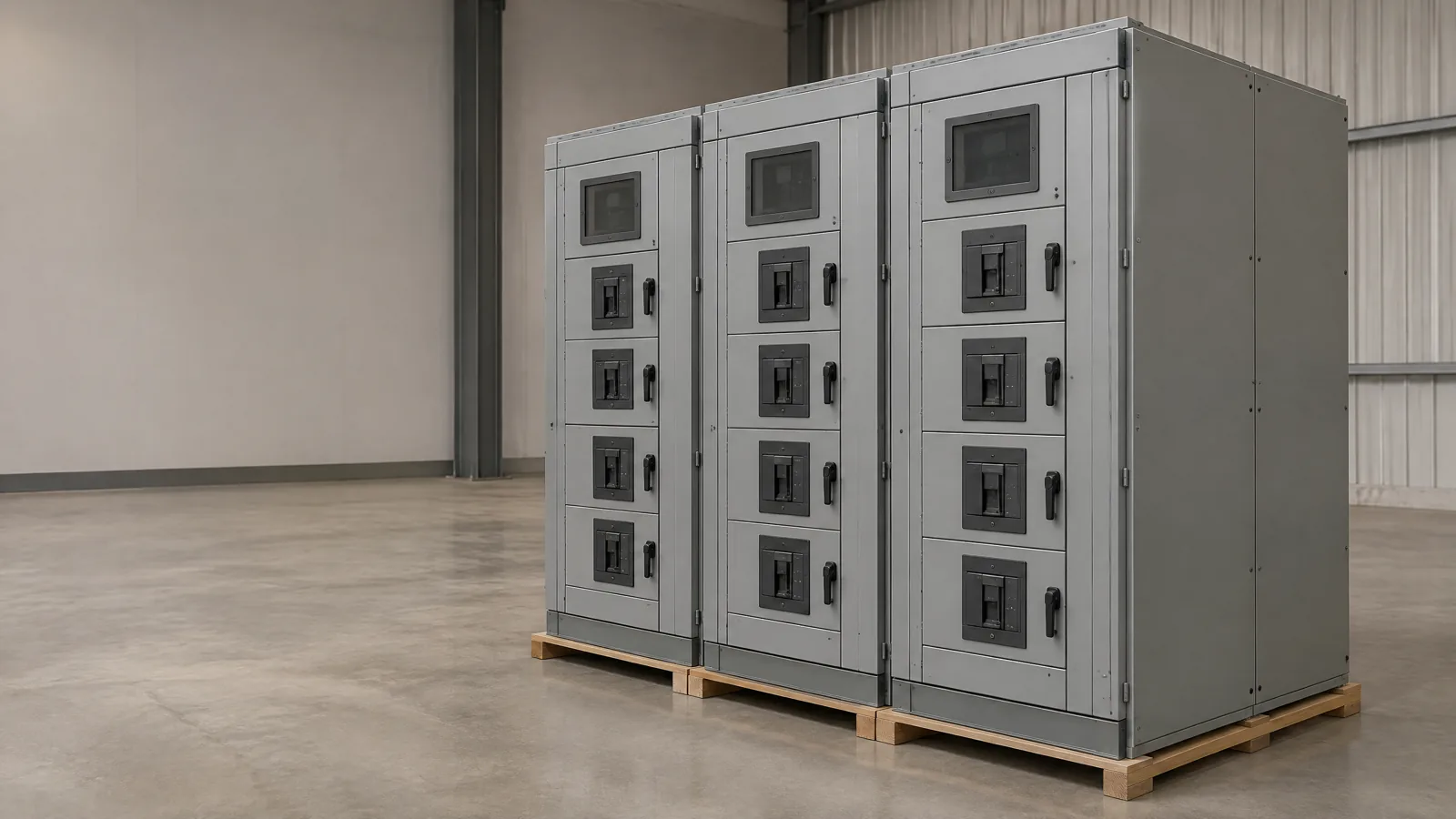
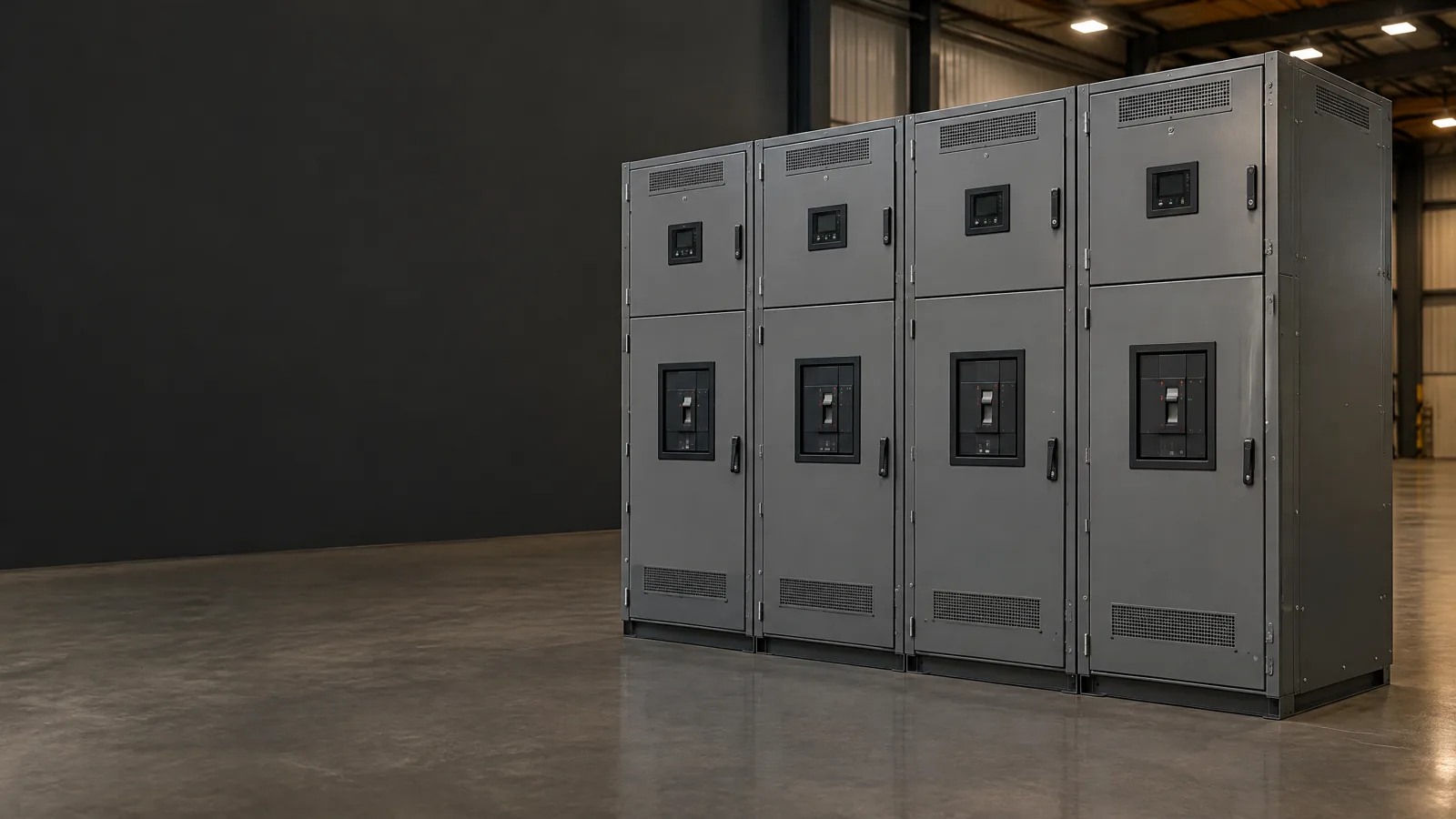
Metal-clad is a construction designation, not another name for every steel switchgear cabinet. Eaton identifies IEEE C37.20.2 metal-clad equipment by separate metal compartments for major electrical components and drawout circuit breakers. Its VacClad-W design uses grounded metal barriers and insulated primary conductors. Those details help distinguish a breaker lineup from switch-and-fuse equipment offered under the same voltage-class description.
For a surplus sale, identify the manufacturer, series, section count and included breaker types. Explain whether the lot includes mains, feeders, a tie section or spare cells. Do not describe ordinary metal-clad gear as arc-resistant unless the specific assembly's documentation supports that designation; standard metal-clad design testing is not internal-arcing certification.
Describe Load-Interrupter Gear Separately
Metal-enclosed load-interrupter switchgear deserves its own description. Eaton's MVS equipment combines switches, bus and optional fuses, rather than using the same arrangement as a metal-clad drawout-breaker lineup. Its published 15 kV-class switches include 600 A and 1200 A continuous and load-interrupting ratings. These are manufacturer examples, not automatic purchasing criteria or a promise that every configuration is available.
A load-interrupter switch's ability to interrupt load current must not be presented as fault-current interruption. Eaton states that MVS switches are not designed or tested to interrupt fault currents; optional fuses provide phase overcurrent protection. When selling fused gear, identify the switch and fuse types separately, including whether the fuses remain with the lot.
Keep Bus Amperes Separate From Breaker Details
Continuous main-bus current is the assembly's sustained current rating, expressed in amperes. It is not a voltage rating, fault-current rating or relay pickup setting. Eaton's VacClad-W guide lists main-bus ratings including 1200 A and 2000 A. Use the rating on your assembly's records instead of assuming that a breaker label identifies the entire bus.
List each included breaker's model and continuous-current rating independently. If paperwork also gives a frame designation, trip-coil control voltage or protective-relay settings, preserve those labels as separate information. A frame designation is not the bus rating, and a relay trip setting is not the breaker's continuous-current capability. Do not combine disconnected specifications into an invented equipment description.
Record BIL as an Insulation Rating
Basic impulse insulation level, or BIL, describes impulse-voltage withstand capability. It is not the normal operating voltage and does not tell a buyer how much continuous current the bus carries. Eaton's 15 kV VacClad-W assembly table specifies 95 kV peak lightning impulse withstand, alongside a separate 36 kV rms one-minute power-frequency withstand rating.
Keep these entries distinct in your equipment information. A 95 kV BIL entry does not make the assembly 95 kV operating equipment. If the insulation rating is unknown, say so and retain the original documents. Do not borrow BIL from a similar-looking lineup or assume that every older assembly follows a current catalog.
Preserve Short-Circuit and Interrupting Documentation
Fault ratings answer different questions from bus amperes. Eaton distinguishes an overcurrent protective device's interrupting rating from the switchgear assembly's short-circuit withstand rating. The breaker interrupts a fault; the assembly's bus and supports must withstand specified fault-current stresses. A single unexplained kA figure does not establish both capabilities.
Keep the original units, current basis and duration with every rating. Symmetrical rms current, asymmetrical current and peak current are not interchangeable. The VacClad-W assembly table separates two-second short-time withstand from momentary withstand. Supply the assembly rating sheet and individual breaker records when available. Existing maintenance reports document particular work and dates; they do not replace manufacturer ratings or establish present suitability for a different system.
Define Exactly What You Are Selling
A complete lineup, an individual section and a loose spare breaker are different lots. State which sections and devices belong to the sale, rather than counting empty cells as equipped feeders. Identify missing breakers, removed relays, absent covers or separated bus connections. Original one-line drawings, bills of material and serial-number records can help explain the configuration without guessing.
Genuine surplus-buyer pages discuss both complete lineups and individual cells or sections, but that does not mean every buyer accepts every lot. For Surplus Valve Buyer, equipment scope and eligibility are confirmed individually. Describe what remains together and what has already been separated so the purchase discussion addresses the actual equipment.
Report Condition Without Unsafe Inspection
Explain whether the gear is unused surplus, a stored spare or removed equipment. Disclose known water exposure, corrosion, damaged insulation, missing components and storage history. Existing records are more useful than an unsupported claim that equipment is tested or ready to energize.
Do not open energized compartments or perform live tests to prepare a sale inquiry. Inspection and removal that expose electrical parts require qualified personnel and applicable safe-work procedures. OSHA requires appropriate isolation, lockout or tagging and qualified verification of the de-energized condition. An idle lineup is not necessarily safe to dismantle. Tell us whether qualified decommissioning has occurred or remains to be arranged.
Discuss the Lot Before Planning Removal
Call (951)403-5738 or email industrial832@gmail.com with the available equipment and its location. You can start without photos or a complete specification package. Tell Surplus Valve Buyer which details are known and which need confirmation; do not guess ratings to make the inquiry look complete.
Include access constraints and whether the equipment remains installed. Purchase scope, payment terms, decommissioning responsibilities, loading and transportation arrangements must be confirmed for the individual lot. Our Houston base does not establish freight coverage or removal services for your site. We buy; you sell, with the equipment and agreed responsibilities clearly identified.