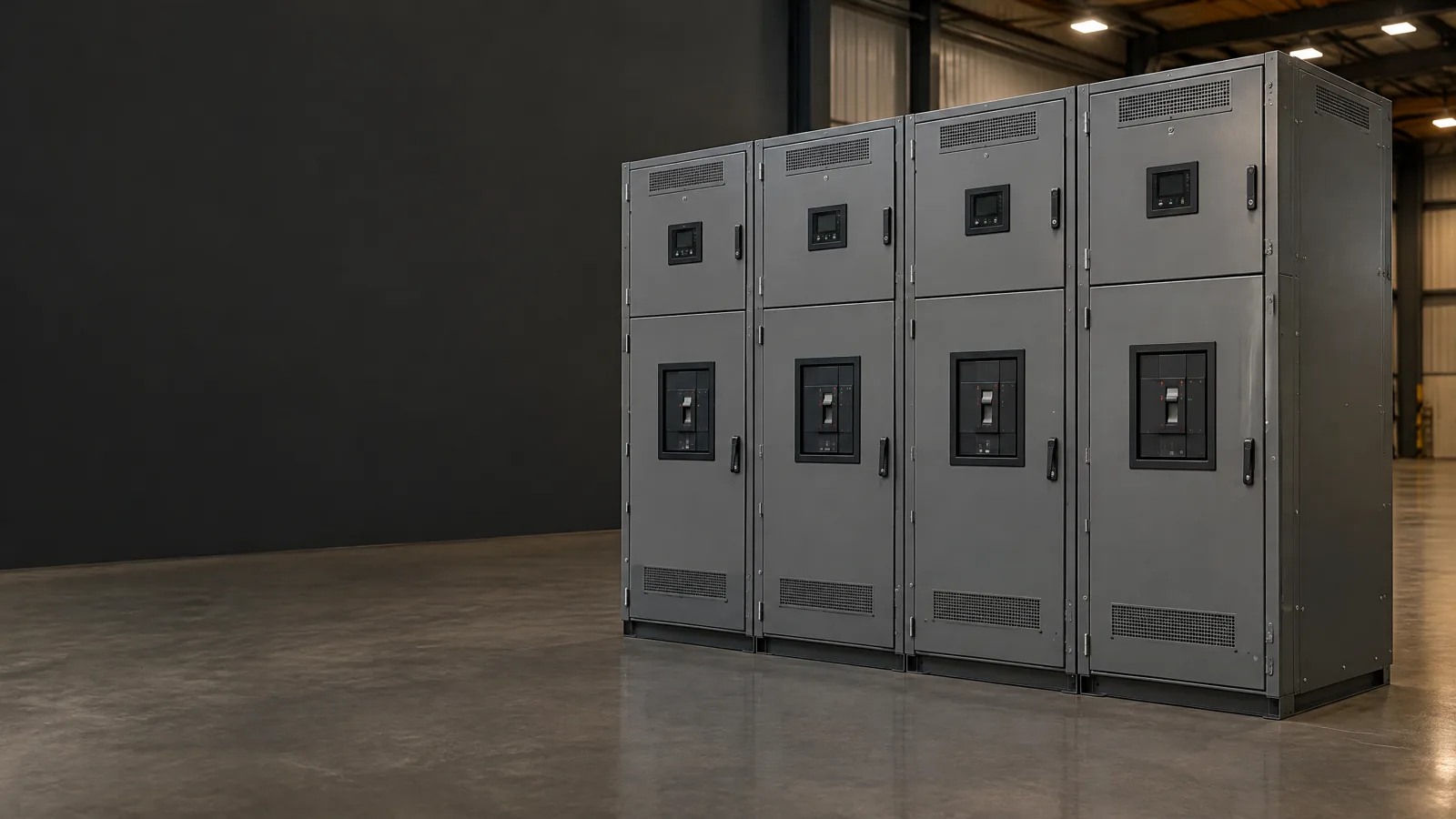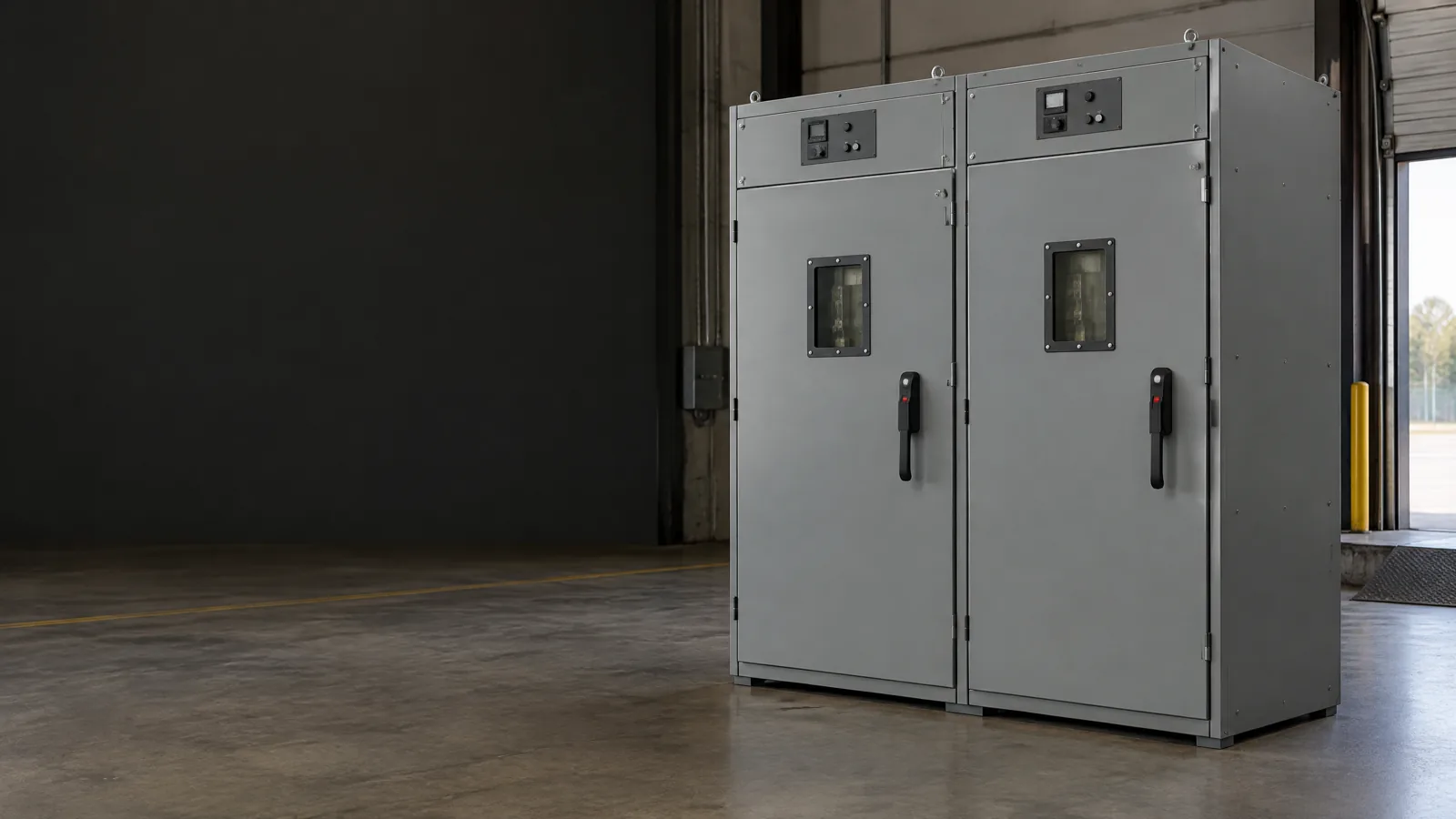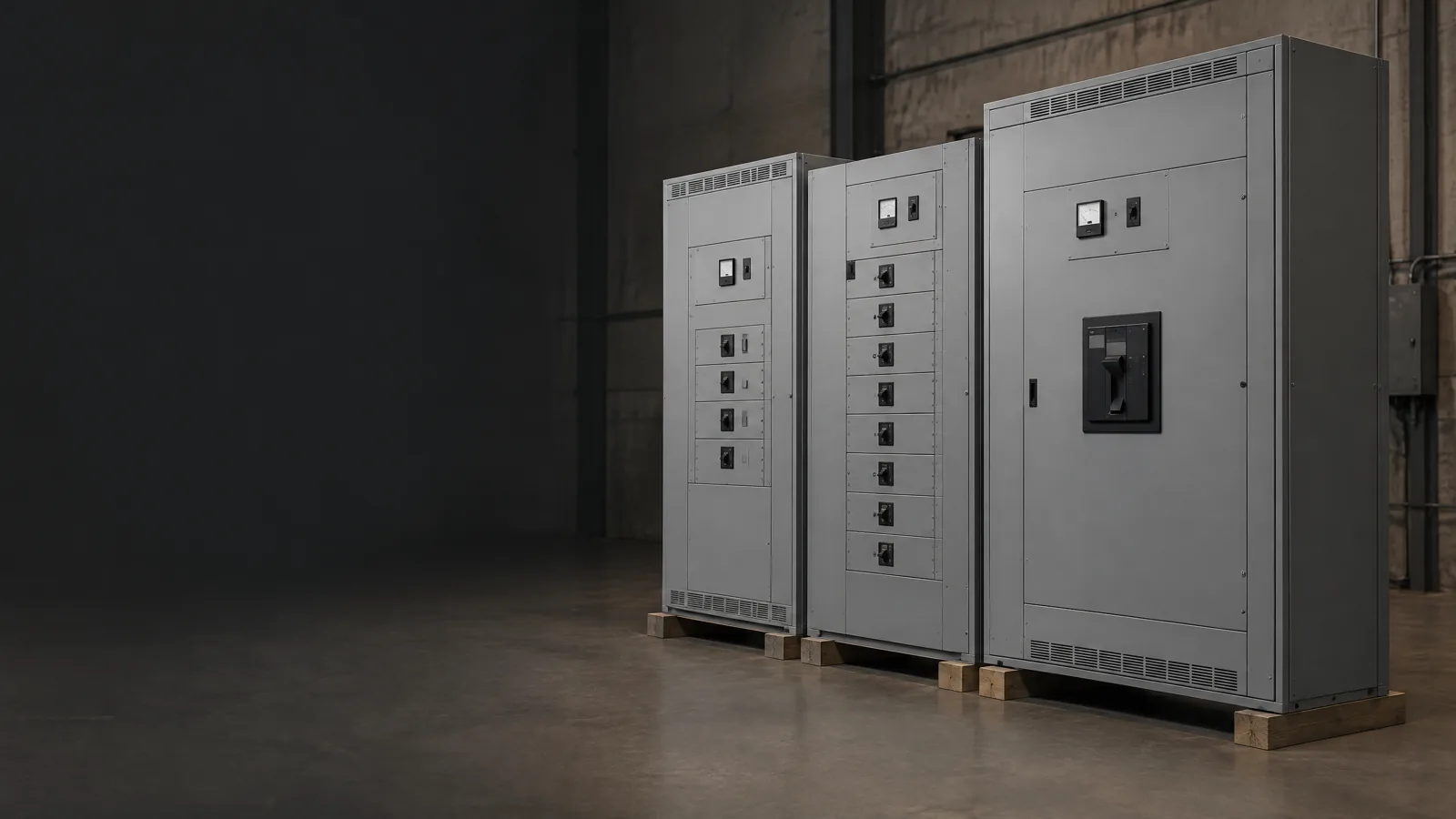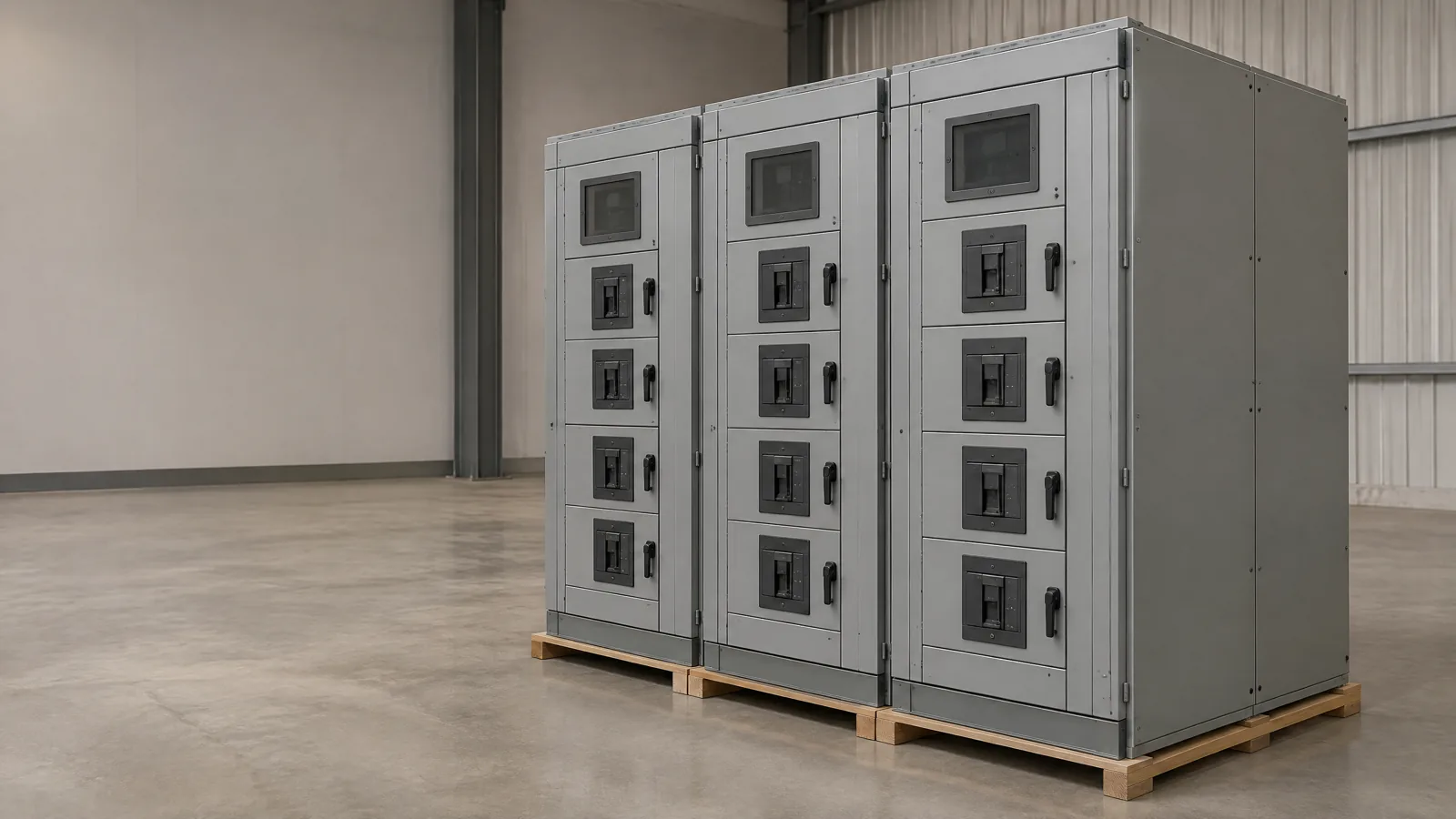
3000 & 4000 Amp Switchgear Buyers
Have a large-current switchgear lineup left from a canceled project, facility upgrade or plant closure? Surplus Valve Buyer is a Houston-based independent surplus buyer. We buy equipment from sellers; this is not a switchgear sales catalog. Contact us about your 3000 or 4000 amp equipment, whether it remains installed or is already in storage. Purchase eligibility and terms are confirmed for each lot.
Sell the lineup, not just an amp number
A description such as '4000 amp gear' is a starting point, not a complete equipment identity. Tell us whether you are selling an entire assembly, a main-and-tie group, feeder sections or loose breakers. Include the manufacturer and product family if known. New surplus and previously used switchgear both appear in the surplus buying market, but condition and completeness differ between lots.
For a long assembly, explain which sections belong together and which are excluded. A main section without its matching distribution sections is a different purchase from an intact lineup. Keep original order numbers and section identifiers with the equipment so the scope of the proposed sale stays clear.
Separate bus amperes from breaker ratings
Continuous bus amperes describe the assembly's current-carrying rating. A breaker frame rating describes the breaker platform, while its trip rating or settings describe protection. These numbers are not interchangeable. A seller's reference to a 3000A main does not establish that every bus section carries a 3000A rating, and feeder ratings should not be added together to determine bus capacity.
Product-specific differences matter here. Eaton's Magnum DS design guide lists 3200A and 4000A bus options, rather than a universal 3000A bus choice. Its VacClad-W guide documents 3000A breakers and certain 4000A configurations requiring forced-air cooling. Report the actual nameplate and installed configuration; do not round 3200A down or assume missing cooling equipment is optional.
Identify voltage and fault ratings separately
Provide the nominal system voltage separately from the assembly's maximum rated voltage. For example, the Magnum DS guide distinguishes a 480V system from a 508V maximum rating. That example identifies terminology, not automatic eligibility for every 4000A assembly. Medium-voltage equipment belongs to a different product class and needs its own nameplate information.
Also distinguish continuous amperes from fault-current ratings expressed in kA. Breaker interrupting capability and assembly bus withstand or bracing ratings describe different duties. For medium-voltage gear, BIL identifies basic impulse insulation level, not load capacity or interrupting current. Preserve the stated voltage, units and applicable duration when reporting ratings. An isolated '65 kA' label is not a complete description.
Describe multiple-source and parallel arrangements
Large-current lineups may contain two mains and a tie, or equipment associated with multiple sources. Identify those sections by their original functions. A main-tie-main layout does not, by itself, prove that sources can operate in parallel. The one-line diagram, control scheme and interlocks are important to understanding the assembly being offered.
If your equipment came from a generator-paralleling or utility-interconnected installation, say so without claiming universal compatibility. Retain available synchronizing-control documentation, relay information and control wiring drawings. Eaton's guides show multiple-source applications and typical two-source layouts, but those examples do not certify a surplus lineup for another site. Describe missing controls and later modifications alongside the original arrangement.
Keep shipping splits and splice sets together
Shipping splits are planned divisions of a lineup for handling and transport. They are not permission to cut buswork wherever a truck-length problem appears. Eaton's Magnum DS instructions describe separate shipping groups and bolted splice connections for the main, neutral and ground buses at shipping breaks. The original drawings help identify how those groups belong together.
Tell us how many shipping groups remain and whether their matching bus splice plates, hardware and control connections are included. Keep already removed loose parts identified with the appropriate group. Report lost or damaged splice sets before transport is discussed. Do not separate equipment yourself for a sale inquiry; qualified personnel must plan any required disassembly after safe decommissioning.
Account for breakers and essential accessories
For drawout equipment, distinguish installed breakers from empty cells and separately stored spares. Record each main and tie breaker's model, frame and trip information from existing records or safely accessible identification. Matching-looking breakers are not automatically interchangeable; Magnum DS documentation describes interference interlocks intended to prevent incorrect breaker insertion.
State whether operating handles, racking accessories and original lifting equipment accompany the sale. Identify retained meters, protective relays and cooling equipment where fitted. Drawings and maintenance records help explain what is present, but they do not replace a condition assessment. If a breaker was removed for repair or a control component was taken for another project, make that exclusion explicit.
Utility, data center and plant surplus
Contact us about high-current assemblies left after a utility project change, data center redesign or industrial plant upgrade. Explain why the equipment became surplus and whether it was ever energized. Uninstalled project surplus, a retired working lineup and equipment removed following a fault should not share the same condition description.
Include the removal date and storage history if known. Outdoor appearance alone does not establish protection during storage: Eaton notes that its outdoor assemblies are not weatherproof until fully assembled. Mention disconnected shipping groups, missing roof pieces or periods exposed to moisture. A recognizable project origin can provide context, but it does not guarantee purchase acceptance.
Report condition without energizing the gear
Describe known corrosion, water exposure, enclosure damage or missing barriers honestly. If existing service or test reports are available, identify their dates and the equipment covered. Do not call an assembly tested or operational solely because it previously supplied a building. We do not require you to energize surplus gear to start a selling conversation.
Do not open energized compartments or perform live tests for a valuation inquiry. Qualified electrical personnel must handle isolation, lockout/tagout, verification of a de-energized condition and safe decommissioning under applicable procedures. Eaton's instructions restrict work to qualified personnel and prohibit removing covers that expose energized circuits. Use existing paperwork when safe access to identification is unavailable.
Resolve transport before committing the lot
A high-current lineup can be practical to purchase electrically yet difficult to move from its present location. Provide the site address, known shipping-group dimensions and documented weights. Describe doorway restrictions, loading access and whether the gear is still anchored or connected. Eaton's handling instructions identify shipping-group weights and require equipment-specific lifting precautions; ampacity alone cannot determine transport needs.
Discuss who will arrange decommissioning, rigging, packaging, loading and freight before agreeing to a sale. Surplus Valve Buyer does not promise blanket freight coverage or acceptance of every 4000A assembly. Call (951)403-5738 or email industrial832@gmail.com. We will discuss the lot, with purchase scope, payment terms and transport responsibilities confirmed individually.