Transformer Buyers
Have a transformer left over from a canceled project, a facility upgrade, or an equipment change? Surplus Valve Buyer reviews new surplus and potentially reusable used transformers for purchase. We are an independent Houston-based equipment buyer, and sellers across the United States can contact us about a single unit or a larger transformer lot. Start with a short message describing what you have and where it is located. Photos are optional for that first conversation. Equipment identity, condition, ownership, and any fluid-related documentation help determine whether a purchase review can move forward.
Who buys surplus and used transformers?
Potential buyers include transformer refurbishers, surplus equipment purchasers, and recyclers. They do not necessarily evaluate the same equipment or offer the same route. A buyer seeking a reusable transformer needs more than a weight estimate; identity and condition matter. A recycling route also needs environmental eligibility established before material recovery is discussed.
Surplus Valve Buyer offers a direct purchase review rather than an inventory listing service. Contractors, facility owners, distributors, and authorized asset managers can contact us about equipment they control. Tell us whether the transformer is an unused project remainder, a stored spare, or a retired operating unit.
Surplus, reusable used, and scrap are different
Surplus describes equipment no longer needed by its owner; it does not establish whether the transformer has been used. New surplus may be an uninstalled project purchase. Used surplus may have operated before removal. Describe installation and operating history separately from the reason for selling, and disclose storage conditions even when a unit appears unused.
A retired transformer is not automatically scrap, and a transformer that looks complete is not automatically reusable. Failed, fire-damaged, incomplete, or contaminated equipment needs a different assessment. We review the information before discussing eligibility; neither a reusable-equipment purchase nor a scrap purchase is guaranteed.
Identify the transformer family without guessing
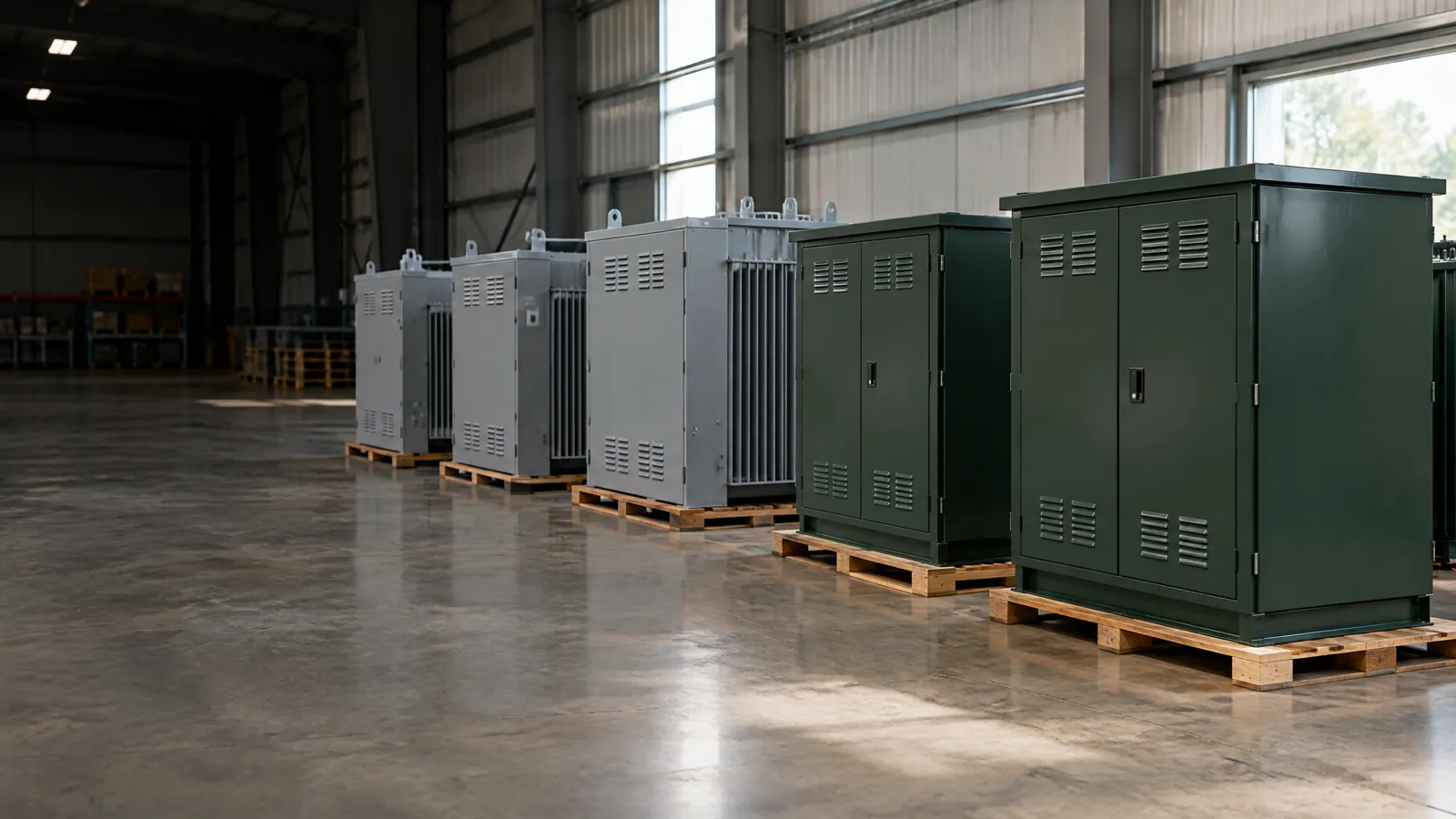
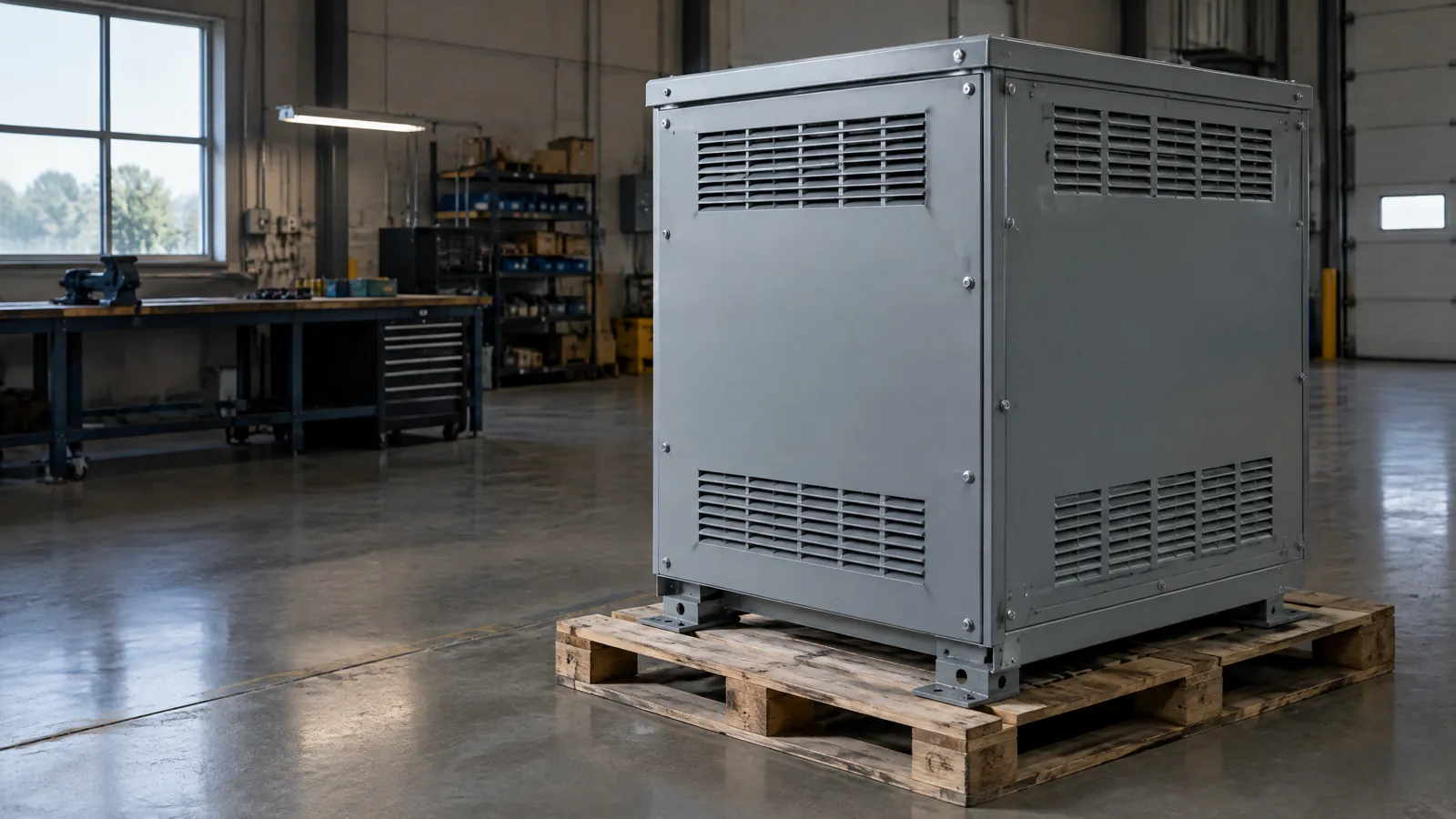
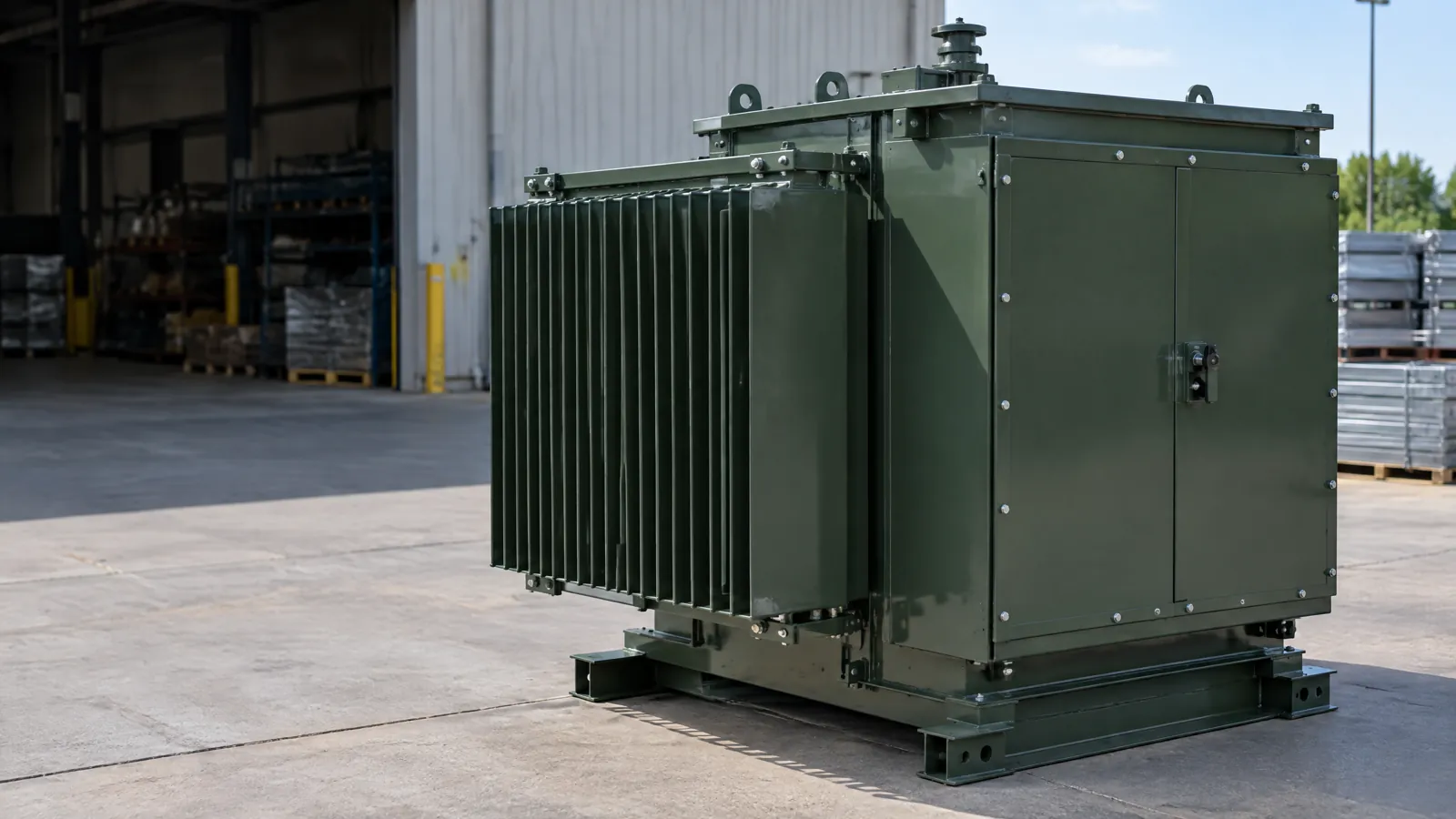
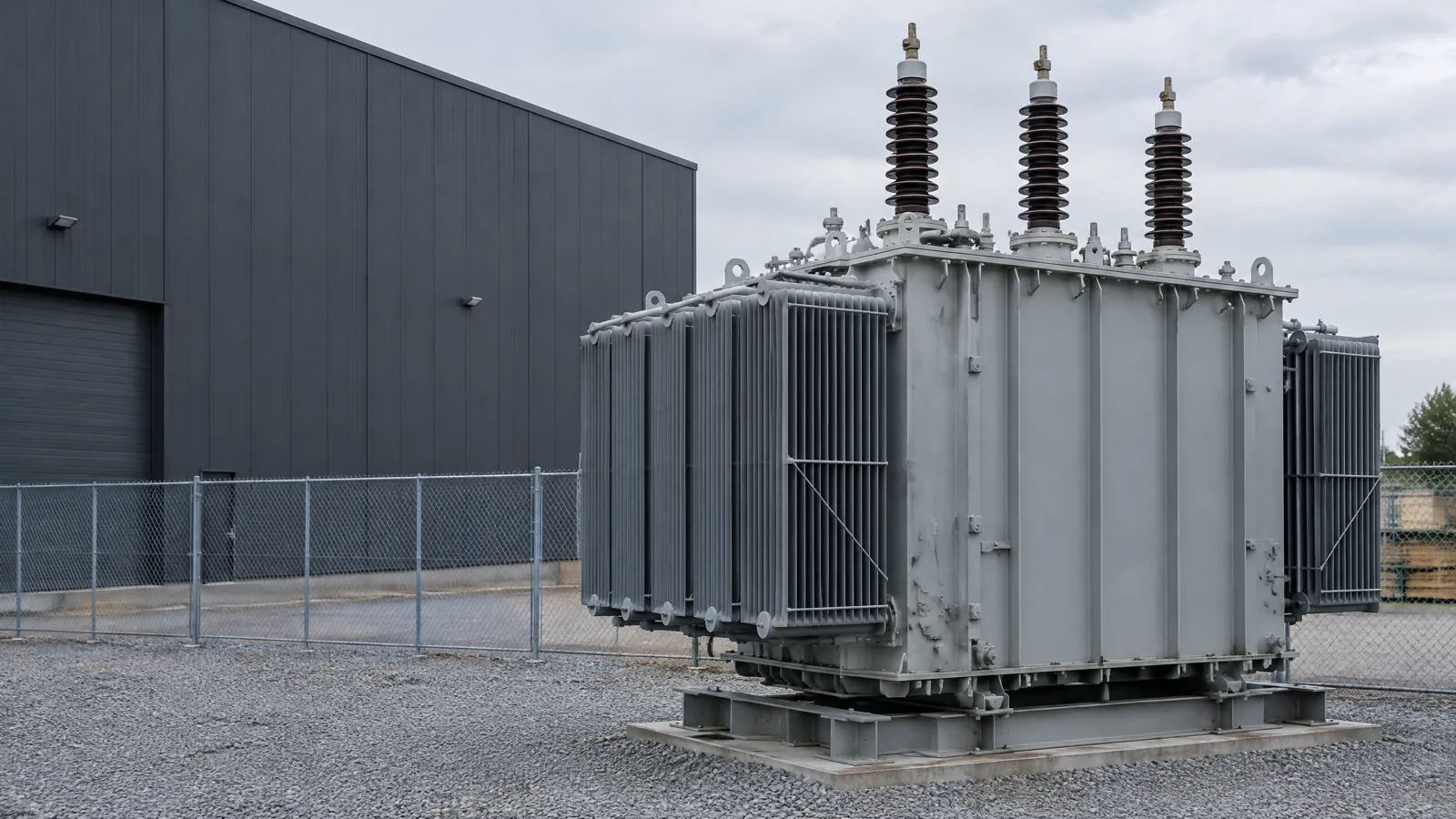
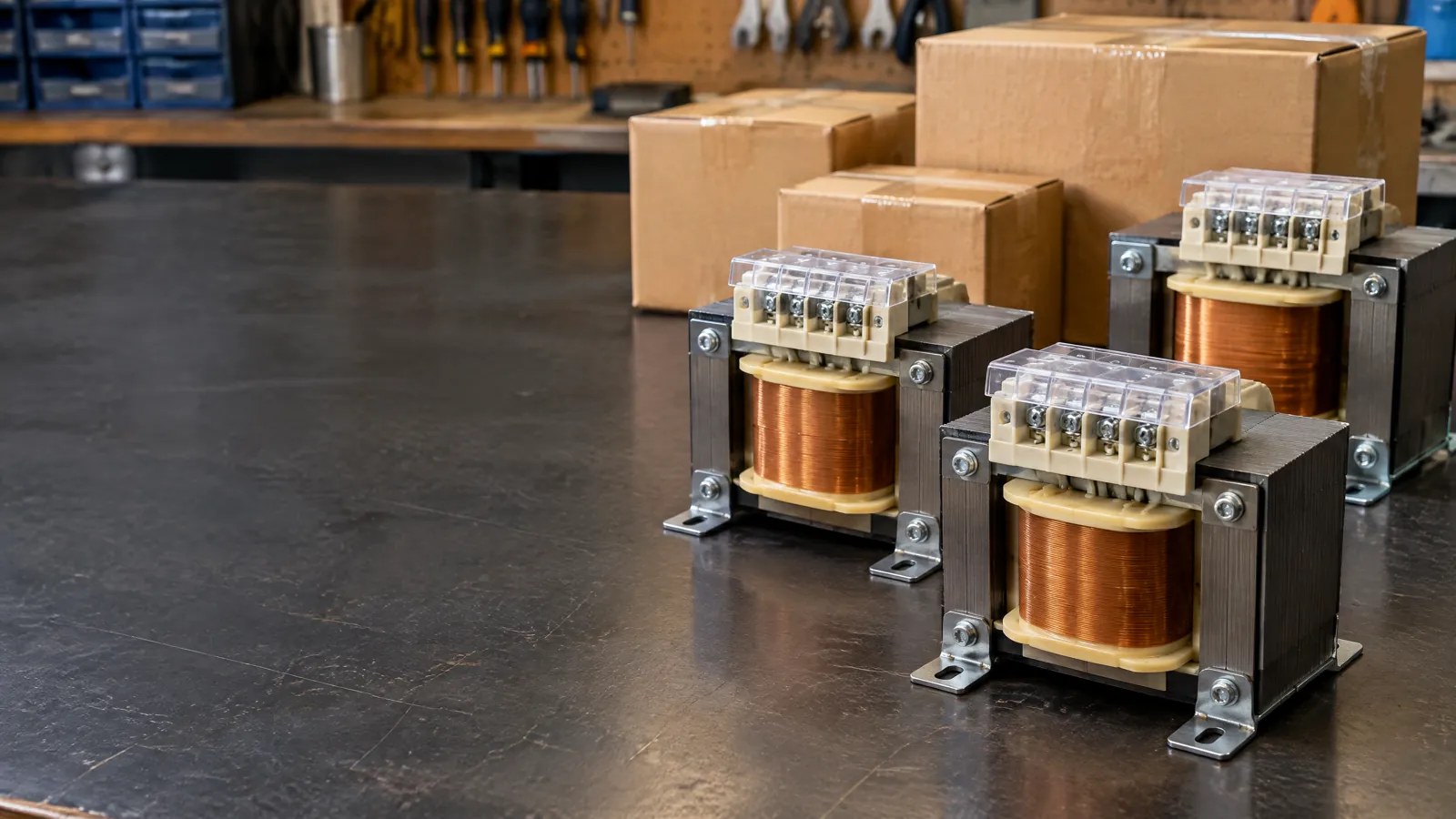
Dry-type and liquid-filled describe different transformer designs. Pad-mounted, pole-mounted, and substation descriptions help identify mounting or application, but do not replace the electrical ratings. Eaton's general-purpose ventilated dry-type family includes single-phase and three-phase designs. Its Cooper Power series three-phase pad-mounted family is fluid-filled. These are manufacturer examples, not a promise to purchase every unit in either family.
Send the wording shown on your equipment or existing paperwork. If you only know that it is a transformer, say so. A cabinet's color, approximate size, or former building location is not enough to establish its design, voltage, or purchase eligibility.
Nameplate details make the review specific
Useful identification includes the manufacturer, catalog or model number, serial number, kVA rating, phase, and primary and secondary voltages. Preserve the connection notation: 208Y/120 V is more informative than simply reporting 208 V. Copy what is written rather than estimating a rating from a similar-looking unit.
For example, Eaton lists its discontinued V48M28T75EE as a three-phase, 75 kVA ventilated dry-type transformer with a 480 V primary and 208Y/120 V secondary. That example illustrates the detail needed, not an acceptance promise. Eaton also offers aluminum or copper windings in its general-purpose family; do not assume the winding material.
Explain condition and keep records with each unit
Tell us whether the transformer is still installed, safely disconnected, or already stored. Include why it was removed, its last known operating condition, and any known faults, leaks, corrosion, impact damage, or missing parts. If its condition is unknown, describe it as unknown rather than calling it working because it previously served a building.
Existing electrical test reports, maintenance records, purchase documents, and fluid analyses can help support the description. For multiple transformers, match each record to a serial number or asset identifier. One report for one unit should not be presented as evidence for the whole lot.
A purchase review is not a scrap-weight quote
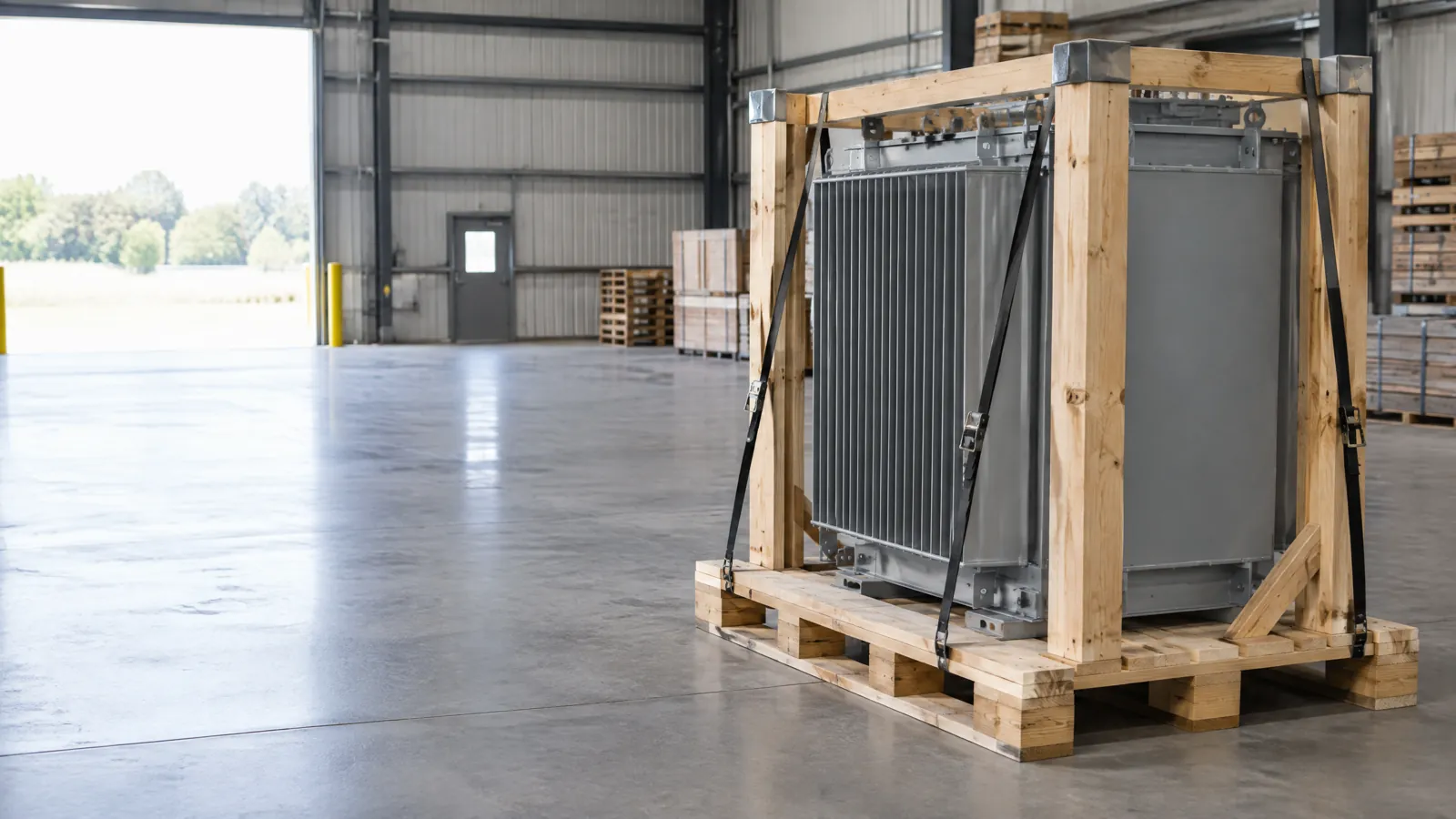
For a potentially reusable transformer, the review considers its identifiable configuration, documented condition, completeness, and the practical requirements of acquiring it. Send existing weight and dimension information if available, but those figures do not replace the nameplate. A large unit is not necessarily a better resale candidate than a smaller, well-documented one.
No price is promised from a photograph, brand name, or kVA figure alone. If a purchase is proposed, clarify whether further inspection or testing is required and how transport costs affect the terms. A comparison is meaningful only when both proposals describe the same equipment and responsibilities.
Liquid-filled equipment needs a separate eligibility check
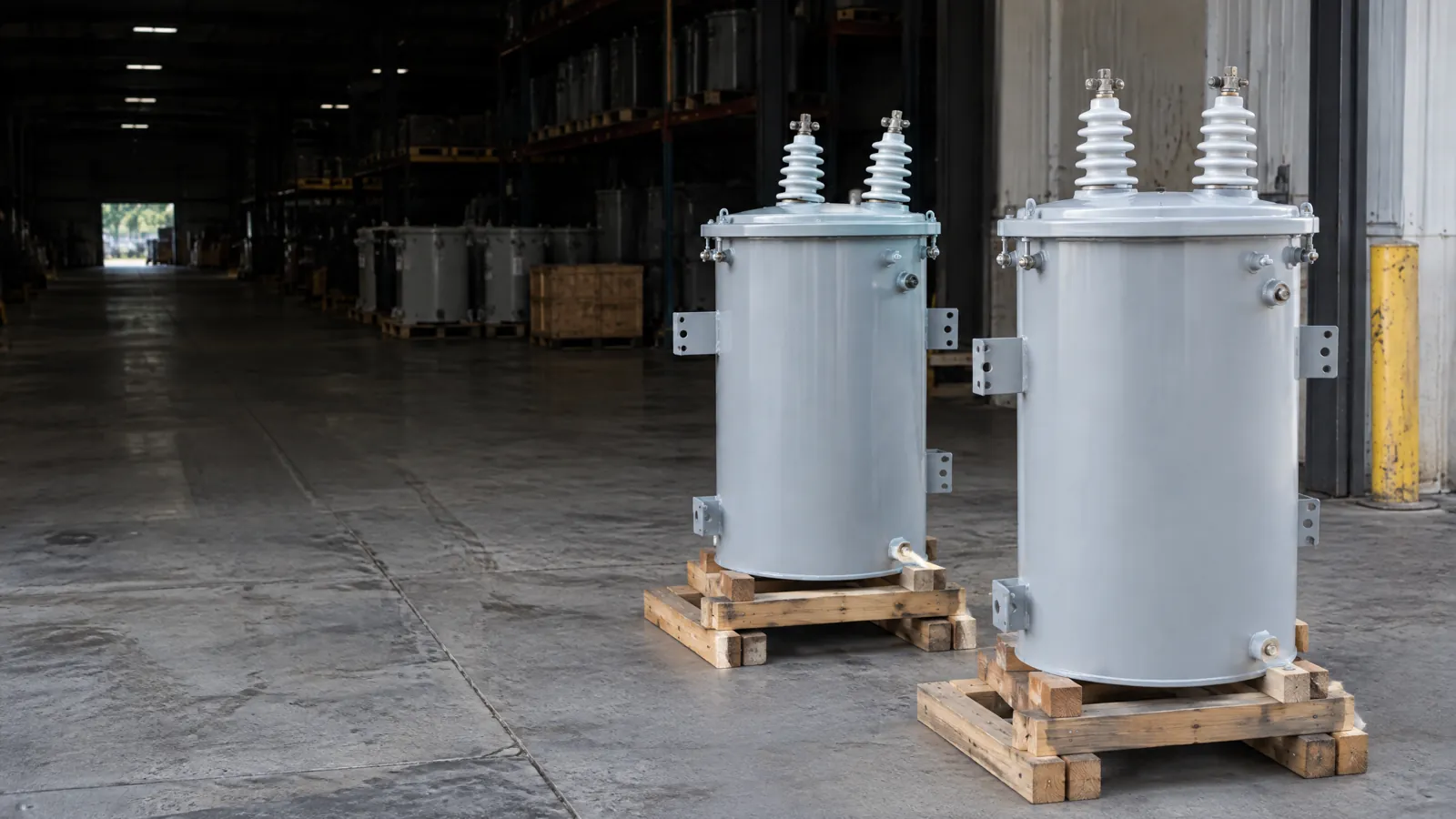
Provide the stated fluid type and any existing PCB documentation for liquid-filled equipment. PCBs are polychlorinated biphenyls, substances covered by EPA rules. Do not claim PCB-free status from age or appearance alone. Under 40 CFR 761.2, concentration can be established through testing or qualifying manufacturer documentation together with service records; unknown information can trigger regulatory assumptions.
Fluid eligibility is assessed case by case. A sale inquiry does not establish a lawful disposal route for regulated PCB equipment. EPA directs owners to applicable storage and disposal rules and regional PCB coordinators. Do not drain, dilute, or mix fluids to prepare a transformer for review.
Start the conversation without unsafe access
Use existing records and safely accessible exterior information. Do not open a cabinet, reach near electrical parts, energize equipment for a demonstration, or remove covers to answer a purchase question. If the nameplate cannot be accessed safely, tell us what information is available and let qualified personnel handle any electrical work.
A switch position does not establish that equipment is safe to approach. OSHA's electrical work-practice rules address deenergization, lockout or tagging, and qualified-person verification. A purchase inquiry is not permission to bypass your site's safety procedures. Leave installed equipment under the control of the responsible facility or utility.
Confirm ownership, location, and sale responsibilities
Before proceeding, confirm that you own the transformer or have authority to sell it. Equipment located on your property may belong to a utility or another party. For a contractor-managed project, identify who can approve the sale and release the equipment. Share the city, state, quantity, and any removal deadline without assuming immediate collection is available.
Transport, loading, electrical disconnection, and any further assessment need explicit agreement. Do not assume they are included in a purchase discussion. Contact Surplus Valve Buyer at (951) 403-5738 or industrial832@gmail.com with a short description. We can begin with the information you have; detailed documentation can follow.