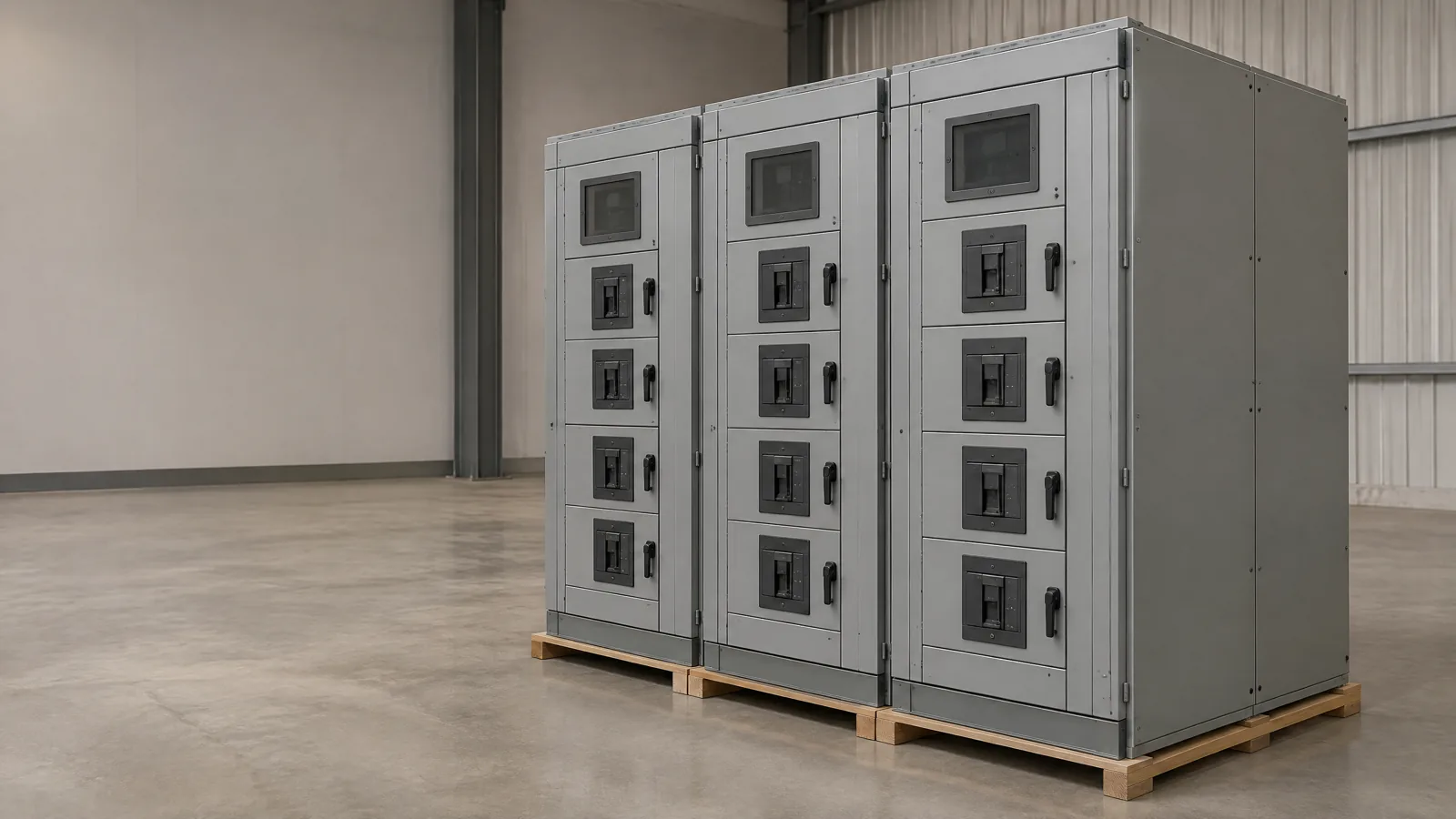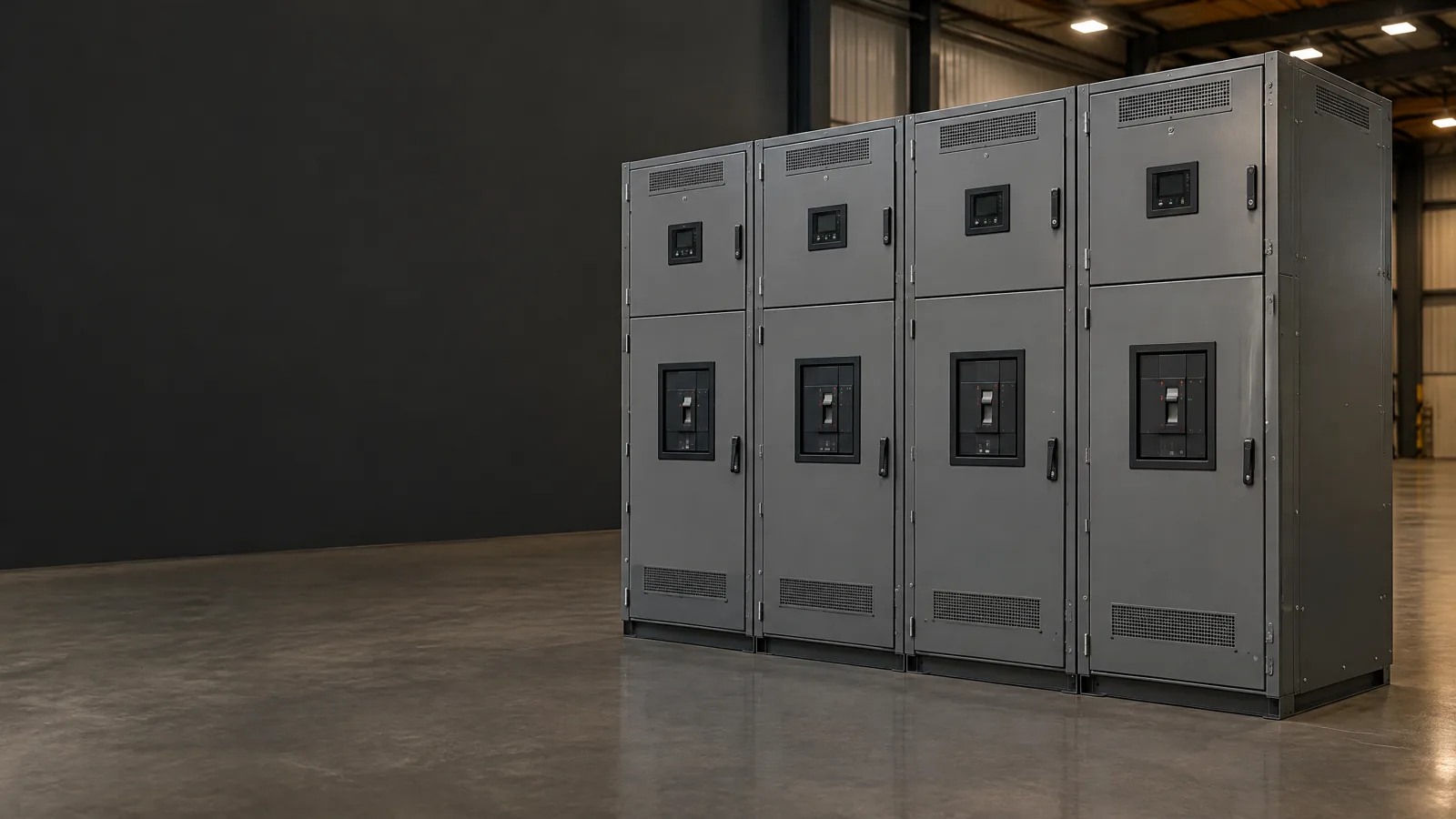
27 kV & 38 kV Switchgear Buyers
Surplus Valve Buyer buys surplus switchgear, with 27 kV and 38 kV lots reviewed individually for eligibility and purchase terms. We are a Houston-based independent buyer, not a manufacturer representative. If you are selling a retired lineup, unused project gear or stored sections, start with the equipment identity and what is included. At these voltage classes, a cabinet description alone does not explain the breakers, insulation system or removal scope.
Sell the lineup you actually have
Describe whether the lot is a complete lineup, disconnected shipping sections or individual spare breakers with their associated cells. Identify the main, tie and feeder positions from existing records. A section count is useful, but it does not reveal how many positions contain breakers or whether auxiliary compartments are included.
Used switchgear buyers already advertise purchases of 27 kV and 38 kV equipment, so sellers have a reason to seek an equipment review before choosing disposal. Our review concerns the specific lot offered. State any excluded breakers, relays or accessories clearly, and distinguish unused equipment from equipment removed after service. Neither description establishes condition by itself.
Separate system voltage from assembly rating
Nominal system voltage describes the electrical system; rated maximum voltage describes an equipment rating. Do not replace the assembly nameplate value with a remembered operating voltage. Provide both when available, together with the manufacturer's model and serial information. An old project description may identify the application without identifying the exact assembly supplied.
Eaton's January 2025 VacClad-W 27 kV guide lists a 27 kV rated maximum voltage under IEEE C37.20.2 and separately notes manufacturer testing to 29.8 kV. Its 38 kV guide lists 38 kV rms maximum. Those statements belong to the documented designs, not every surplus unit carrying a similar voltage-class label.
Report bus amperes separately from breakers
Continuous main-bus current is not the same entry as breaker continuous current, a breaker frame designation or a protective relay trip setting. Keep these descriptions separate in your inventory. For example, Eaton's 27 kV guide includes 1200 A and 2000 A among its main-bus ratings. These are manufacturer examples, not automatic purchase criteria.
The 38 kV guide's general description distinguishes breakers up to 2500 A from main bus up to 3000 A. Cooling requirements and configuration notes also matter. Do not describe every breaker as matching the bus merely because they came from the same lineup. Record each device's stated rating and flag missing information rather than constructing a voltage-and-amperage combination from catalog maxima.
Keep fault and insulation ratings distinct
A kA fault-current rating does not describe normal load amperes. Breaker interrupting capability, assembly short-time withstand and momentary withstand are separate entries; retain their units and stated duration. A number without its rating label can make a seller's inventory misleading, particularly when breaker and assembly records come from different documents.
Basic impulse insulation level, or BIL, is another separate rating. Eaton's cited 27 kV design lists 125 kV peak BIL and 60 kV rms one-minute power-frequency withstand. The cited 38 kV design lists 150 kV peak BIL and 80 kV rms one-minute withstand. These are insulation examples, not interchangeable voltage labels or evidence that stored equipment remains serviceable.
Identify the construction and matching devices
State whether your gear is metal-clad or another documented construction, and identify its insulating medium. The cited VacClad-W guides describe drawout vacuum breakers and primary components separated by grounded metal barriers. That description should not be applied to an unidentified cabinet simply because its exterior looks similar.
Likewise, standard metal-clad construction does not establish an arc-resistant rating. Eaton distinguishes standard bolted-fault withstand testing from internal arcing tests. Preserve any actual arc-resistant designation with the lot records. List breaker type numbers, installed quantities and spare quantities separately; the 38 kV guide describes coding plates intended to prevent installation of an incorrect breaker rating. Physical fit alone is not compatibility evidence.
Outdoor dimensions need the correct drawing
For outdoor switchgear, identify the enclosure arrangement before reporting dimensions. Eaton documents outdoor aisleless arrangements for its cited 27 kV design and both aisleless and sheltered-aisle structures for its cited 38 kV design. Indoor cabinet dimensions are not substitutes for an outdoor enclosure's footprint or shipping dimensions.
Use the lot's general arrangement and shipping-split drawings where available. Report overall width, depth and height, along with section weights from reliable records. Note roof projections, added housings and any aisle structure that remains attached. Describe gate clearance, loading access and foundation attachment as removal constraints, not electrical ratings. Do not separate sections merely to obtain measurements for an inquiry.
Control details belong with the one-line
Control supplies cannot be inferred from primary voltage class. Existing schematics should identify trip and close circuits, charging motors and any capacitor-trip arrangement. Eaton's 27 kV guide distinguishes dc control voltages from ac and capacitor-trip entries. Report the actual arrangement rather than assuming that a familiar control voltage applies throughout the lot.
Provide available one-lines, wiring diagrams and relay model information with revision dates. Current-transformer ratios and voltage-transformer connections also help describe the installed package. Identify later relay replacements or wiring changes if documented. A manufacturer's typical schematic explains a design, but it does not replace the drawings for your particular lineup. Missing drawings should be disclosed, not recreated from guesswork.
Document storage and service history honestly
Tell us when the equipment left service, why it became surplus and how it has been stored. Disclose known water intrusion, corrosion, damaged insulation or missing components. The manufacturer guides identify moisture, salt air and unusual storage conditions as matters requiring consideration. An outdoor enclosure description does not establish that a stored lot escaped environmental damage.
Existing maintenance reports or test records may help explain condition when they identify the equipment, date and work performed. Send available records rather than arranging energized demonstrations for a sale. Keep unknown condition separate from confirmed damage and from documented maintenance. We do not treat a past report as a new certification or promise that every lot will qualify for purchase.
Agree the sale and safe removal scope
Call (951)403-5738 or email industrial832@gmail.com with your available equipment details. Before committing a lot, confirm included items, condition disclosures, payment terms and responsibility for disconnection, rigging and transport. Surplus Valve Buyer reviews eligibility and terms per lot; an inquiry is not a purchase commitment or a promise of freight coverage.
Do not open electrical compartments, remove covers or perform live tests for a quote. Decommissioning requires qualified personnel following applicable site procedures. OSHA requires isolation from all electrical energy sources, lockout/tagout, control of stored energy and qualified verification of the deenergized condition, including induced voltage and backfeed. Switching off a breaker alone does not establish safe access.