Used Transformer Buyers
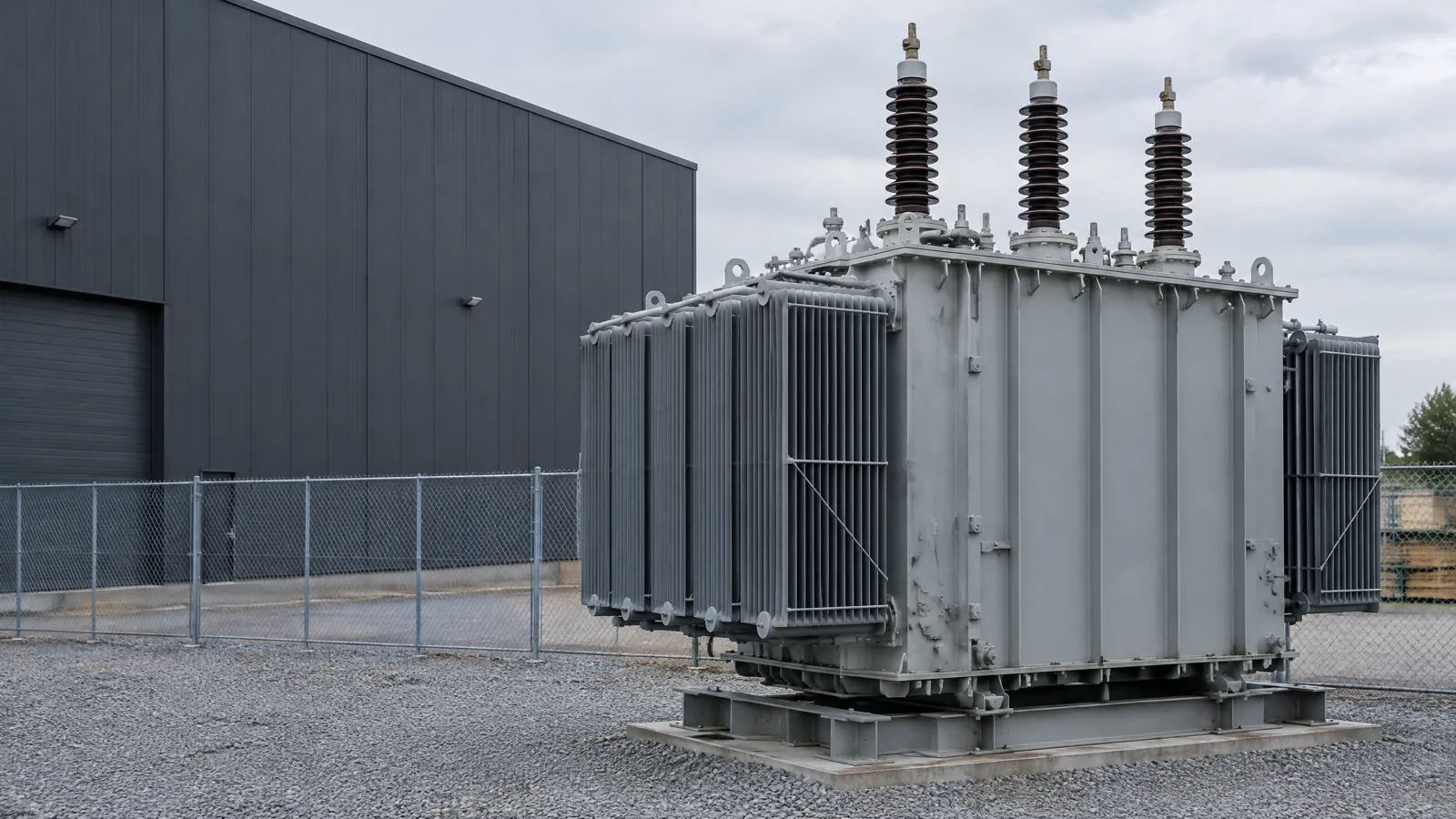
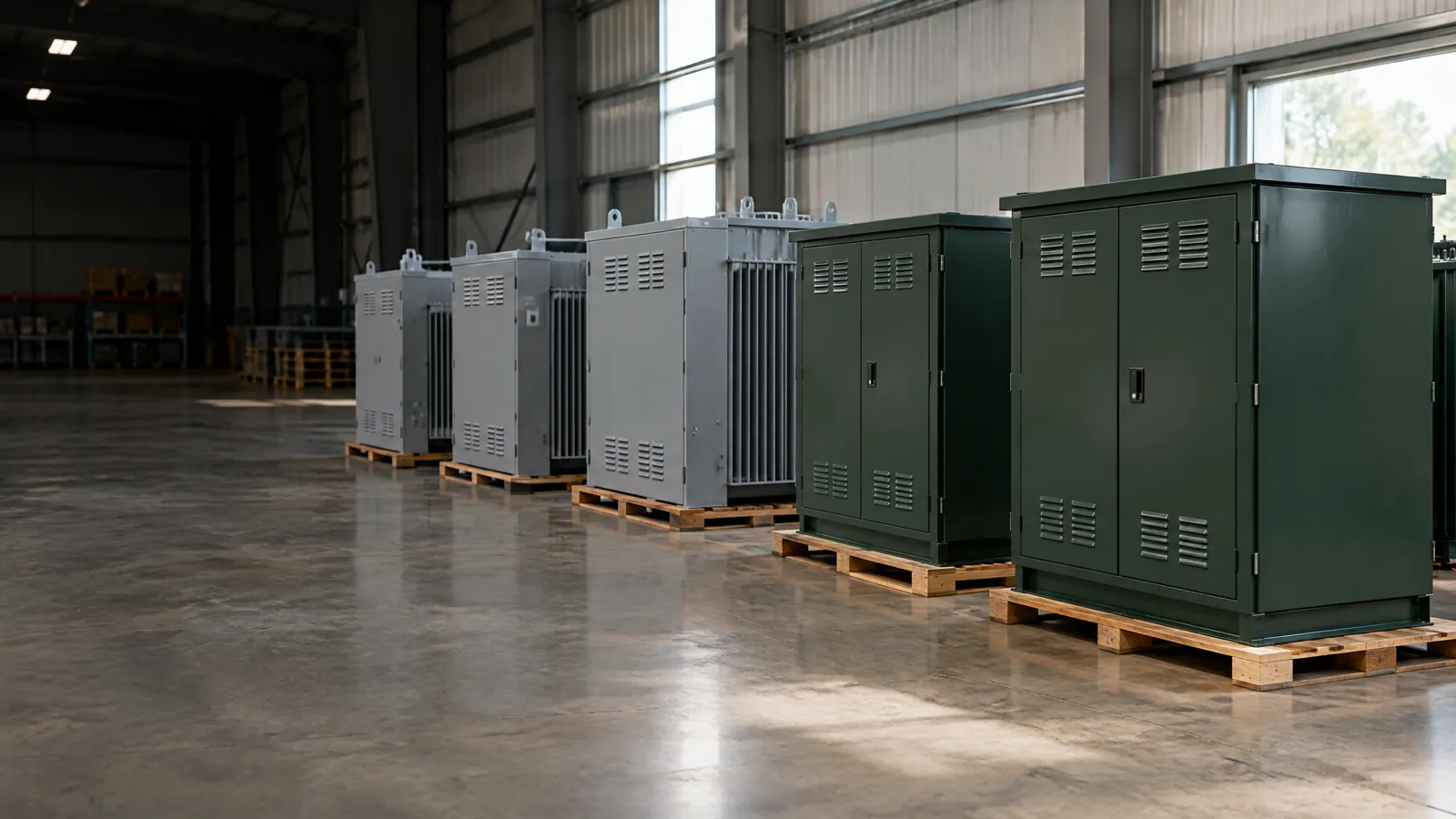
A transformer removed during an upgrade is not the same as one retired after a fault. Surplus Valve Buyer is an independent, Houston-based surplus equipment purchase review business. We review used transformers for potential acquisition, including units that may be suitable for reuse. Tell us what you have, where it is, and why it came out of service. You do not need a complete technical package to start a conversation. Operating history, available test reports, physical condition, and fluid documentation help establish what can be reviewed next. Purchase eligibility and any offer depend on the individual unit; removal alone does not establish value or condition.
Explain what “used” means for your transformer
Tell us whether the transformer was operating when retired, shut down after a problem, or acquired with an unknown history. Equipment removed for a facility expansion deserves a different description from equipment removed after repeated trips. If you cannot verify its last operating condition, say so rather than describing it as working.
Include the approximate service dates and removal date if available. “Previously energized,” “removed,” and “tested” answer different questions.
Identify the unit without guessing its ratings
An existing nameplate photo helps distinguish a dry-type transformer from a liquid-filled unit and establish its actual rating. Share the manufacturer, identifying number, kVA, primary and secondary voltages, phase, and frequency when readable.
For illustration, Eaton's current general-purpose dry-type guide includes a 75 kVA three-phase example using a 480 V delta primary and 208Y/120 V secondary. That is an identification example, not an acceptance promise. We do not represent Eaton or imply that every used transformer matches this configuration.
Give the operating history that records cannot replace
Explain the former application and why the unit became surplus. Useful context includes whether it served continuously or intermittently, known overload events, recurring overheating, unusual noise, and maintenance or repair work. Share recorded loading information if you have it; an estimate should be identified as an estimate.
A maintenance log can connect a test result to what happened afterward. State whether the transformer continued operating after that test, underwent repairs, or experienced a later fault.
Send actual test reports, not just “tested good”
Existing reports are more useful than an unsupported pass statement. Send complete records showing the test date, transformer identity, testing organization, results, and any qualifications or recommendations. Electrical records might include turns-ratio, winding-resistance, or insulation-resistance results. Which records matter depends on the transformer and its history.
Eaton describes factory production tests for its dry-type units, but a factory test is not proof of present used condition. A report from before a failure or long storage period also needs context. Do not energize or perform electrical tests just to prepare an inquiry.
Keep oil condition and PCB documentation separate
For liquid-filled equipment, provide the known fluid type and existing laboratory reports. Dissolved gas analysis, or DGA, examines gases in oil to help investigate faults; it is not a PCB concentration test. Dry-type units should not be described as having transformer-oil records.
EPA's rules allow PCB concentration to be established by testing or qualifying manufacturer documentation together with servicing-fluid records. The rules also contain specific assumptions when information is unknown. We do not infer actual concentration from age alone. Send the evidence you have; unknown status and fluid eligibility require case-by-case review.
Disclose failure and repair before discussing value
Report known winding damage, a fire or fault event, leakage, damaged bushings, or unsuccessful repairs at the outset. If a protection device operated and the cause was never established, describe that uncertainty instead of assuming the transformer itself is sound.
Include repair invoices and subsequent reports when available. Repaired, failed, and untested equipment should not be presented as interchangeable. Disclosure helps separate a possible reuse review from a scrap or disposal question. Failed equipment may be reviewed, but no purchase or recovery value is guaranteed, and environmental restrictions can affect the available route.
Describe storage and what is still included
Explain where the transformer has been stored since removal and whether it encountered rain, flooding, impact, or other known damage. Safe exterior photos can show the enclosure or tank, visible corrosion, damaged fittings, and identification labels.
State what is missing or detached, including covers, radiators, bushings, fans, gauges, or other original components where applicable. Match detached items and records to the correct unit. With multiple transformers, keep each serial number, condition description, and report together so one unit's history is not assigned to another.
Consider reuse before assuming metal-only value
An intact used transformer with identifiable ratings and credible condition records may warrant a reuse assessment rather than an immediate metal-only assumption. That does not mean every retired transformer is reusable. Technical suitability, repair needs, documentation, and the costs associated with the individual unit can change the purchase decision.
Leave the unit intact while its options are discussed; do not strip it or drain fluid to make it easier to sell. EPA regulates disposal of used oil containing PCBs at 50 ppm or greater and prohibits dilution to evade those requirements. Fluid handling is not routine scrap preparation.
Keep electrical work separate from the sales inquiry
Tell us whether the unit remains installed, has been removed, or is awaiting professional isolation. Do not open compartments, reach near terminals, or approach potentially energized equipment to obtain a better photograph. Qualified personnel must handle electrical work and determine safe access under the applicable site procedures.
Describe the location and known access limitations from existing information. A purchase review does not include an automatic disconnection, rigging, loading, or pickup commitment. Those responsibilities, along with any testing or environmental requirements, must be established separately before equipment is moved.
Start small, then clarify the proposed sale
A first message can simply identify the transformer, your location, its current status, and the reason for selling. If you lack reports or cannot safely obtain photos, tell us what information is available.
If the unit appears suitable for further review, clarify ownership authority, included components, known defects, and the proposed handover condition. Any purchase terms need to address outstanding inspections, transport responsibilities, and payment conditions. Contact does not guarantee an offer, purchase, or removal service.