Electrical Wire and Cable Buyers
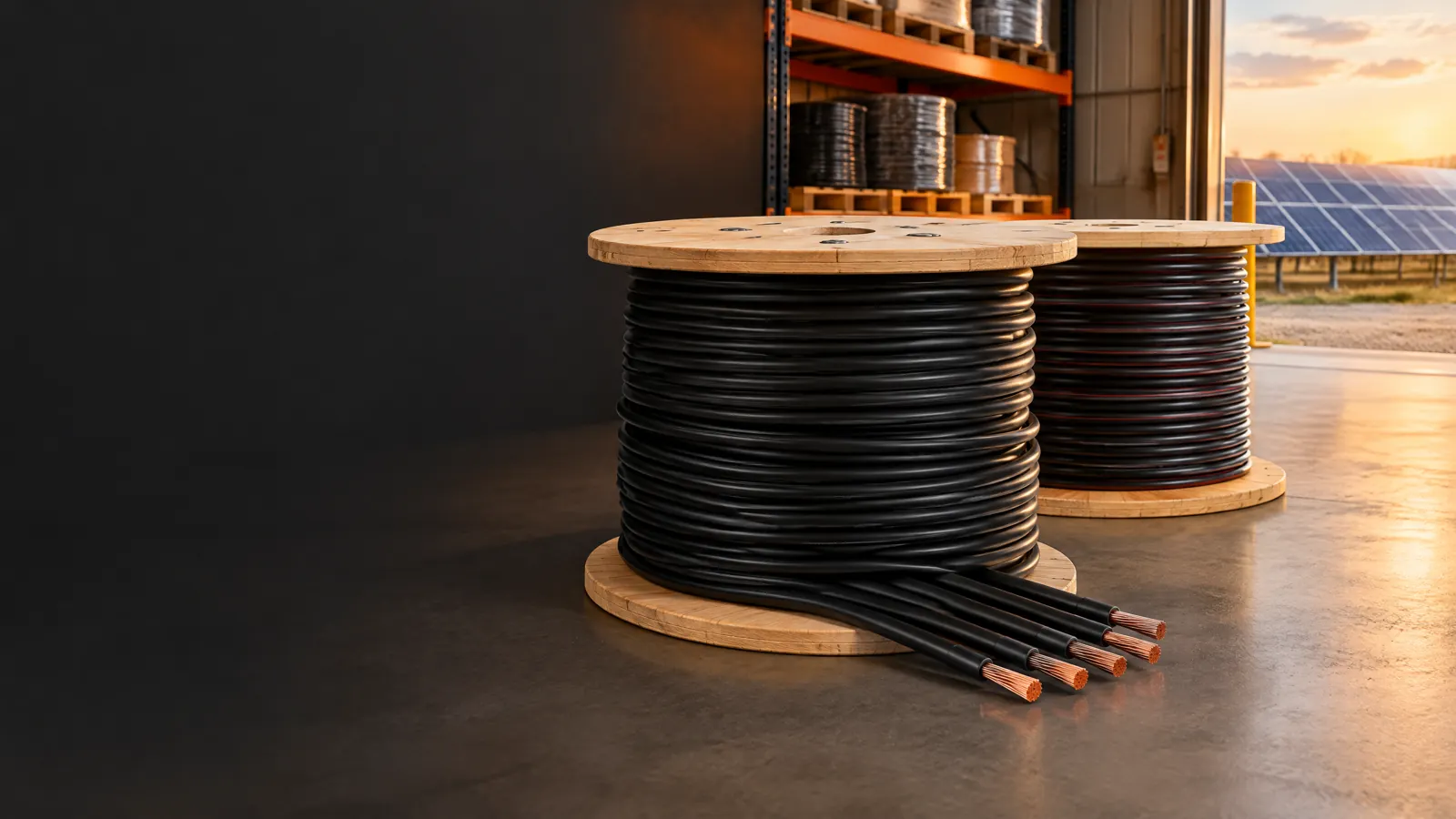
Surplus Valve Buyer buys wire and cable as part of our industrial surplus acquisition work. If you have unused electrical wire, excess cable reels, or identifiable project leftovers, contact us for a purchase review. We work with electricians, contractors, distributors, plants, and inventory owners. Start with the cable markings, approximate length, condition, and city. Our review focuses on documented material with a potential reuse market, not an assumed scrap-metal purchase.
Start with building wire and feeder cable
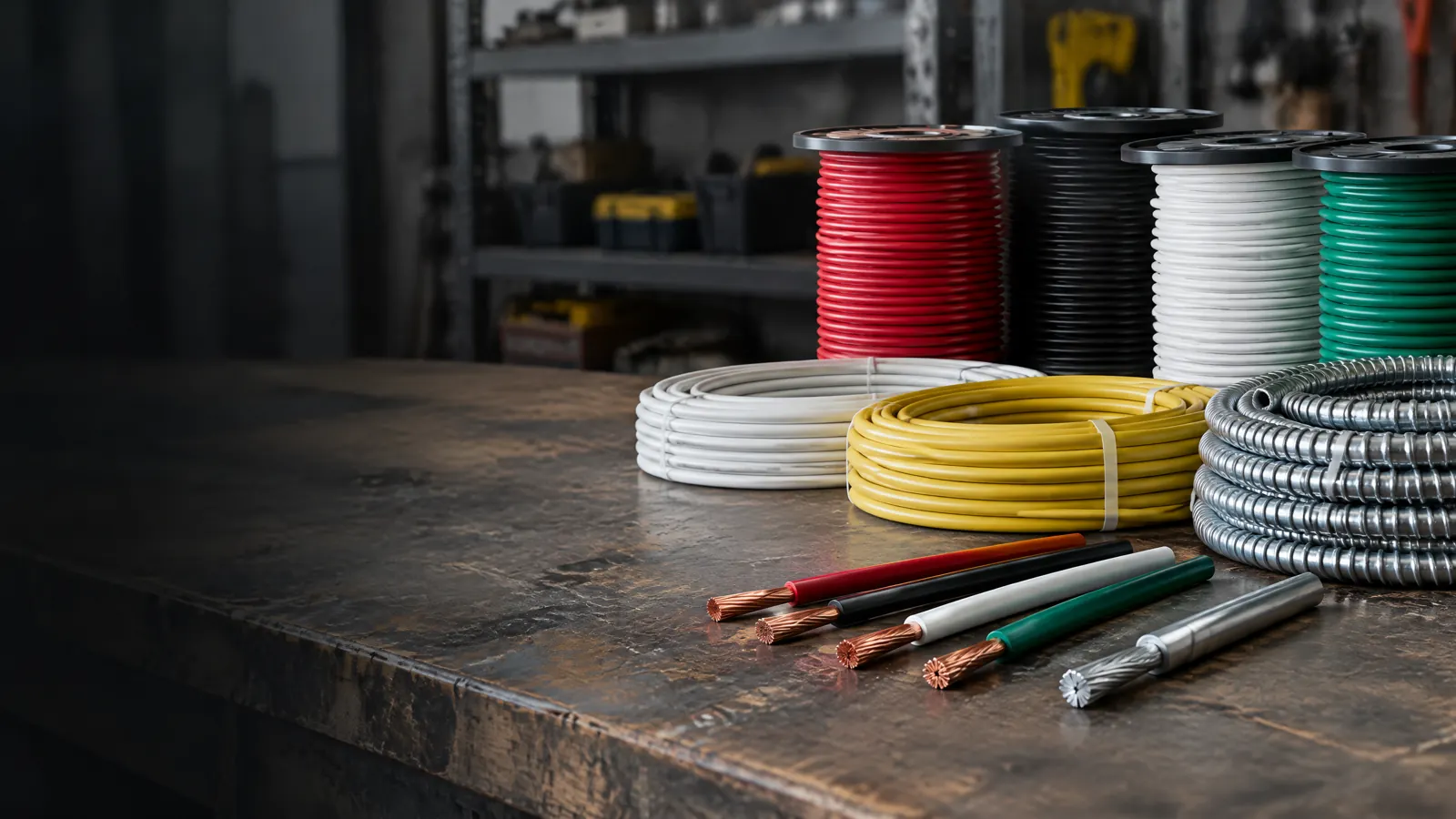
Start our wire and cable purchase review with identifiable building wire and feeder inventory. Common families to identify include THHN/THWN-2 and XHHW-2 single conductors, copper or aluminum feeder stock, and metal-clad cable marked MC. Group matching products together, but keep different materials, sizes, insulation types, and voltage ratings separate. A reel described only as ‘heavy copper wire’ leaves important questions unanswered.
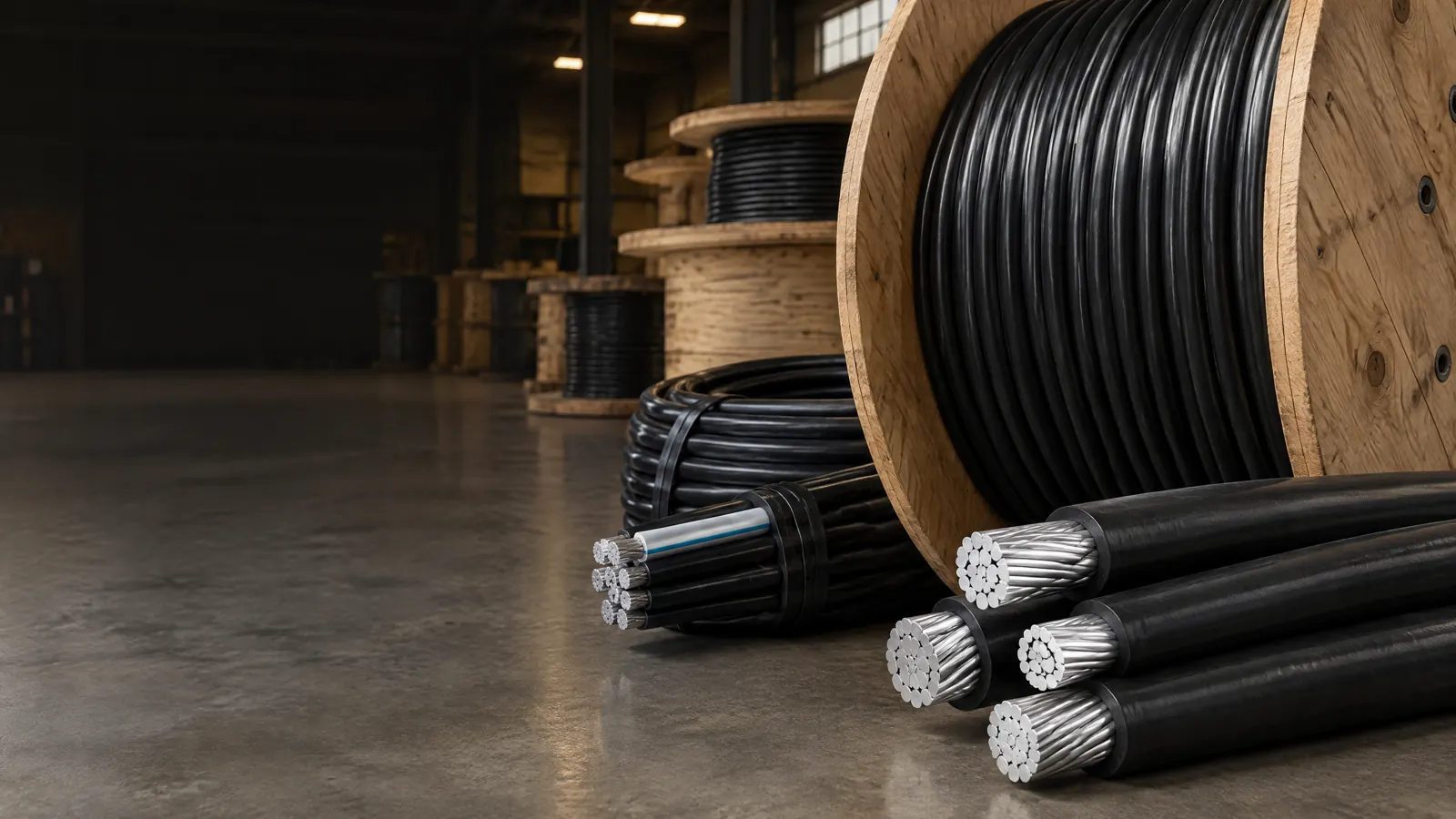
For service-entrance and utility-style inventory, record the exact SER, SEU, USE-2, RHH/RHW-2, MHF, or URD identification shown on the product. These labels do not describe interchangeable cable. ‘URD’ alone does not establish a particular listing or direct-burial rating; actual markings, certification, and manufacturer specifications control.
Unused NM-B and UF-B leftovers can also be presented for review. Identify them separately: NM-B is dry-location cable, not wet-location cable. Record conductor sizes and count, including the ground, instead of treating all jacketed residential cable as one product.
Identify industrial and specialty cable separately
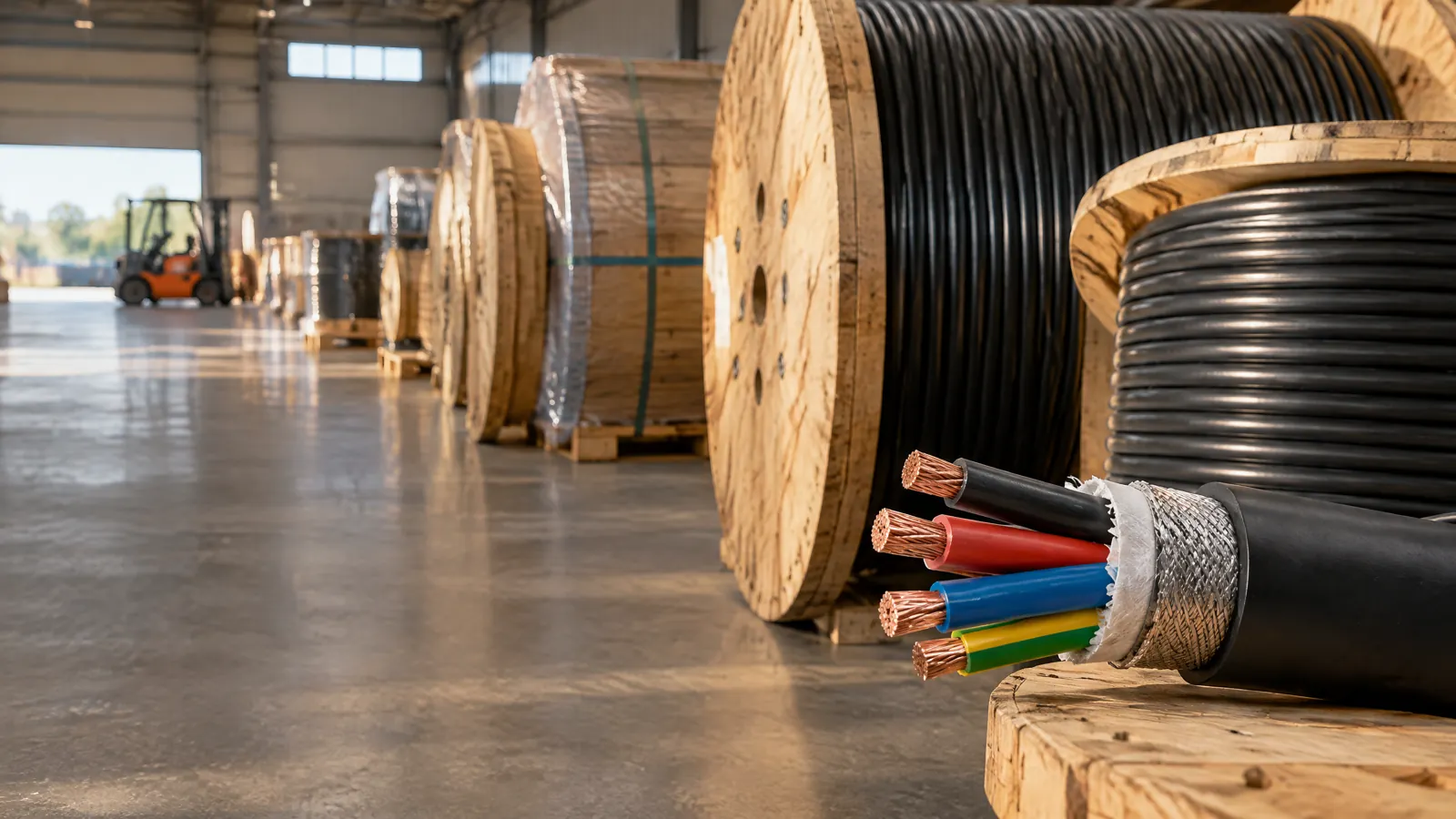
For plant storerooms and larger project closeouts, separate tray, control, instrumentation, armored, and medium-voltage cable from ordinary building wire. Copy the complete type designation, such as TC or PLTC when present. Include conductor count, conductor size, shielding details shown in the documentation, and the printed voltage rating. A manufacturer's part number or original specification sheet can help identify constructions that look similar externally.
List communications cable and fiber-optic inventory separately if they are part of the lot. Fiber count is not copper conductor count, and fiber is not metal wire. Specialty inventory needs its own assessment; including it in a list does not guarantee a purchase.
Read the markings, not just the color
Copy the repeated printing on the insulation or outer jacket and the original reel tag, if available. Useful details include manufacturer, product number, cable type, conductor material, AWG or kcmil size, voltage, and listing or certification markings. Preserve the complete rating string: a THHN/THWN-2 marking provides more information than a seller's shorthand ‘THHN.’ Color alone is not sufficient identification.
Distinguish copper, aluminum, and copper-clad aluminum explicitly. Copper-clad aluminum is not solid copper, and a metallic appearance is not proof of composition. If the material is uncertain, say so rather than guessing. Manufacturer and brand names help identify stock; they do not imply that Surplus Valve Buyer is an authorized distributor or affiliated with the manufacturer.
Full reels, partial spools, and leftover lengths
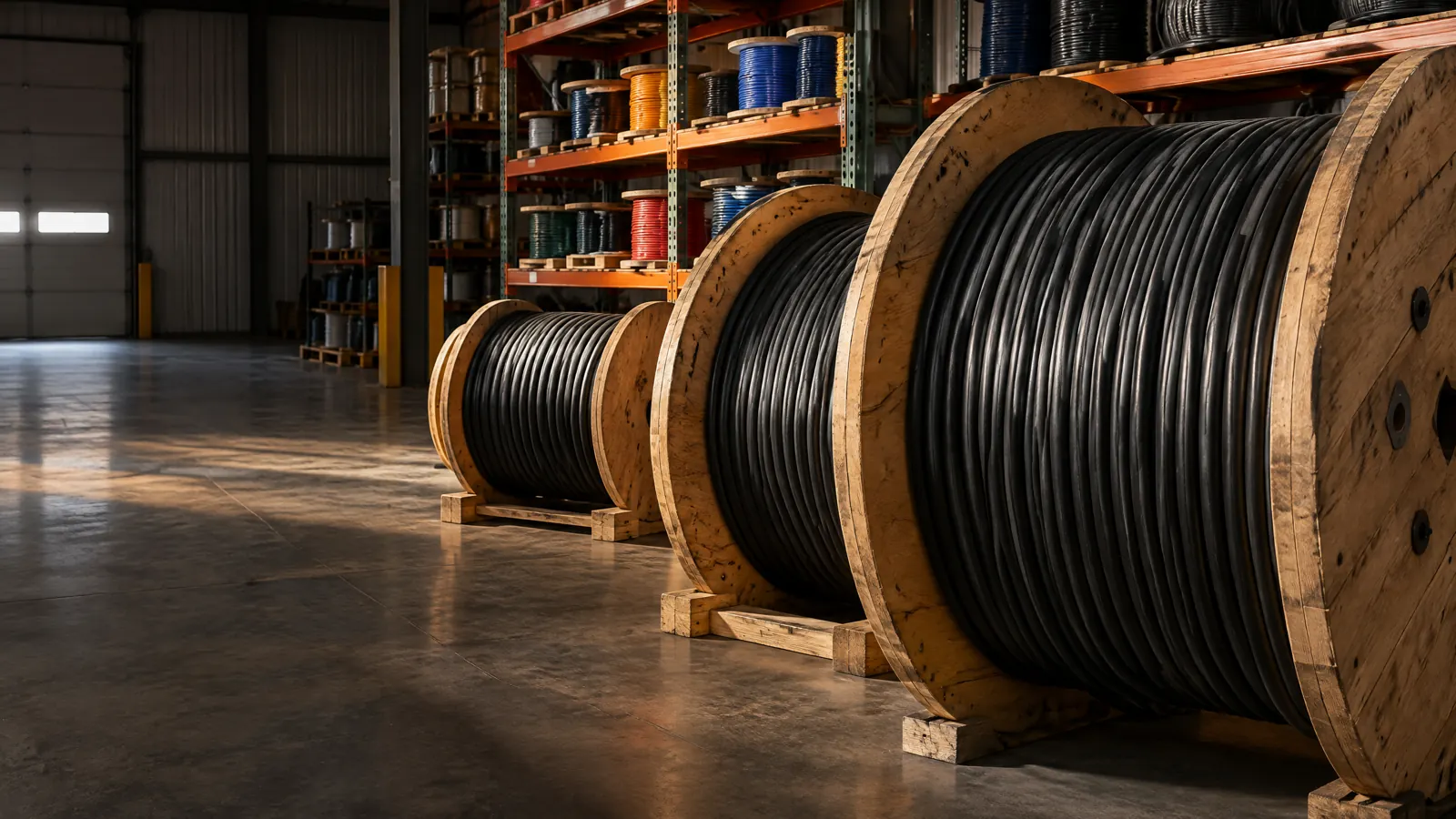
An unopened reel and a partial spool are different inventory descriptions. Give the remaining continuous length on each reel, not just the original factory quantity. Distinguish measured footage, footage supported by records, and an estimate. A tag showing an original reel length does not prove how much remains after a project.
Describe cut lengths individually or group genuinely matching lengths with clear quantities. Ten separate pieces are not equivalent to one continuous length with the same combined footage. Tell us if material has been rewound or contains a splice. Retain available tags and purchase records; do not strip insulation or cut usable cable merely to prepare a submission.
Reusable surplus is not the same as damaged scrap
Unused over-orders, canceled-project stock, and documented leftover lengths may have a reuse opportunity when their identity and condition can be established. Describe whether the cable is factory-sealed, opened but unused, stored for years, or previously installed and removed. Age alone does not establish condition, and ‘unused’ does not mean unaffected by storage or exposure.
Disclose cracked insulation, crushed cable, corrosion, damaged reel flanges, exposed ends, and any known water, fire, chemical, or prolonged outdoor exposure. Southwire notes that moisture intrusion can compromise cable even when it has wet-location or direct-burial ratings. Damaged, burned, stripped, or mixed short pieces should not be represented as reusable inventory. Scrap purchasing and recycling services are not confirmed for our wire review; do not assume we accept material by metal weight.
Who buys surplus wire—and who sells it?
Buyers serving a reuse market assess cable as an identified product, while scrap buyers assess material through a different purchasing channel. Some businesses advertise both, but their policies are not universal. A marketplace listing is also different from a direct purchase review: listing inventory does not itself create a buyer or an offer.
Electricians and contractors may have over-ordered reels or project-closeout lengths. Distributors may hold unopened stock from branch consolidation or discontinued inventory. Plants may release documented maintenance spares or canceled expansion materials. Tell us which situation applies and whether you own the cable or have authority from the owner to sell it.
What to include in your first call or email
A short message is enough to begin. Include the printed cable type, copper or aluminum designation or other identified material, AWG/kcmil size, conductor or core count, voltage, number of reels, and remaining length per reel. For assemblies with unequal sizes, copy the complete size sequence and identify the neutral and ground from available documentation rather than reporting one size for everything.
Add the condition, storage history, ownership or sale authority, and the city and state where the inventory is located. Photos are optional; if convenient, a reel view, tag, and readable section of cable printing are useful. You do not need a complex form or a polished spreadsheet. For a mixed lot, a simple itemized email is preferable to one combined footage total.
Request our wire and cable purchase review
Call Surplus Valve Buyer at (951) 403-5738 or email industrial832@gmail.com with what you have. We review the identity, condition, quantity, remaining lengths, location, and purchasing fit. We may ask for missing markings or clarification before discussing an offer. Unknown footage or missing tags should be disclosed at the start, not filled in with assumptions.
A submitted list is not automatic acceptance. Pricing, inspection requirements, payment terms, and any transportation arrangements must be discussed for the particular lot. Do not ship material or assume pickup is scheduled without agreement. Our purchase review is not an installation assessment or a certification that cable is suitable for a particular electrical application.