Low-Voltage Switchgear Buyers
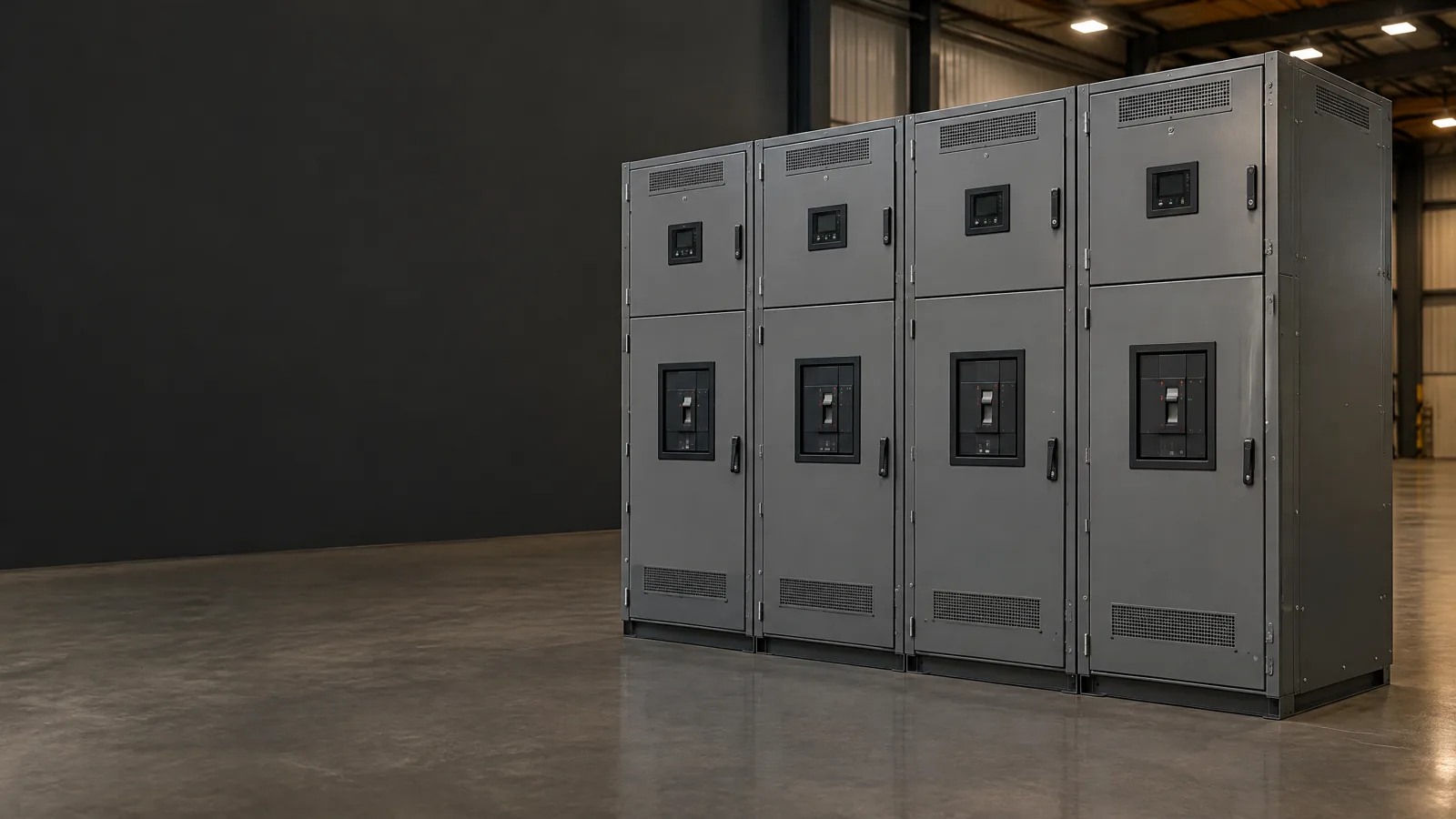
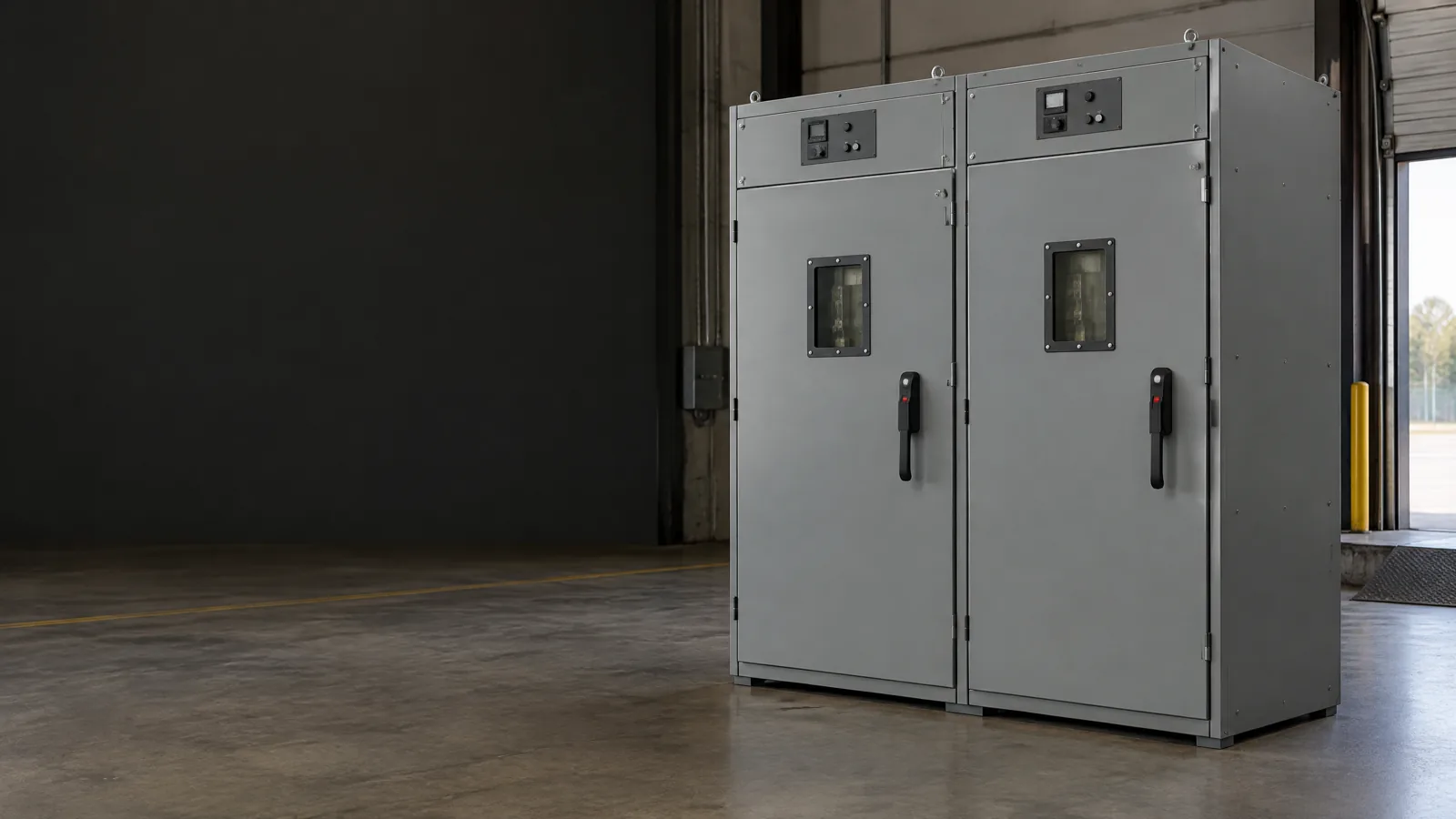
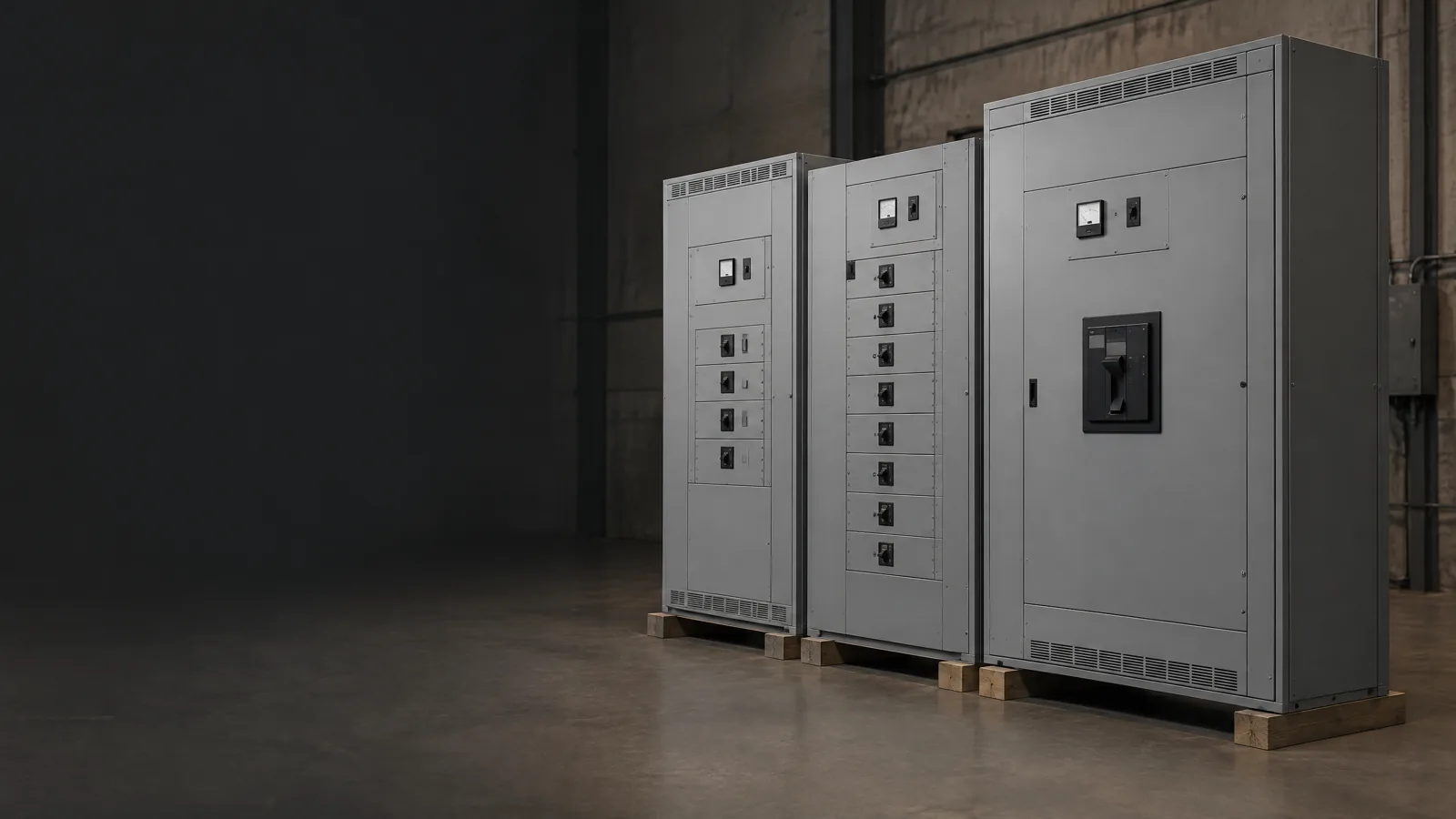
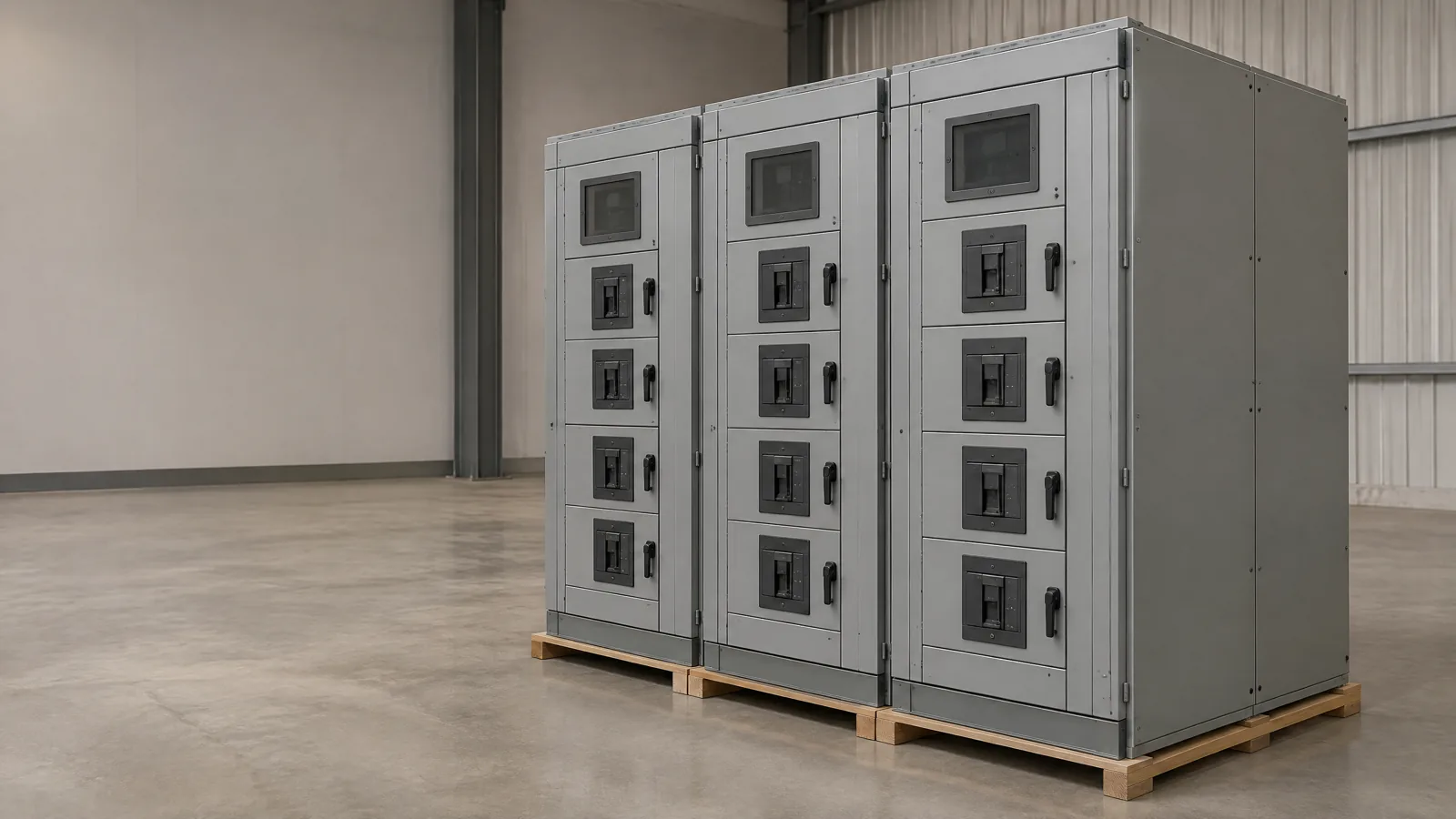
Surplus Valve Buyer buys qualifying surplus low-voltage switchgear from owners looking to sell unused or retired electrical distribution equipment. We are a Houston-based independent surplus buyer, not a manufacturer representative. Tell us whether you have a complete lineup, individual sections or loose power circuit breakers. We review eligibility and sale terms for each lot, including its identity, condition and completeness. This page focuses on metal-enclosed power circuit-breaker switchgear rather than treating every distribution cabinet as the same product.
Sell a lineup, sections or spare power breakers
A replacement project can leave a complete switchgear lineup available, while a canceled installation may leave unused sections or spare drawout breakers. Describe the equipment as it exists today. A lineup with its breakers installed is a different lot from empty compartments and separately stored breaker elements. Identify which parts are included rather than assuming everything from the original installation remains.
When offering unused project equipment or removed gear, define the lot before discussing a price. List complete assemblies, individual sections and spare breakers separately, with their available identification. Surplus Valve Buyer reviews the specific surplus you offer and confirms whether it fits a purchase; appearance or age alone does not establish acceptance or value.
UL 1558 switchgear is not a UL 891 switchboard
Eaton identifies UL 1558 as the standard for metal-enclosed low-voltage power circuit-breaker switchgear and UL 891 as the standard for switchboards. The distinction matters when you sell. Power circuit breakers used in switchgear are tested to UL 1066, while molded-case and insulated-case breakers used in switchboards are generally associated with UL 489.
Do not classify a cabinet only by its size, voltage or removable breaker. Switchboards can also have drawout devices, and front-access switchgear exists. Use the assembly label, manufacturer series and available drawings to identify the equipment. If records say switchboard, share that wording instead of relabeling it as switchgear to attract a buyer.
Separate 480V service from the maximum assembly rating
When describing 480V or 600V switchgear, separate the nominal system voltage from the maximum design rating. Siemens' Type WL guide lists 480 V and 600 V among nominal system choices, while distinguishing a 635 V maximum design voltage for non-fused breakers from 600 V for fused breakers. Those are different fields, not conflicting descriptions of the same rating.
Report the actual assembly information and identify whether breakers are fused or non-fused. Do not assume a breaker voltage label establishes every rating of the surrounding lineup. Manufacturer examples help interpret records; they are not automatic buying criteria or proof that every voltage, bus-current and breaker combination was available.
Bus amps, breaker frame and fault ratings differ
Continuous bus amperes describe the assembly's current-carrying rating. Breaker frame amperes and the installed rating plug or trip configuration describe different parts of the breaker. Siemens lists these separately, so a large frame does not by itself tell a buyer the installed trip rating. Keep horizontal main bus and vertical bus information separate when the records provide both.
Fault ratings expressed in kA are not continuous load amperes. Preserve the distinction between assembly short-circuit withstand, breaker interrupting capacity and short-time withstand, including its duration and voltage. An insulation or BIL field, if documented, belongs separately; never substitute it for operating voltage or fault current. Copy exact labels rather than combining unlike ratings.
Identify drawout breakers and their matching compartments
A drawout breaker element and its compartment are related assets, not interchangeable descriptions. Eaton explains that low-voltage power breakers connect through primary contacts and that the switchgear separates breaker, bus and cable compartments. When offering loose breakers, give the manufacturer, series, catalog information and trip-unit model from existing records or safely accessible labels.
For sections, state whether the matching breaker elements, cradles and secondary connections remain. Note missing doors, shutters or accessories if known. A seller inventory should distinguish complete assemblies from breaker-only lots and empty cells. Do not assume two breakers with the same frame amperes fit the same compartment or provide equivalent protection.
Describe mains, ties and feeders by section
A section-by-section description is more useful than calling an entire lineup a main breaker. Siemens' guide shows distinct main, tie and feeder arrangements, including sections that combine more than one breaker role. State the number of incoming mains, any bus-tie breaker and the feeder breakers included. An existing single-line drawing can help identify the arrangement without guessing from the cabinet exterior.
Keep section numbers linked to breaker identifiers, especially if the gear has already been separated. Identify spare compartments and any removed sections. Tell us whether control and metering components remain with the lot. This helps distinguish the offered equipment from the original facility design and avoids counting breakers that stayed in service elsewhere.
Condition and completeness shape the sale discussion
Describe unused equipment, operating pulls and long-stored gear accurately. Include known water exposure, corrosion, overheating, damaged insulation, missing trip units or modifications. Existing maintenance and test records can explain the history, but their dates and equipment identifiers matter. Do not describe a lineup as tested or ready for service merely because it operated before removal.
Your lot requires its own review of identity, condition and completeness. For our discussion, separate known facts from assumptions and mention missing documentation. Describe the original equipment alongside any later modifications or substituted parts. Older equipment is not automatically valuable, and unused equipment is not automatically acceptable. Identifiable components and an accurate inventory give us a clearer basis for considering your sale.
Plan qualified decommissioning and the removal scope
You can discuss a future sale before a shutdown, but equipment removal must follow qualified, safe decommissioning. OSHA requires appropriate electrical isolation and lockout or tagging procedures, with verification of the deenergized condition by a qualified person. An open breaker or a cabinet marked out of service is not a substitute for that process. Do not open energized gear, rack breakers or perform live tests to support a sales inquiry.
Tell us whether the lineup remains installed or has been safely disconnected and separated. Describe front or rear access, known shipping splits and site constraints from existing plans. Agree who handles decommissioning, rigging, loading and transportation before work begins; these responsibilities are not assumed to be included.
Contact Surplus Valve Buyer about your lot
Call (951)403-5738 or email industrial832@gmail.com. Start with the equipment type, manufacturer if known, approximate quantity, location and whether it is installed or already removed. We buy qualifying surplus from sellers; this is not a catalog offering equipment for you to purchase. You can begin with a simple conversation rather than a completed technical inventory.
Before committing to a sale, confirm the included assets, agreed condition, price, payment terms and removal responsibilities. Eligibility and transaction terms are confirmed per lot. Keep any sections or breaker elements excluded from the sale clearly identified so both parties understand the scope.