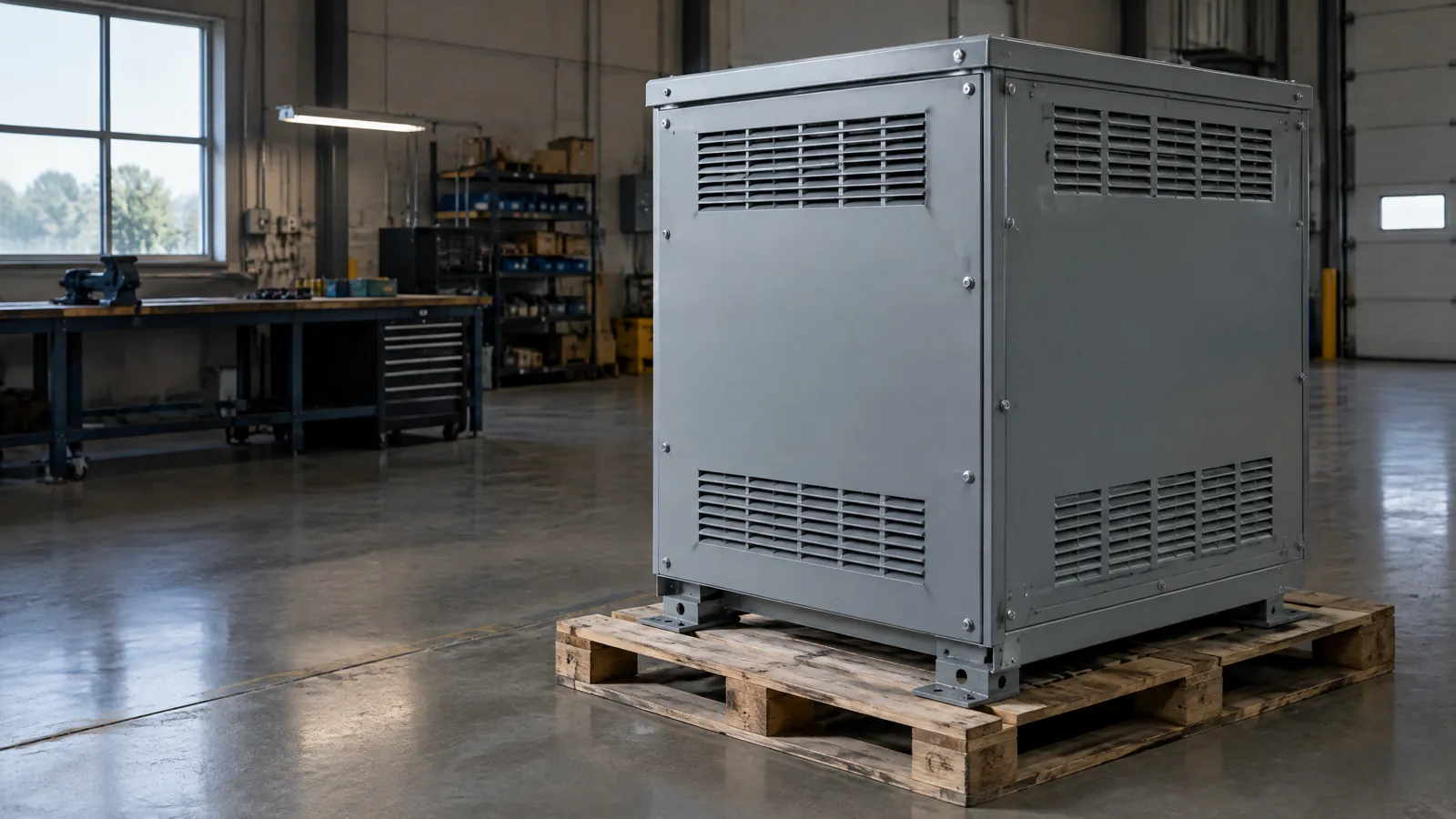
Dry-Type Transformer Buyers
Have a dry-type transformer left from a building upgrade, canceled project or equipment replacement? Surplus Valve Buyer is an independent, Houston-based business reviewing reusable used and new surplus equipment for possible purchase. Start with a call or email describing what you have and where it is located. Photos are optional for that first conversation. Ventilated and encapsulated units need different identification details, so a readable nameplate is more useful than a guess based on cabinet size. We review the actual unit, its condition and the proposed sale; a familiar brand or voltage does not guarantee acceptance or an offer.
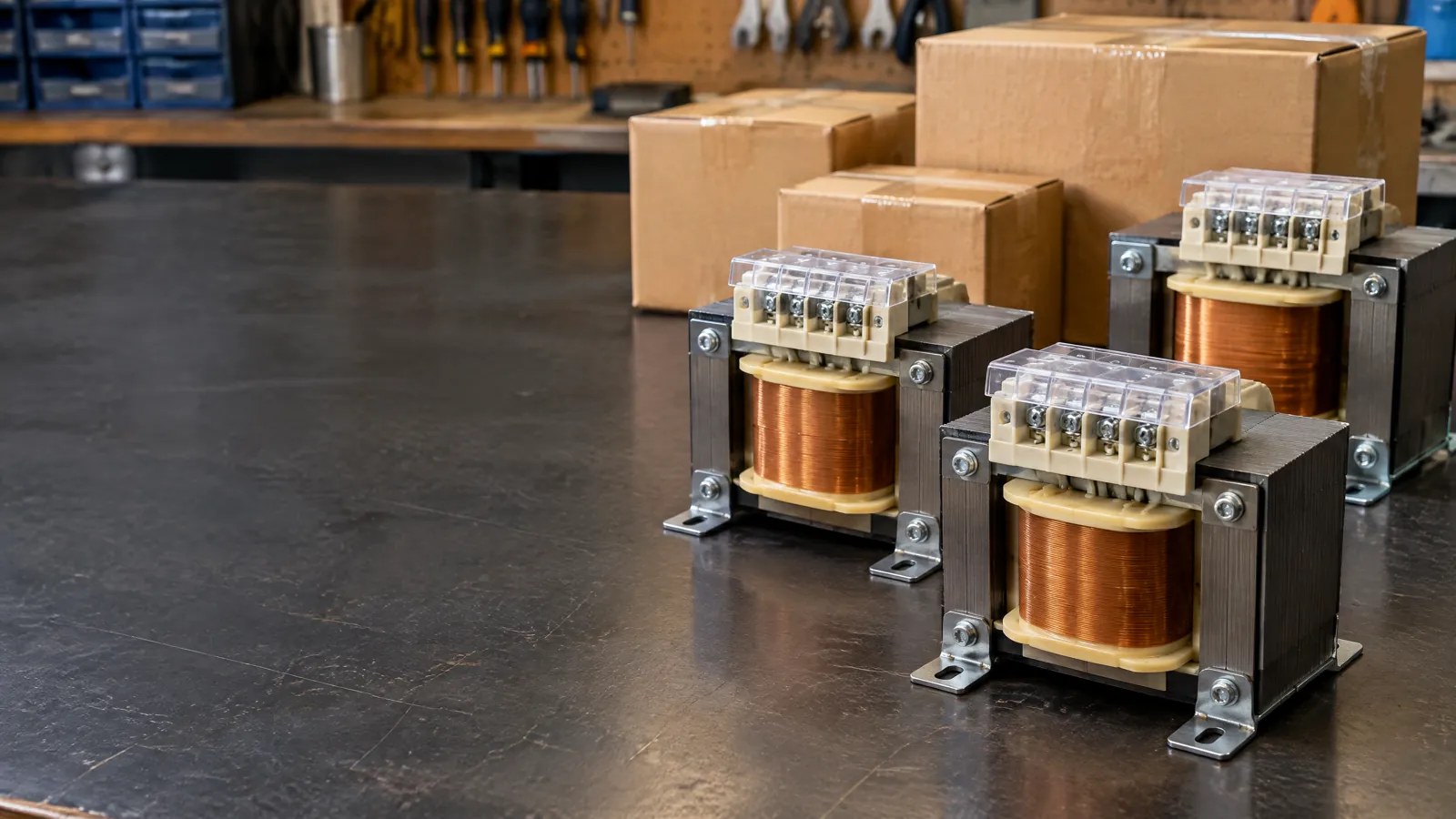
Reusable used units and unused project surplus
Describe whether the transformer was previously energized, remained unused on a project or came from warehouse stock. For used equipment, tell us when it last operated and why it was removed. For unused surplus, explain how it was stored and whether original paperwork remains available.
A transformer can be unused yet have shipping damage or moisture exposure. State what is known without calling an untested transformer fully working. Purchase suitability depends on identification, condition and review, not the word surplus alone.
Identify ventilated versus encapsulated construction
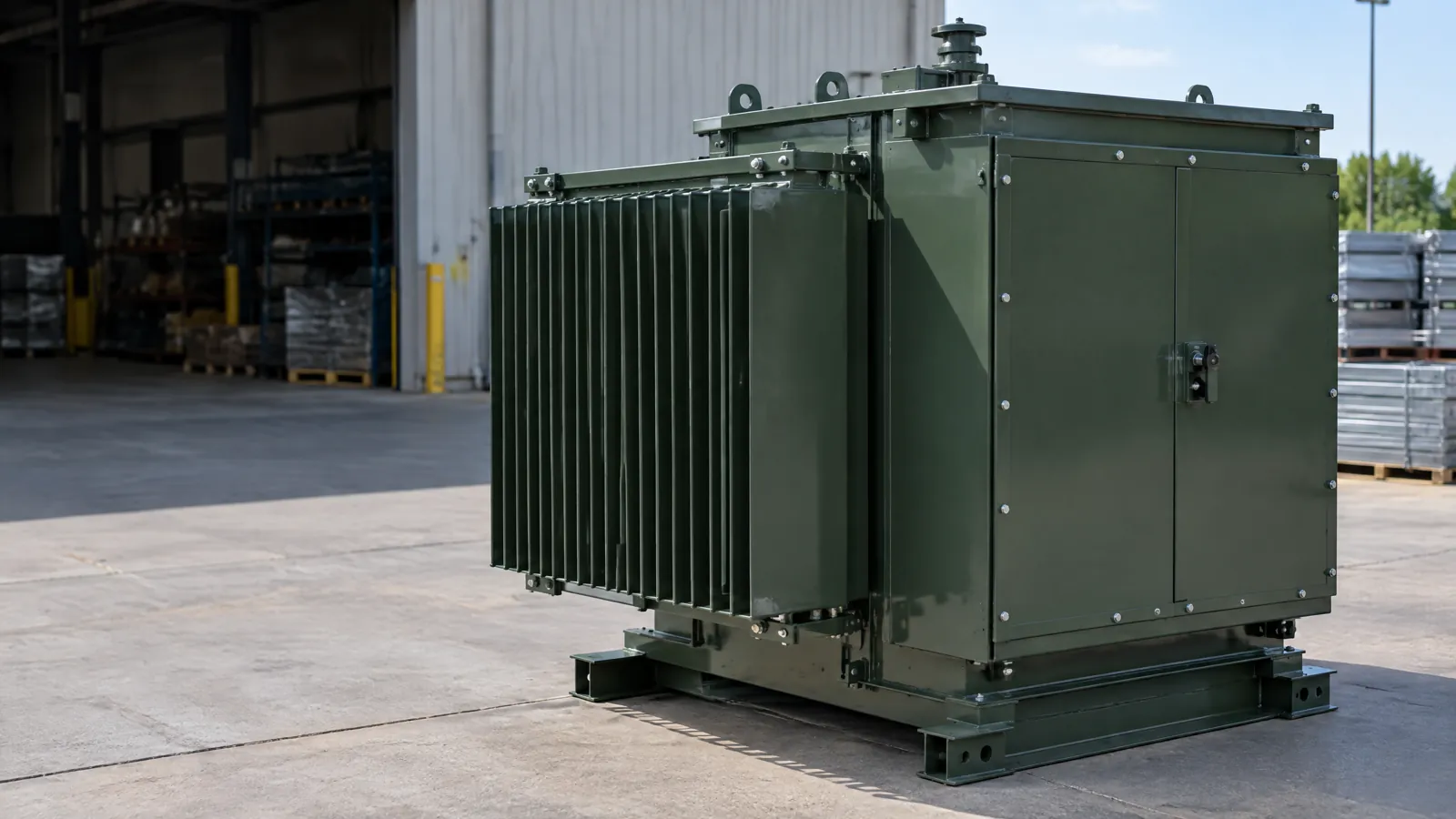
Ventilated dry-type units use a design that allows cooling air circulation. Eaton describes its general-purpose ventilated transformers as two-winding and self-cooled. Hammond Power Solutions describes its commercial encapsulated transformers as having the core and coil completely encapsulated in epoxy and silica. These are construction differences, not interchangeable descriptions of any metal enclosure.
Send the manufacturer's type designation if available. A closed cabinet does not by itself prove encapsulation, and a non-ventilated transformer should not automatically be called cast-coil. If construction is uncertain, say so.
Preserve the complete voltage and phase description
Copy the primary voltage, secondary voltage and phase exactly as marked. Schneider Electric's EXN75T3H is a documented example of a three-phase transformer with a 480 V delta primary and 208Y/120 V secondary. The delta and wye designations matter; reducing that description to 480 to 120 loses identifying information.
Keep the Y, slash and any connection symbols in your notes. These details describe the equipment for purchase review, not instructions for connecting, reversing or energizing it.
Use kVA and catalog numbers together
Capacity alone does not identify a transformer. Eaton's discontinued V48M28T45 is a manufacturer-documented 45 kVA, three-phase ventilated example with 480 V primary, 208Y/120 V secondary and aluminum windings. Schneider Electric's EXN75T3H provides a separate 75 kVA example at the stated delta-to-wye voltages.
Hammond's encapsulated catalog also documents C3F030KBS as a 30 kVA, three-phase 480-to-208Y/120 example. These examples illustrate why the exact catalog number matters. They are not our inventory, preferred sizes or acceptance promises. Supply the serial number too, especially when several similar units share one project location.
Document the enclosure, not just its appearance
Record the enclosure type from the label or matching manufacturer documentation. Eaton's ventilated product family lists standard NEMA 2 enclosures and NEMA 3R with field-installed weathershields. That does not make every ventilated unit suitable for the same environment or establish which accessories are present on your transformer.
Mention missing panels, damaged louvers, corrosion and removed weather accessories. Note whether it was stored indoors or exposed outdoors. Do not describe a cabinet as weatherproof simply because it stood outside; the actual rating, completeness and exposure history are the useful information.
Confirm windings and thermal markings from records
Copper and aluminum winding options exist within manufacturer dry-type product families. Use the nameplate, original data sheet or catalog information matched to the complete model number to identify yours. A copper-colored terminal is not enough information to describe the entire winding. If records do not establish the material, report it as unknown.
Keep temperature rise and insulation class as separate fields rather than merging the numbers. Hammond's general-purpose page, for example, lists a standard 150 °C rise and 220 °C insulation class.
Disclose storage history, damage and available tests
Tell us about flooding, condensation, heavy dust, overheating, unusual noise during prior service or rough handling. Eaton's inspection guidance identifies moisture, cracked insulators, displaced parts and broken connections as conditions requiring attention.
Existing inspection and test reports can add context. Identify their date and the serial number they cover. You do not need to perform new electrical tests for an initial inquiry. Any testing or internal assessment belongs with qualified personnel using appropriate equipment and procedures.
Keep photographs and electrical access safe
Do not remove covers, reach through ventilation openings or approach exposed parts to obtain a better picture. A transformer described as disconnected is not automatically safe to access.
OSHA's electrical work-practice rules address deenergization, lockout/tagout and qualified-person verification, including potential backfeed. Leave electrical isolation, access, testing and removal work to qualified personnel under applicable site procedures. Tell us if the transformer remains installed or connected so the sale discussion does not assume it is already ready for handling.
Resolve uncertain construction or contamination separately
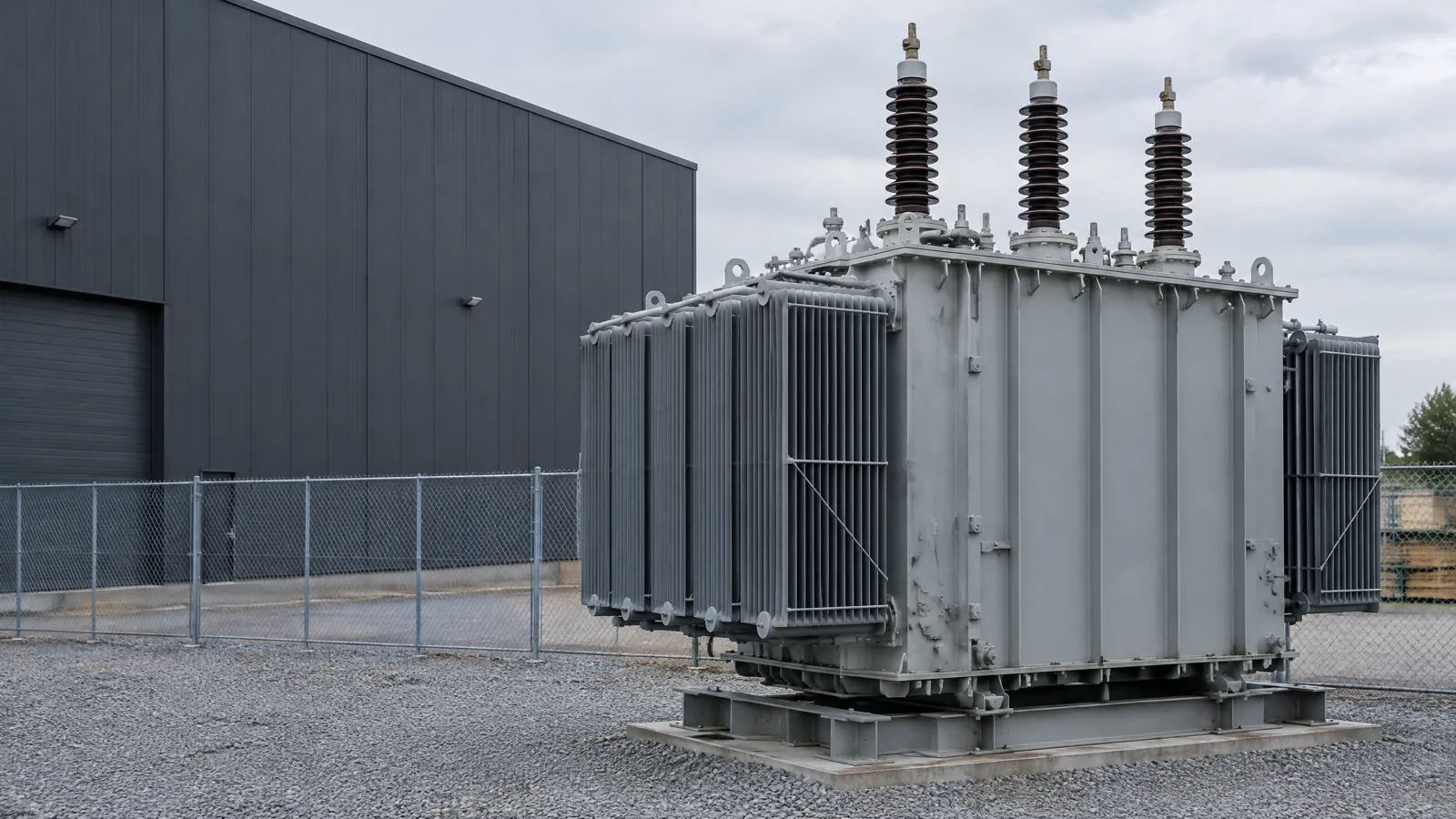
Do not label an unidentified transformer dry-type simply because no fluid is visible. We do not issue a blanket PCB-free statement based on a seller's description, cabinet appearance or manufacturing year.
EPA's rules in 40 CFR Part 761 contain equipment-specific PCB assumptions and documentation requirements where applicable. If the unit proves fluid-filled, has suspected contamination or lacks clear identification, eligibility needs separate case-by-case review. Do not drain, strip or disturb it to prepare for a sale. An initial purchase inquiry is not environmental clearance or disposal authorization.
Start simply, then define the proposed sale
Call (951) 403-5738 or email industrial832@gmail.com with the quantity, location and whatever identification you have. Include whether you own the equipment or are authorized to sell it, and mention any project deadline.
Confirm inspection expectations, payment terms and responsibility for removal, loading and freight before agreeing to a transaction. Surplus Valve Buyer does not represent Eaton, Schneider Electric or Hammond Power Solutions; manufacturer names here identify examples and documentation, not an affiliation.