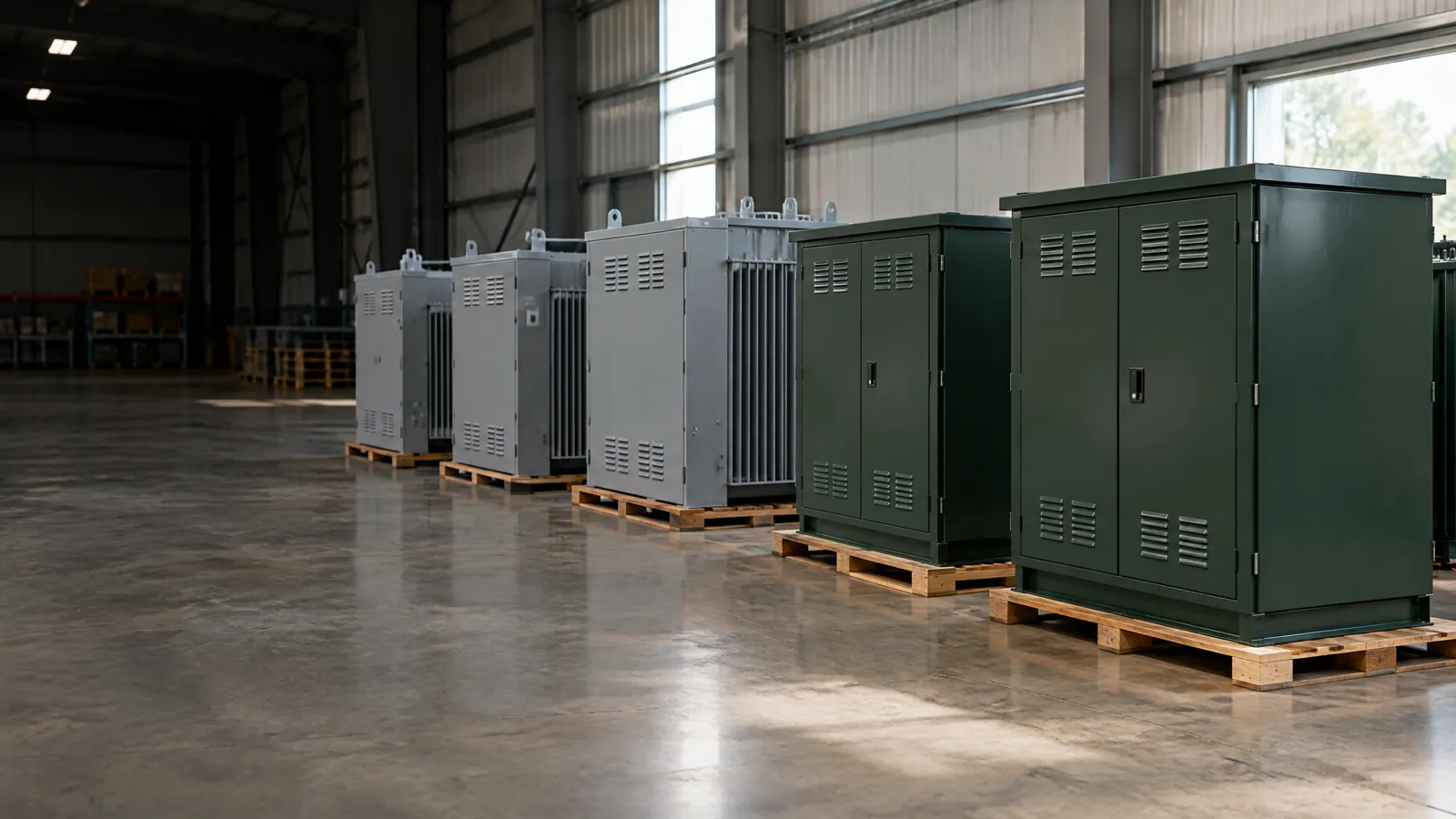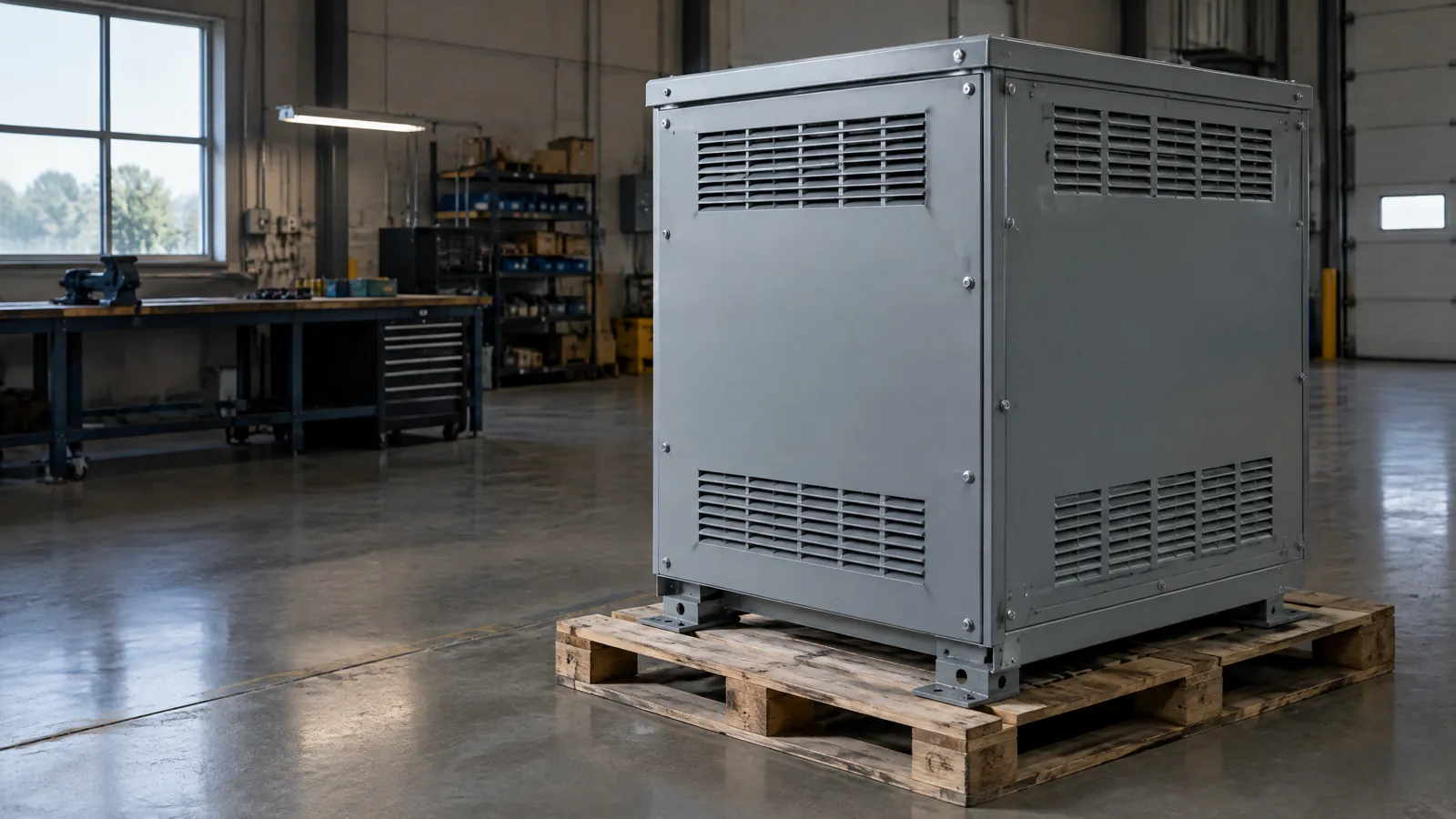
Hammond Power Solutions Transformer Buyers
Have a Hammond Power Solutions transformer left from a canceled project, plant upgrade or spare-equipment shelf? Surplus Valve Buyer is an independent Houston-based business reviewing reusable used and new surplus transformers for purchase. Send the HPS nameplate, quantity and location to start; a polished equipment list is not necessary. Dry-type distribution units, smaller control transformers and specialty designs need different identification details, so we review the actual equipment rather than the Hammond name alone. We are not affiliated with Hammond Power Solutions or Hammond Manufacturing, and a submission does not guarantee an offer.
Confirm which Hammond company made the unit
Hammond Power Solutions and Hammond Manufacturing are separate companies. Hammond Manufacturing states that they split in 2001 and are independently owned and operated. HPS makes industrial dry-type and control transformers; Hammond Manufacturing has a different electronic-transformer and enclosure business.
Read the manufacturer name on the plate or existing paperwork. If an older label says only Hammond, send its full wording and catalog number instead of guessing. This helps distinguish an HPS industrial unit from an electronic transformer that shares the family name.
Dry-type distribution transformers need complete ratings
HPS identifies its general-purpose distribution transformers as rated for 600 volts and below. Its current Sentinel G page lists single-phase and three-phase equipment, with copper and aluminum winding options. Those are manufacturer product-family details, not a list of units we promise to purchase.
For a surplus distribution transformer, supply its own kVA, phase, primary voltage, secondary voltage and frequency. Include the enclosure designation and any special application markings. A larger cabinet does not establish its rating, and the Sentinel name alone does not identify every electrical characteristic.
Document Canadian 600-volt equipment precisely
For sellers holding equipment from Canadian projects, HPS's March 2025 commercial-transformer brochure provides a concrete example: EG3A0075PB is an aluminum-wound, three-phase 75 kVA unit with a 600D primary, 208Y/120 secondary and 60 Hz frequency. This is a manufacturer-listed example, not an acceptance promise.
Keep the delta and wye notation when copying a plate. A 600-volt distribution transformer is not interchangeable with every other 600-volt HPS product. Record where the equipment is located now; a Canadian catalog listing does not establish transport arrangements or suitability for a particular U.S. application.
Separate control transformer lots from distribution units
HPS control transformers serve control circuits and are designed for voltage stability during brief inrush conditions. Current manufacturer documentation identifies C2M molded, C2G open and C2E enclosed styles. The control-and-automation page also identifies legacy Imperator, Spartan and Fusion lines.
For small control-transformer lots, group identical catalog numbers and report the quantity of each. Copy the VA rating exactly rather than treating it as kVA. Include voltage markings and whether units are boxed, loose or still installed. A legacy product label helps locate documentation; it does not by itself establish condition or resale value.
Identify specialty transformers by their actual function
HPS Universal buck-boost transformers and three-phase autotransformers require separate descriptions. HPS lists a Universal voltage-group example of 120/240–12/24 volts. Its autotransformer page lists a 600Y–480Y offering across 3–500 kVA and explains that autotransformers do not provide voltage isolation. These examples do not define purchase eligibility.
Also identify an HPS PowerPlus mini power center as a complete assembly rather than simply a loose transformer. Keep its existing documentation with it. HPS reactors and filters are separate product categories, so do not add their ratings to a transformer lot as though the items were equivalent.
Preserve the catalog number and unit identity
A readable nameplate is more useful than a broad description such as industrial Hammond transformer. Provide the complete catalog number, serial number if present, electrical ratings and quantity. Include suffixes rather than shortening a number to the product family. For mixed lots, associate each plate with the corresponding unit or carton.
Existing purchase records, specification sheets and test reports can fill gaps when a plate is worn. Mark unknown information as unknown. Do not assign another unit's specifications because two enclosures look alike, and do not claim certifications that are absent from the equipment records.
Describe unused surplus and reusable used condition honestly
For unused surplus, explain whether the transformer remains in original packaging, whether it was ever energized and how it was stored. Retain cartons and documentation when available, but do not describe an unverified warehouse unit as factory-new simply because its paint looks clean.
For used HPS equipment, share the reason for removal, known service history and any existing test results. Disclose water exposure, overheating, corrosion, damaged terminals or missing enclosure parts. Current manufacturer efficiency or certification statements do not prove the status of an older unit. Reusability requires review of that particular transformer.
Keep complete equipment available for purchase review
A transformer's potential reuse depends on more than its metal content. Identification, electrical configuration, condition and completeness help determine whether an equipment purchase is practical. Keep existing covers, labels and accessories associated with the correct unit; disclose anything already removed.
We review reusable used and new surplus HPS equipment rather than promising a price from weight alone. Quantity, storage condition and location also affect the discussion. Do not strip windings or dismantle equipment to prepare a submission. Explain its present condition first so the review reflects what is actually available.
Leave electrical work and environmental handling to specialists
Do not open installed equipment or approach exposed electrical parts for sales photos. Qualified personnel should handle electrical assessment and disconnection under applicable safe-work procedures. OSHA's electrical rules address deenergization, lockout/tagout and qualified-person verification; a sales inquiry is not permission to bypass them.
This page focuses on HPS dry-type equipment. If a submitted transformer contains fluid or has uncertain construction, identify that separately. Eligibility is case-by-case. EPA regulates PCBs under 40 CFR Part 761; age or brand alone is not proof of PCB status. Provide available records, and do not drain equipment for review.
Start with a short message and the equipment location
Contact Surplus Valve Buyer at (951) 403-5738 or industrial832@gmail.com. Tell us you have Hammond HPS transformers, approximately how many, whether they are unused or used, and the city or ZIP code. You can begin without photos and send safely obtained identification details later.
Explain whether the equipment is still installed, stored loose or packaged for shipment. Include any removal deadline. Access, disconnection, loading responsibilities and transportation must be discussed before a transaction is agreed. We do not assume that equipment is ready to move or guarantee an offer from the initial message.