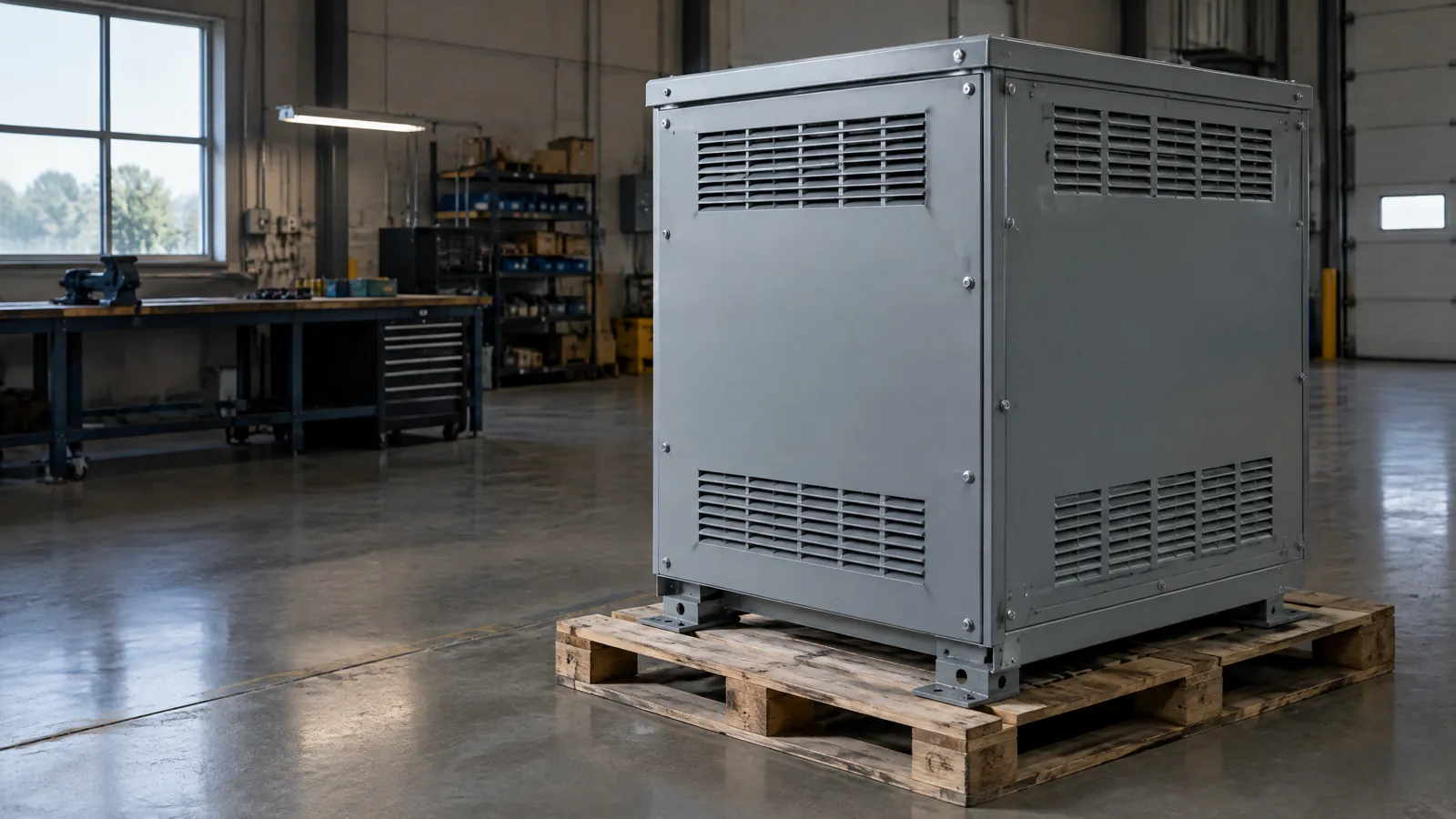
Isolation Transformer Buyers
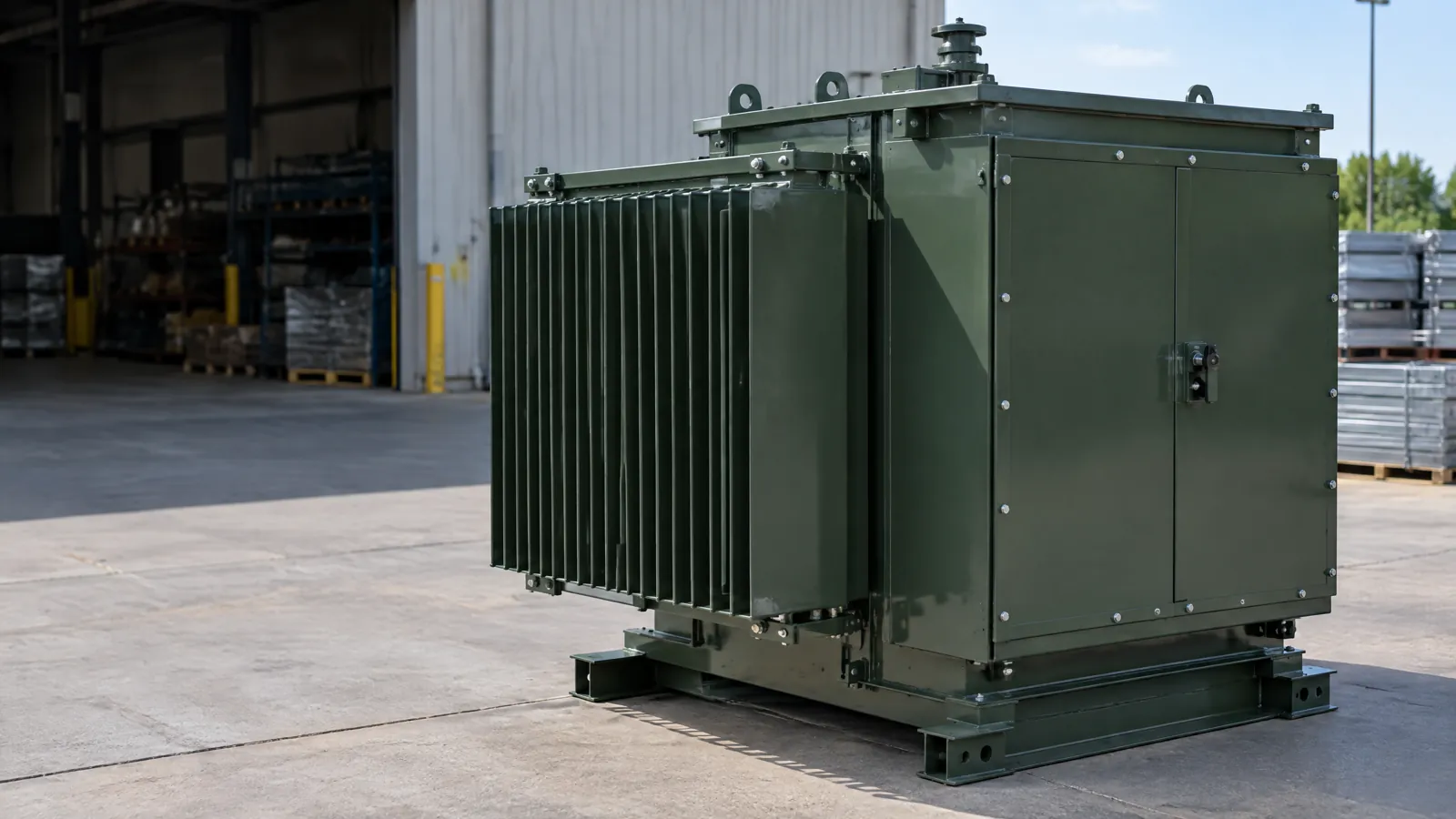
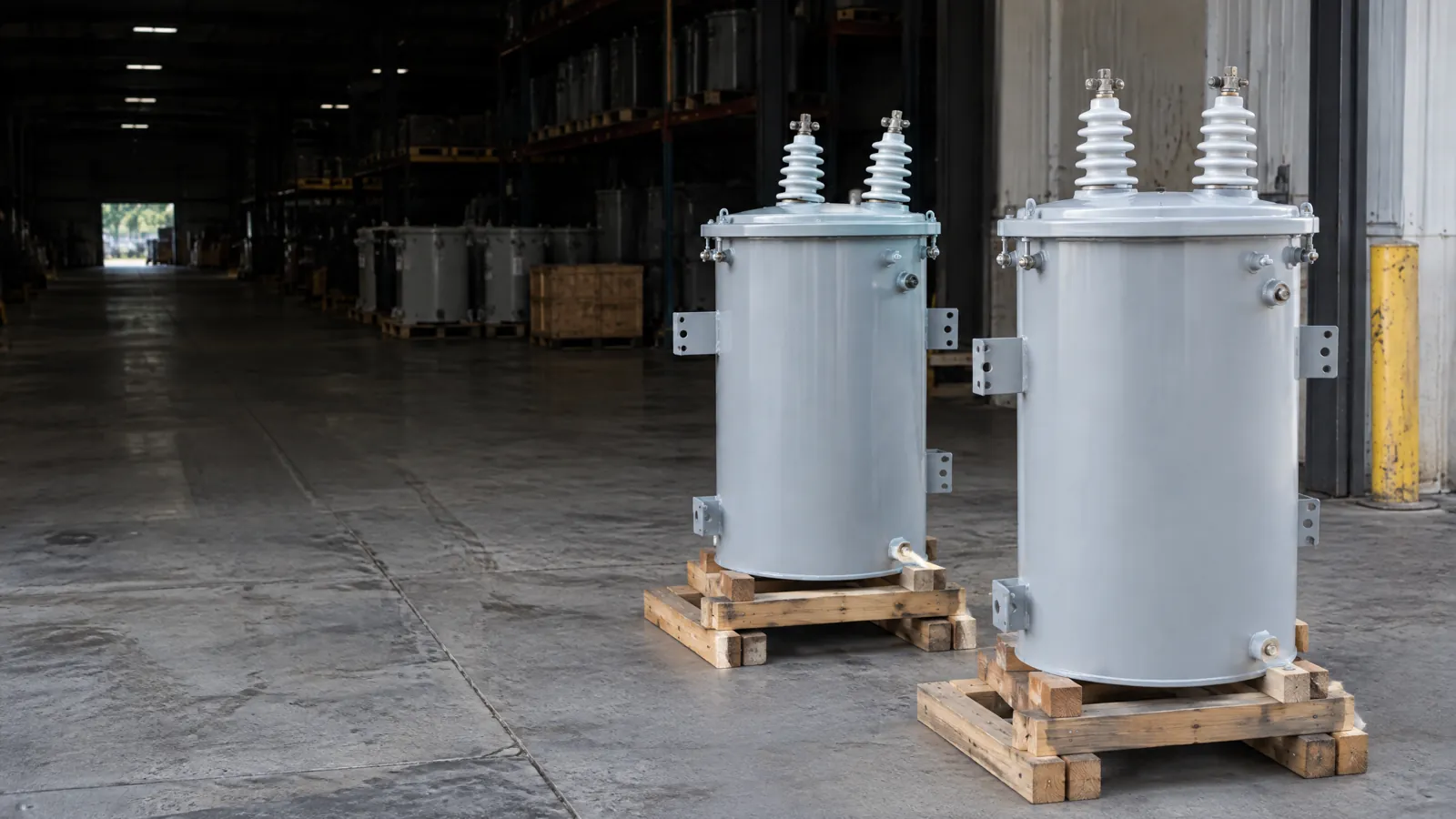
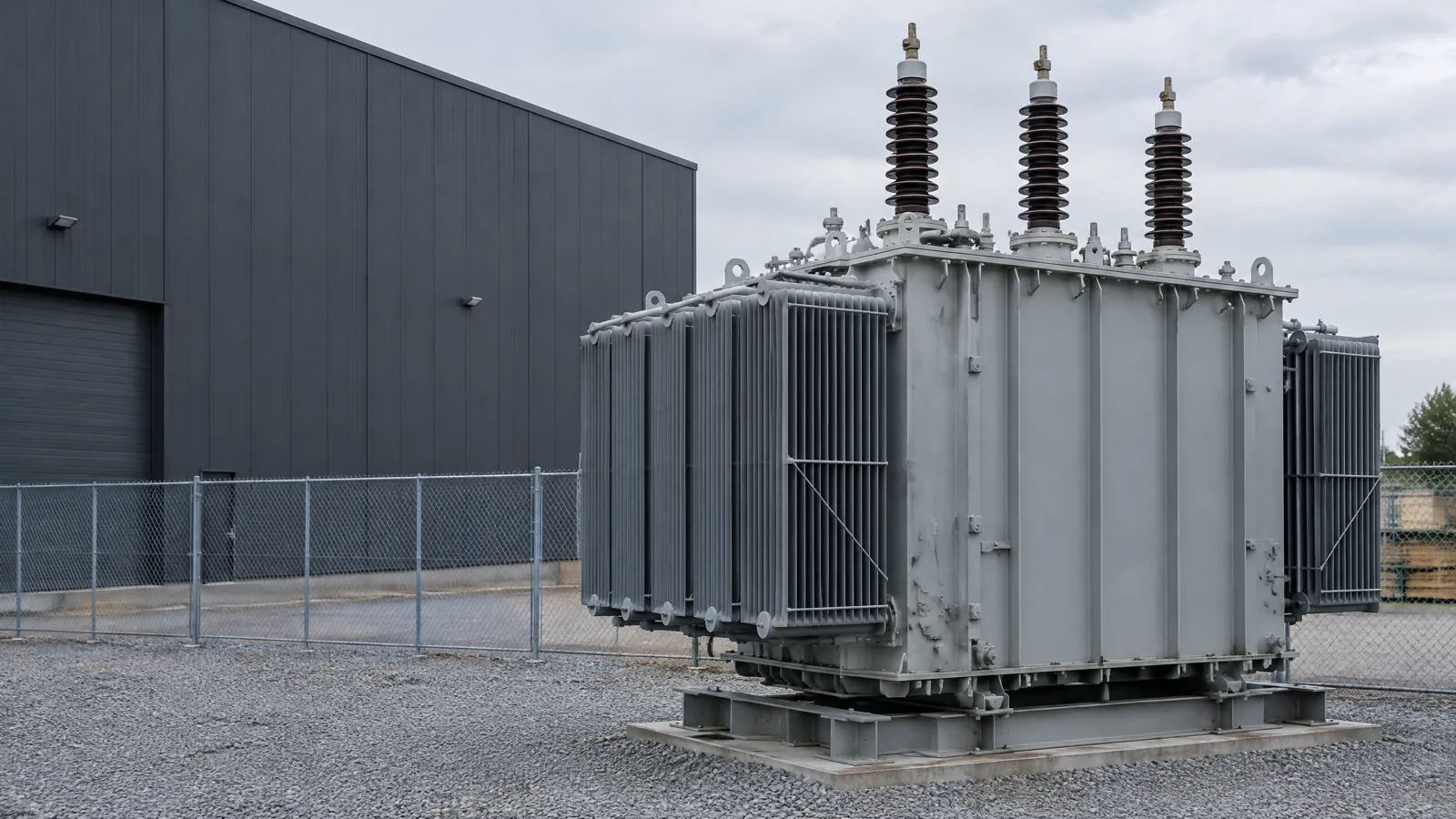
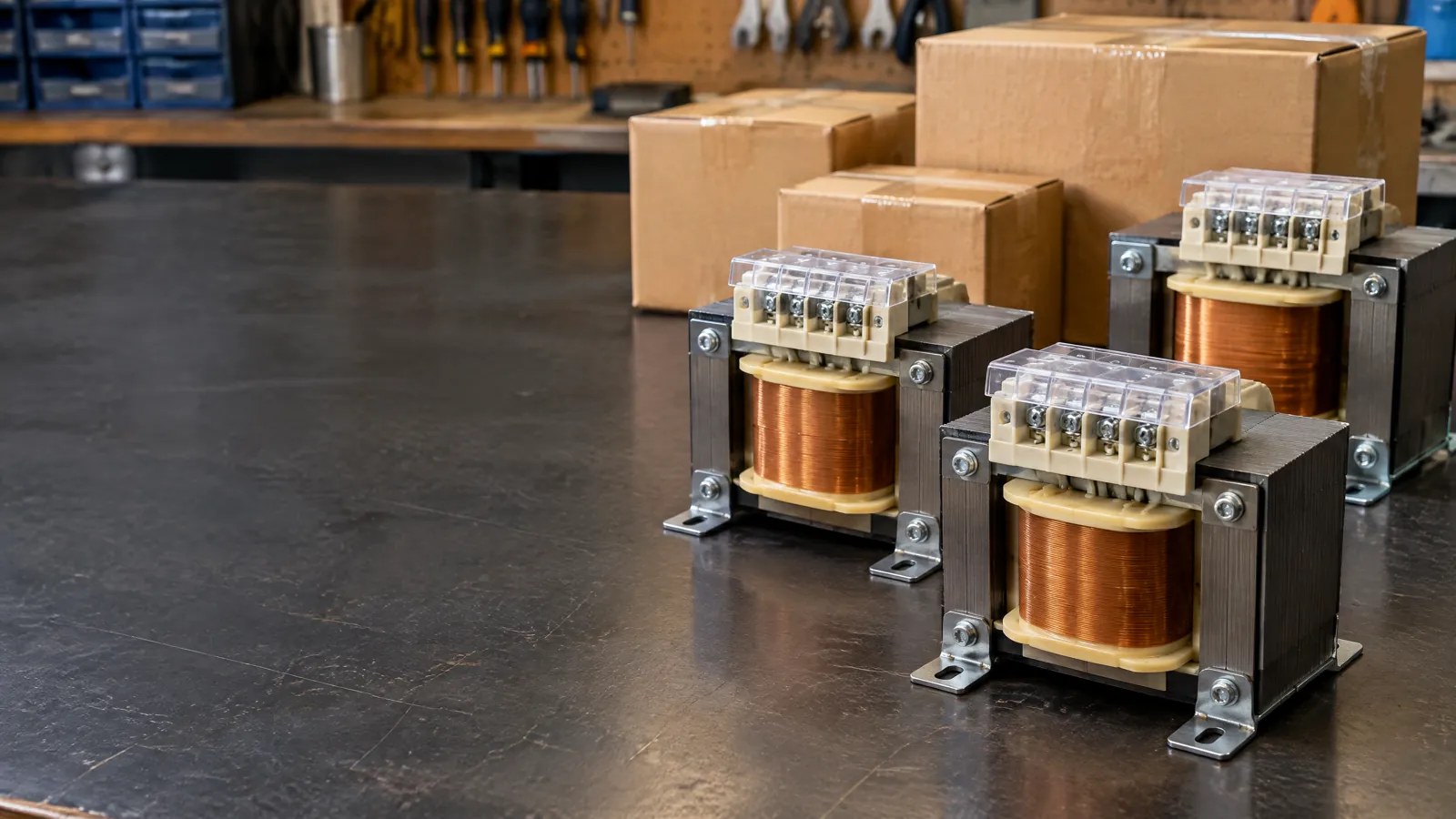
Have an isolation transformer left after a production-line change, equipment replacement or canceled project? Surplus Valve Buyer is an independent Houston-based surplus equipment purchase review business. We review reusable used and new surplus transformers individually, including equipment described as industrial or drive isolation units. Start with whatever information you already have; a short call or email is enough. You do not need to open an enclosure or assemble a technical report before contacting us. The review focuses on identifying the actual transformer, understanding its condition and determining whether a purchase is appropriate. Manufacturer names identify equipment only; we are not a manufacturer-affiliated buyer.
Separate windings distinguish isolation from an autotransformer
An isolation transformer has electrically separate primary and secondary windings. An autotransformer has an electrical connection between its input and output circuits, so it does not provide the same isolation. Schneider Electric explains that a two-winding transformer provides isolation when it is not connected as an autotransformer.
For a seller, that distinction affects how the equipment should be described. Do not identify a unit as an isolation transformer simply because it changes voltage. If existing records describe an autotransformer connection or a modification, disclose that information rather than relying on an old equipment nickname.
Isolation and step-down can describe the same transformer
Isolation describes winding separation; step-down describes a voltage reduction. These descriptions can overlap, but neither replaces the other. Hammond Power Solutions publishes a three-phase, 20 kVA DM020KD example with a 480 V delta primary and 240Y secondary. Its DM020JJ example is also 20 kVA and three-phase, but has a 460 V delta primary and 460Y secondary.
These published drive isolation examples show why equal voltage ratings do not rule out isolation. They are identification examples, not inventory or acceptance promises. Quote your own unit's primary and secondary ratings exactly, including letters and separators.
Identify drive isolation equipment by its actual designation
A transformer removed with a variable-speed drive may have a specific drive isolation designation. Hammond Power Solutions describes its drive isolation transformers as separate-winding equipment designed for AC and DC variable-speed-drive demands. The manufacturer also distinguishes voltage change from the electrical isolation function.
Tell us the former industrial application, if known, and include the exact catalog number. Application history provides context, but does not establish ratings, present condition or suitability for another application.
Shielded isolation is a feature to verify
The word isolation does not automatically mean an electrostatic shield is fitted. Schneider Electric explicitly separates those features. Hammond Power Solutions describes an electrostatic shield between the windings that can divert some noise and transients, but its guidance also qualifies the benefit in typical grounded-secondary applications.
For purchase review, report shielding only when the marking or manufacturer information supports it. Include the full model suffix: HPS's cited catalog identifies shielded versions separately. Do not promise noise elimination or assign generic attenuation figures to your surplus unit. A shield designation is useful identification, not a condition report.
Preserve phase and nameplate notation without guessing
Include the stated phase, frequency, kVA capacity and voltage notation when those details are available. The cited HPS examples specify three-phase construction and 60 Hz operation; those facts cannot be assumed for an unidentified transformer.
For this review, report grounded or ungrounded notation only when it is expressly shown on the nameplate. Do not infer either designation from 'isolation,' a wye symbol, the former installation or enclosure appearance. If the nameplate does not state it, leave that field unknown. This keeps an equipment inquiry separate from an assessment of how a previous installation was configured.
Describe used equipment beyond 'working when removed'
For a used isolation transformer, explain why it became surplus and distinguish known history from assumptions. Useful details include the last known service date, any reported fault, visible enclosure damage and existing maintenance or electrical test records. If its operating condition is unknown, say so.
'Working when removed' is helpful history, not a current test result. Keep the transformer intact for review; do not strip it to present a metal-only description when reuse is being considered.
New surplus still needs a storage history
An unused isolation transformer from a canceled project can be reviewed as new surplus. State whether it remains in original packaging, has been unpacked or mounted, or has ever been energized. Describe known storage conditions and any damage rather than treating 'unused' as proof of readiness for service.
Original paperwork can connect the model to specified features. Identify each unit separately: similar enclosures may contain different ratings or shield options. Do not assume an original warranty transfers with a surplus sale.
Start with available information, not an inspection assignment
Your first message can simply describe the transformer and its location. If already available, add the manufacturer, model, quantity and readable nameplate details. Optional photographs of safely accessible exterior markings and overall condition can help clarify what is being offered.
Missing information is not a reason to enter an electrical enclosure. Existing equipment records may provide a starting point. For multiple units, distinguish their labels and conditions; identification details can follow the initial conversation.
Leave electrical work to qualified personnel
Do not open, disconnect, energize or test a transformer to support a sales inquiry. Qualified personnel must handle electrical work under applicable safe-work procedures. OSHA's electrical work-practice standard addresses deenergization, lockout/tagout and verification; a seller's statement that a unit is switched off does not replace those requirements.
Tell us whether the equipment remains installed or is already removed, but do not change its status for photographs. Any inspection or removal needs a separate, appropriate arrangement. An isolation designation does not make the equipment safe to touch or remove safeguards against electrical hazards.
Discuss purchase eligibility and fluid records before movement
Purchase eligibility depends on identification, condition, location and the proposed transaction. Tell us about access restrictions and known weight information; removal, loading and transport responsibilities must be discussed rather than assumed. An inquiry is not a guaranteed offer or pickup commitment.
If the unit contains dielectric fluid, disclose that fact and share existing fluid identification and PCB records. EPA rules govern PCB equipment, including applicable concentration assumptions and commerce restrictions. We do not infer PCB-free status from age alone. Fluid-filled eligibility is case-by-case. Do not drain the transformer or obtain a sample yourself for this inquiry.