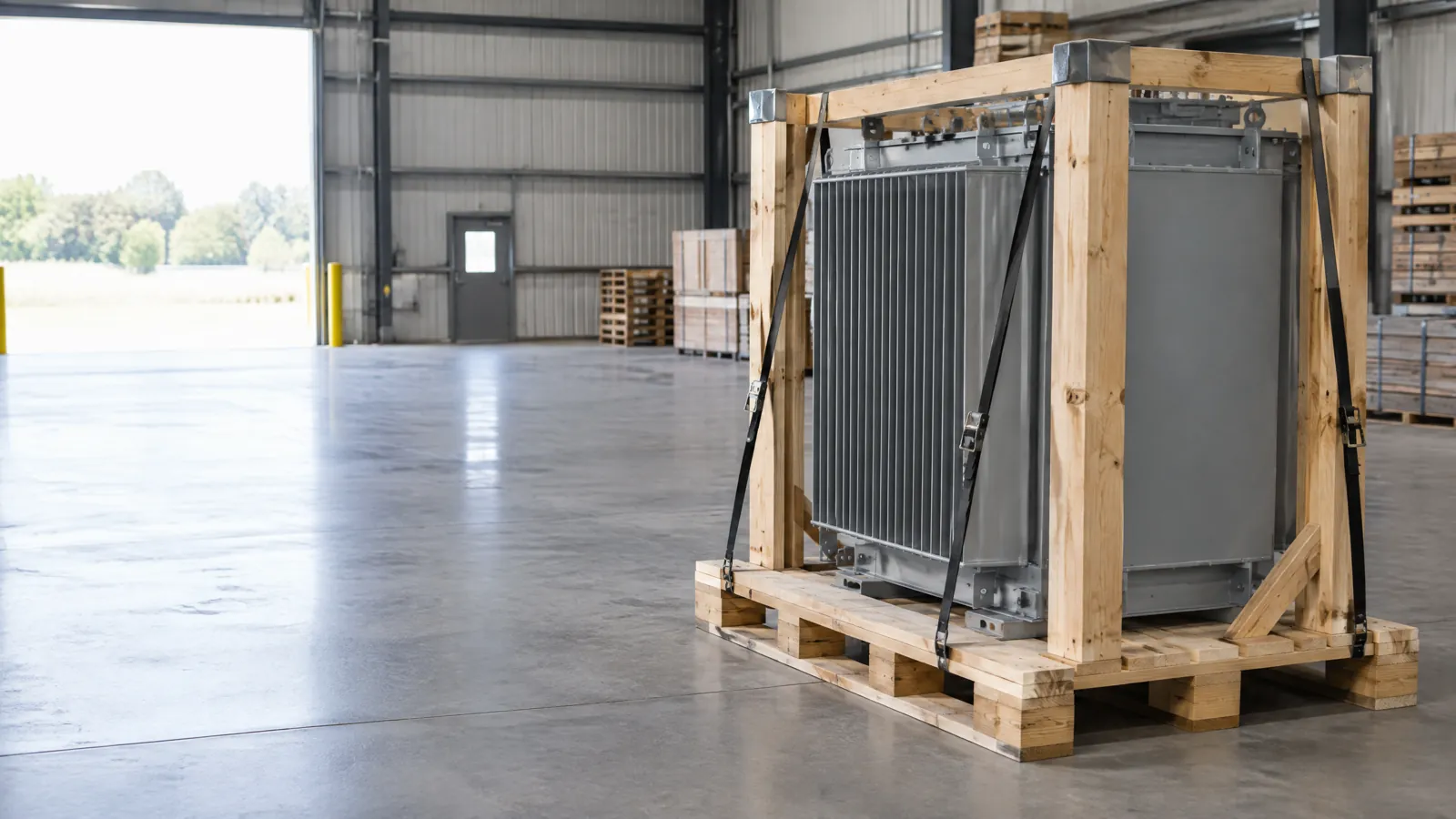
Condition, Oil Records and Freight
A transformer purchase review needs two separate pictures: what the equipment is, and what it will take to transfer it safely. Surplus Valve Buyer is an independent Houston-based surplus equipment purchase review, considering reusable used transformers and new surplus on a case-by-case basis. Begin with a phone call or email describing the unit and its location. Photos are optional for the first contact. Condition records, fluid documentation and freight details can follow. This guide explains which information helps without asking you to open equipment, perform electrical work or alter the insulating fluid before review.
Describe condition
Explain whether the transformer is operating, disconnected, stored unused or known to have failed. Include its last service date if known, why it became surplus and any reported overheating, fault event or transport damage. Say when information is unavailable rather than calling an untested unit working. Retain the original reports, including any stated limitations.
For new surplus, identify storage duration and whether original packaging or factory reports remain. Unused does not mean unaffected by storage. Eaton's instructions call for inspecting new or stored transformers for damage before service. Existing inspection records help separate documented condition from an owner's reasonable but unverified expectation.
Unit-specific fluid records
For a liquid-filled unit, provide the documented fluid type, manufacturer and serial number alongside available laboratory reports. Include sample dates, report identifiers and service history covering fluid replacement or topping off. A certificate for a drum of oil does not, by itself, establish the present contents of a previously serviced transformer.
Keep reports separated by unit when selling several transformers. EPA's concentration-establishment rule recognizes testing, or manufacturer concentration documentation together with records of all servicing fluids. A dry-type transformer is a different construction; do not describe it as oil-filled merely because nearby equipment contains liquid.
PCB evidence
Polychlorinated biphenyls, or PCBs, require a documented assessment. A familiar manufacturer name, clean exterior or manufacture year is not an analytical finding. EPA's rules contain specific concentration assumptions for use, including assumptions connected to manufacture date and unknown information. Those legal assumptions are not the same as proof that the current fluid contains no PCBs.
The federal definitions distinguish less than 50 ppm, at least 50 but less than 500 ppm, and at least 500 ppm. The term non-PCB Transformer means less than 50 ppm, subject to applicable reclassification requirements; it does not mean zero. Fluid eligibility remains case-by-case, not an automatic acceptance based on a label.
Oil testing records
A dielectric-strength report addresses an insulating-liquid property. It is not interchangeable with a report identifying PCB concentration. Send the complete available reports rather than only a message saying the oil passed. Include the tested unit's identity and explain any fluid service that occurred afterward.
If records are missing or inconsistent, identify that gap during review. Qualified service personnel and an appropriate laboratory can determine what additional assessment is necessary. Do not open a tank or take a sample just to support a sale inquiry. Existing documents can be reviewed before any testing scope is agreed.
Leaks and preservation
Report visible seepage, staining, tank dents, damaged radiators or cracked bushings from existing records or observations made safely outside restricted areas. Describe known repairs and missing parts. Photographs, if available, should show the condition as found rather than hide evidence of a problem.
Do not strip the transformer, drain its fluid or mix oil to make it easier to sell. EPA warns that PCB-contaminated used oil can contaminate a larger volume and that dilution cannot avoid applicable disposal rules. Known or suspected leaks require the site's qualified safety and environmental response, not improvised sale preparation.
Qualified electrical removal
Tell us whether the unit remains connected and who controls the equipment. A buyer discussion is not permission to disconnect it. Qualified personnel must handle deenergization, verification, electrical disconnection and removal under the procedures applicable to the site.
OSHA's electrical work-practice standard addresses isolation, lockout and tagging, and qualified-person verification of a deenergized condition. Equipment described as switched off is not automatically safe to approach or open. Keep photographs and measurements limited to information already available or obtainable without unsafe access. Identify any utility coordination or planned shutdown affecting the release date.
Total and fluid weight
Provide the nameplate weight and any manufacturer shipping drawing or packing list. State whether a figure represents the complete assembly, a transport configuration or only the core and coils. Identify documented fluid weight separately; oil volume alone is not a weight measurement. Mark estimates clearly.
Eaton explains that a pad-mounted transformer's mass is concentrated in its tank, core and coils, and insulating liquid. Do not add fluid weight again if the stated total already includes it. Separately shipped accessories or fluid containers must also be identified so the transport provider can establish the actual load.
Freight dimensions
A rating describes electrical capacity, not a freight envelope. As a manufacturer example only, Fuji Electric's hermetically sealed mineral-oil table lists a 1,000 kVA, 33 kV–400/230 V transformer at 3,350 kg total weight, with 750 liters of oil. Its listed dimensions are 1,900 mm high, 1,950 mm long and 1,100 mm wide. This is not an acceptance promise or a shipping estimate for your unit.
Provide your equipment's actual overall dimensions and configuration, including protruding accessories. Texas requires exact vehicle-and-load dimensions and weight for permit assessment. The carrier must evaluate the loaded shipment and route, not just the transformer's footprint.
Access and loading
Share the pickup ZIP code, available release window and known access restrictions. Explain whether the transformer is on a pad, inside a building or already staged for transport. Flag narrow gates, restricted truck access and other obstacles from existing site information. Leave physical clearance assessments to the responsible professionals.
Freight, lifting, loading and electrical removal are separate responsibilities. Identify who would supply qualified rigging personnel and suitable equipment; do not assume an ordinary forklift is adequate. Eaton requires checking lifting equipment against transformer weight. A purchase inquiry does not guarantee pickup or confirm that loading equipment will be supplied.
Transfer scope
Any proposed transaction should identify the unit, included accessories, disclosed condition and applicable inspection conditions. Confirm responsibility for removal, loading, transport, environmental documentation and costs in writing. A purchase review is not a disposal authorization, and regulated fluid questions may require a specialist route instead of ordinary surplus acquisition.
For an agreed shipment, keep serial-number records, the accessory list and handoff documents together. Manufacturer receiving guidance calls for recording damage and shortages on freight documentation. Clear departure records help distinguish existing defects from transit damage without promising a particular offer, payment schedule or pickup date.