Metal-Clad Switchgear Buyers
Sell surplus medium-voltage metal-clad switchgear to Surplus Valve Buyer, a Houston-based independent surplus buyer. If a replacement project, cancelled installation or facility shutdown has left breaker gear available, contact us to discuss the lot. Tell us whether you have a complete lineup, individual sections or associated spare breakers. Equipment eligibility and purchase terms are confirmed individually, not from a voltage label alone.
Sell a lineup or describe the available sections
Start by defining what you own and what is available for sale. A complete lineup may include incoming main sections, feeder breaker cells, a bus-tie section and auxiliary compartments. If only part of the assembly is surplus, identify those sections separately rather than describing the entire installation as available.
Include installed breakers and separately stored spares in the same description, but distinguish them clearly. An unused project lineup and gear removed after years of service present different evaluation questions. We buy surplus equipment by agreement; listing a component here is not blanket acceptance of every model, condition or quantity.
Confirm metal-clad construction, not just a steel cabinet
Metal-clad describes a specific construction, not simply equipment inside a metal enclosure. Eaton's VacClad-W guide identifies IEEE C37.20.2 compartmentation: major primary circuit components are separated by grounded metal barriers, and primary conductors are insulated for the assembly's rated maximum voltage. Its breaker design uses horizontal drawout vacuum circuit breakers.
Manufacturer documentation helps distinguish this gear from other enclosed switching equipment. It also prevents a separate mistake: metal-clad does not automatically mean arc-resistant. Siemens distinguishes conventional GM-SG from GM-SG-AR, which has separate internal-arcing qualifications under IEEE C37.20.7. State an arc-resistant designation only when records support it.
Describe 5 kV and 15 kV gear accurately
Keep the former nominal system voltage separate from the assembly's maximum voltage rating. A seller's description of a 5 kV class lineup is not a substitute for the actual nameplate. Eaton's VacClad-W assembly table gives a 4.76 kV rated-maximum entry for its lower-voltage offering and a separate 15 kV entry.
Those entries show 60 kV and 95 kV peak lightning-impulse withstand levels, respectively. This insulation rating, commonly called BIL, is not an operating voltage or a fault-current rating. Report each field under its own label. These are manufacturer examples that help identify equipment, not automatic buying criteria for your lot.
Separate bus amps from breaker and fault ratings
Continuous main-bus amperes describe the assembly's current-carrying rating. Record that value separately from each breaker's continuous-current rating and any protective-relay pickup settings. A relay setting is not the bus rating. If records use frame or trip terminology, preserve the original labels instead of converting them into an assumed medium-voltage equipment rating.
Fault ratings use different units and duties. Eaton lists a 15VCP-W25 breaker example at 15 kV maximum, 1200 A continuous current and 25 kA rms symmetrical interrupting current. Assembly short-time withstand is a separate field. Do not combine a family's highest voltage, amperage and kA values into an undocumented configuration.
Keep removable breakers identified with their cells
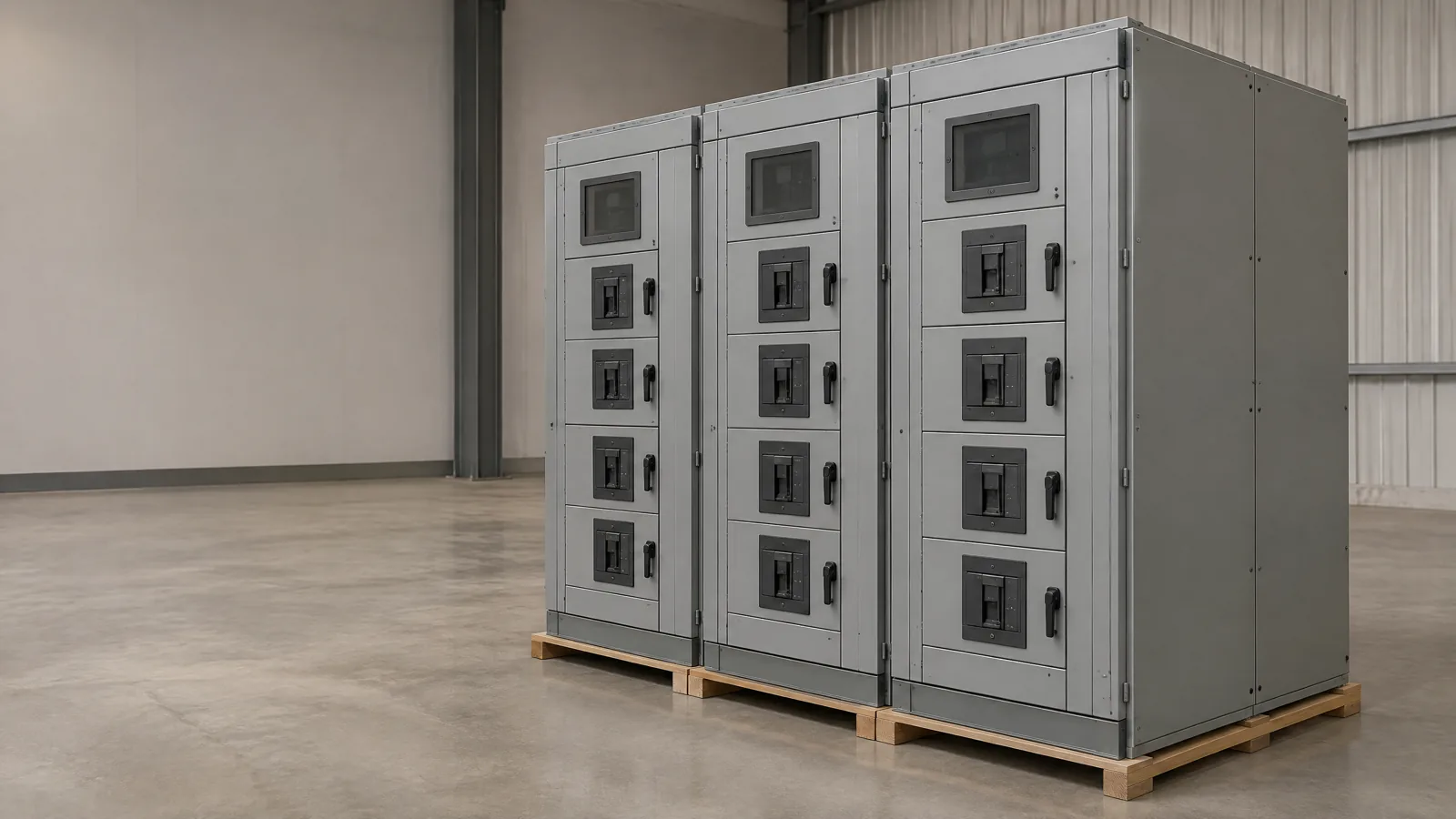
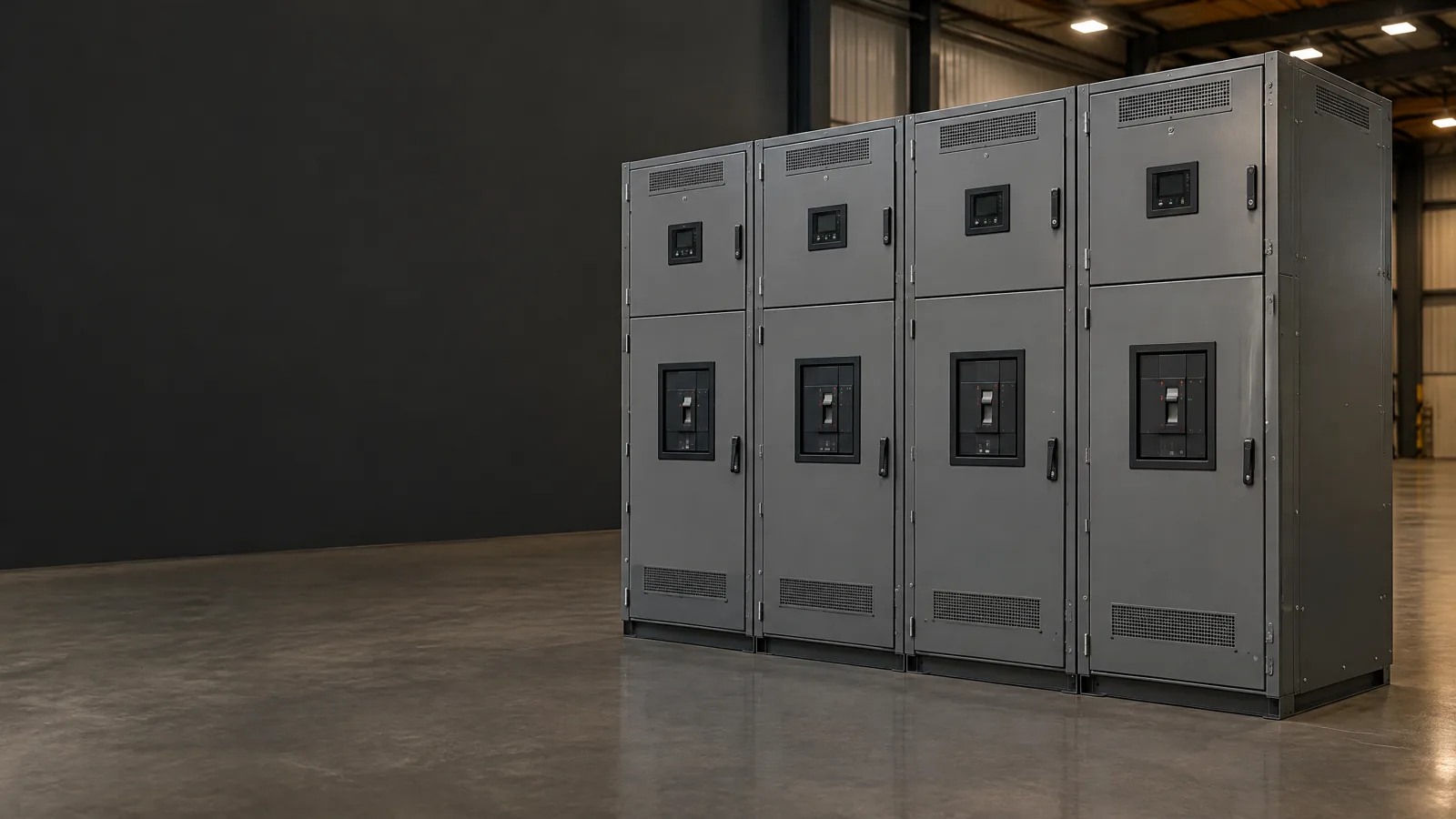
For drawout gear, record the breaker manufacturer, type designation and quantity alongside the lineup identification. Distinguish occupied cells, empty breaker cells and auxiliary compartments. Keeping existing breaker-to-cell records with the lot makes the description more useful than reporting only how many cabinet doors appear across the front of the assembly.
Matching matters beyond outward dimensions. Siemens states that its GMSG breaker is not interchangeable with older designs, and generator breakers are not interchangeable with standard breakers. Do not advertise a loose breaker as a universal fit based only on voltage or continuous amps. Retain available compatibility records and disclose missing breakers.
Include relays, metering and control-power information
A metal-clad lot description should cover more than its primary bus and breakers. Identify installed protective relays and meters from existing records, including model numbers when available. Note whether control wiring and secondary disconnects remain with the gear. Describe known modifications so the original factory documentation is not mistaken for the present configuration.
Siemens documents separate protective-relay and instrument space, plus auxiliary cells for voltage transformers, control-power transformers or rollout fuse trays. Preserve the documented control-supply voltage and whether it is AC or DC. It is a different specification from medium-voltage service. Say when the control-power equipment is external or excluded from the sale.
Disclose condition and preserve the lot's records
Explain whether the equipment is unused, previously installed, stored after removal or incomplete. Disclose known water exposure, corrosion, damaged insulation, missing barriers or altered wiring. Existing one-line diagrams, factory drawings and maintenance records can clarify what is being offered. Identify dates on test reports rather than calling older records proof of current operating condition.
Buyer pages commonly ask about voltage, bus rating, breaker count and condition because those details distinguish one lot from another. Keep drawings and accessory lists with your sale description. Report missing racking tools, lift devices or keys if known. Completeness supports a clearer evaluation, but it does not establish a guaranteed offer or price premium.
Plan safe decommissioning before equipment handling
Do not open energized compartments, remove barriers or operate equipment to demonstrate it for a sale. Use existing records for the initial conversation. Qualified personnel must handle safe isolation and decommissioning under the facility's applicable procedures. OSHA requires appropriate lockout or tagging and qualified-person verification before exposed parts can be treated as deenergized.
Tell us whether the lot remains installed or has already been removed, and describe known loading and access constraints. Discuss responsibility for disconnection, rigging, packaging and transport before work is scheduled. These arrangements require lot-specific agreement; this page does not promise removal services, freight coverage or a particular collection date.
Discuss purchase terms with Surplus Valve Buyer
Call (951)403-5738 or email industrial832@gmail.com to discuss selling your metal-clad switchgear. Surplus Valve Buyer is Houston-based and independent, not a manufacturer representative. Start with the equipment location, ownership, available quantity and known condition. If specifications are incomplete, tell us what is known rather than delaying contact to obtain every detail.
Before agreeing to a sale, confirm the included sections and breakers, excluded components, price, payment terms and handling responsibilities. Identify any project deadline or site restriction early. An initial inquiry is a conversation about the lot, not guaranteed acceptance. We buy, you sell, with eligibility and terms confirmed for the actual equipment.