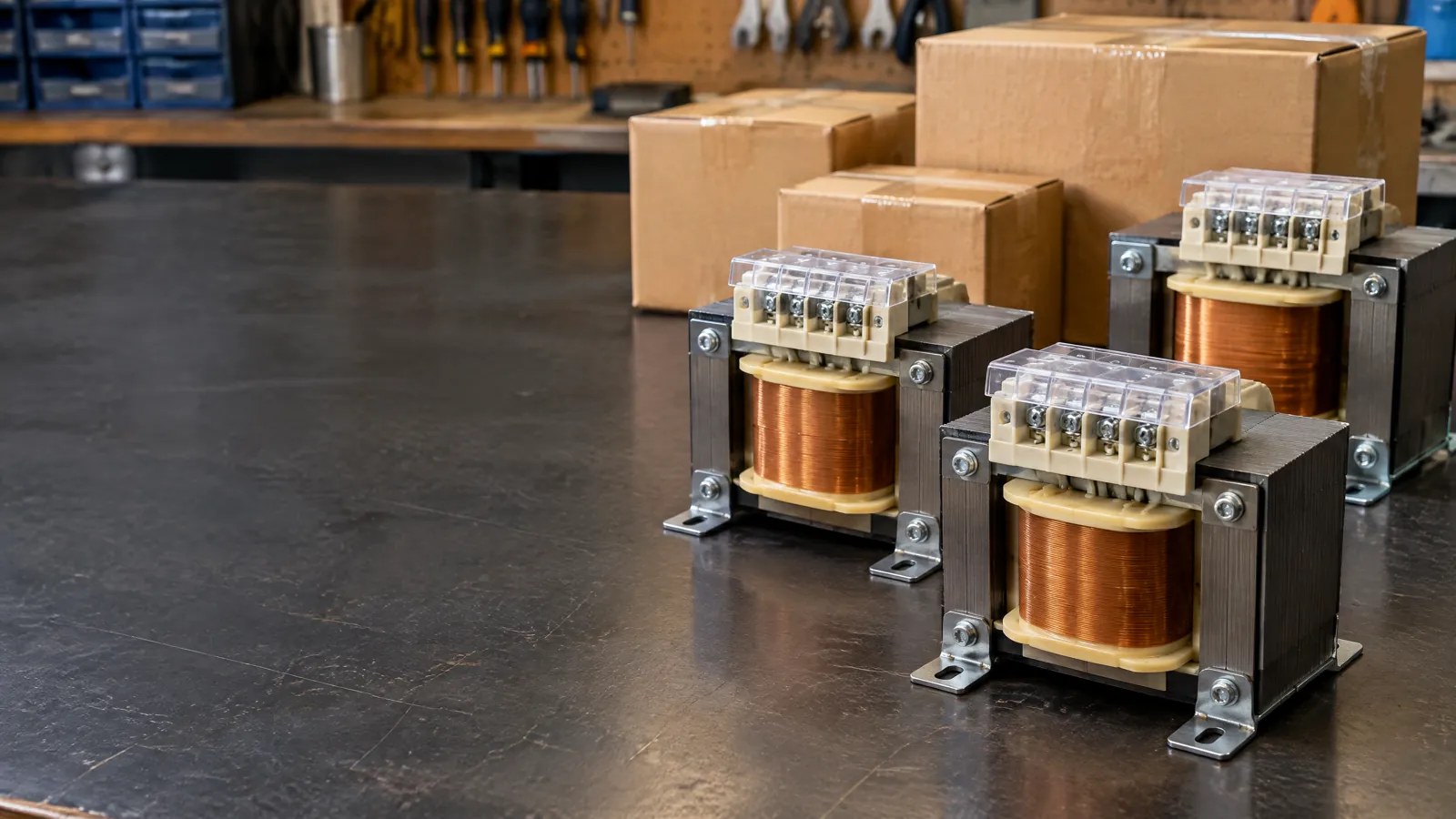
Control Transformer Buyers
Have control transformers left from an OEM build, a panel project or a maintenance storeroom? Surplus Valve Buyer provides independent, Houston-based purchase review for new surplus and reusable used industrial control transformers. These smaller components need a different description from large distribution transformers: the VA rating, exact primary and secondary markings, part number and quantity matter more than a general statement that they came from a plant. A clear identification photo, approximate count and equipment location are enough for an initial conversation; detailed records can follow if needed.
Keep the VA rating with each unit
Control transformers supply control circuits in industrial panels, motor-control equipment and automation systems. Hammond Power Solutions identifies relays, solenoids and magnetic starters as high-inrush applications for these products. For a seller, the practical point is to preserve the manufacturer's identity and rating rather than describe every small transformer as interchangeable.
Copy the capacity exactly as printed, including VA or kVA. A small control component should not be described using the rating of the machine or panel around it.
A readable part number makes the listing useful
Photograph the transformer label rather than relying only on a carton description. Include the full catalog number and any suffix, along with the VA rating and voltage information. A box may belong to another unit, and a shortened number can omit a voltage or accessory distinction.
As a verified example, Schneider Electric lists its Type T 9070T100D1 as a 100 VA, single-phase transformer with 240 x 480 V primary and 120 V secondary ratings. That example illustrates identification detail, not an acceptance promise. We are not affiliated with Schneider Electric or Hammond Power Solutions.
Preserve primary taps and secondary markings
Write the primary and secondary information on separate lines. Preserve the manufacturer's slashes, multiplication marks and voltage-code suffixes instead of reducing the description to one familiar voltage. A unit's printed ratings and its previous operating configuration are different pieces of information.
Schneider Electric explains that its D1 voltage code has related triple ratings, including 240 x 480 to 120 V and 230 x 460 to 115 V. These are manufacturer examples, not universal relationships. Send the existing diagram or label; do not move links or change connections to prepare a sale.
Identify single-phase units and construction style
A transformer removed from a three-phase machine may still be a single-phase control transformer. Use its own phase marking, not the machine's supply description. Include frequency when readable; Hammond Power Solutions lists frequency as 50/60 Hz or 60 Hz depending on the voltage code in its current control-transformer range.
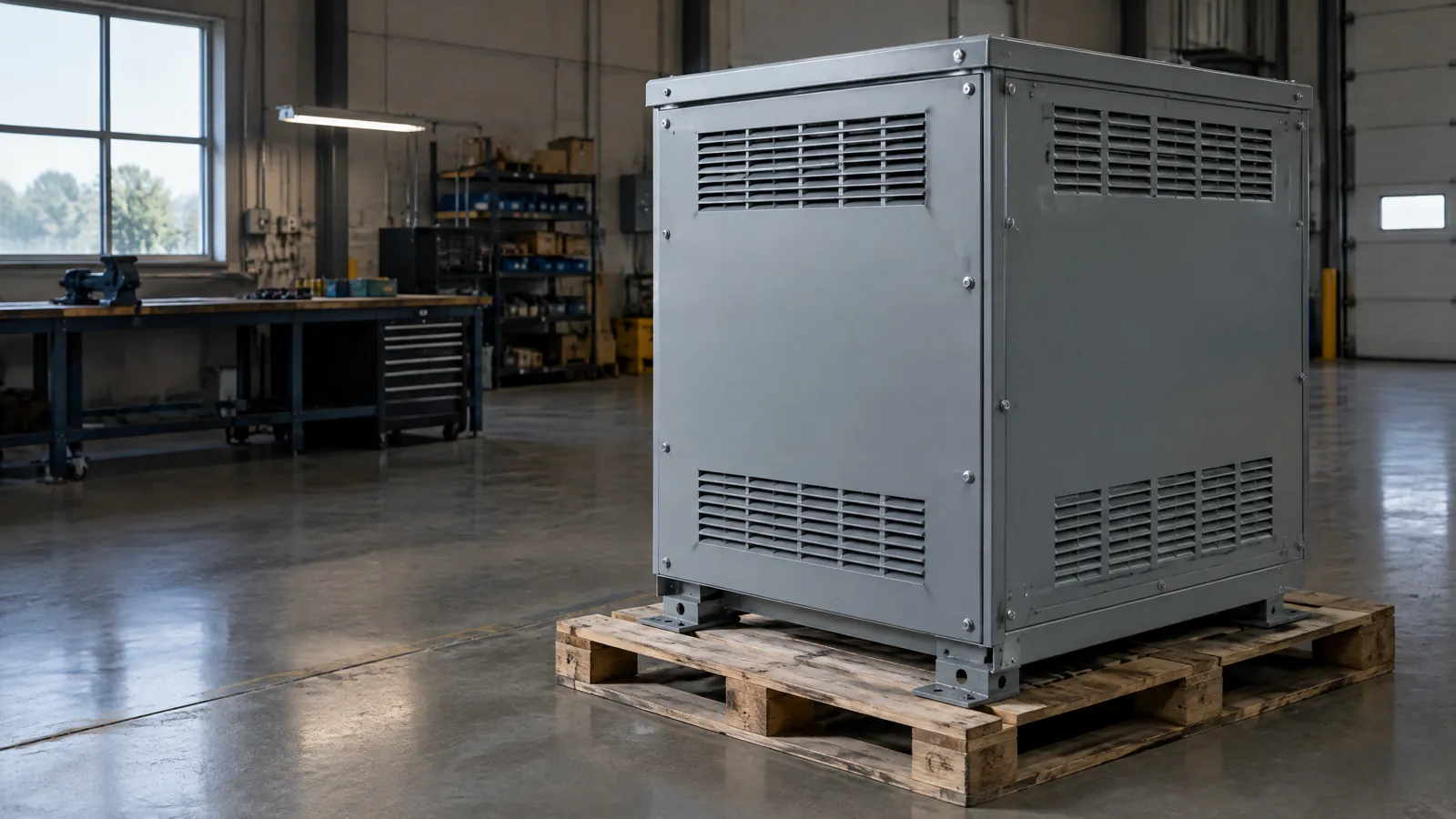
Also distinguish open, molded and enclosed construction. HPS describes open-style units for panel builders and OEMs, while enclosed versions have a metal enclosure. An open transformer photographed beside a cabinet is not necessarily being sold with that cabinet. State what is included.
Show the complete assembly, not just the coil
Photograph the whole item and any supplied mounting brackets, terminal guards, fuse holders or covers. Say whether accessories are attached, separately packaged or missing. If the transformer remains part of an OEM subassembly, identify the subassembly and explain whether it is included in the proposed sale.
Accessory completeness should not be assumed from a catalog picture. HPS documentation distinguishes supplied secondary fuse kits from separately sold primary fuse-block kits. An empty holder does not establish that fuses are included. Existing assembly photos are useful without taking anything apart.
Count matched spares and mixed lots separately
For an OEM overrun or storeroom cleanout, group units by full part number, then separate quantities by condition. Ten matching boxed spares are a different review from ten assorted transformers with different ratings. Do not combine them under one total without explaining the mix.
Show one representative label for each identified group and disclose exceptions. If cartons have not been checked against their contents, label the count as provisional rather than presenting it as a verified matched lot.
Describe new surplus and used condition honestly
Separate unused stock in original packaging from unused open-box items, used units removed from service and items with unknown history. Explain why they became surplus, without treating that history as proof of electrical condition.
Disclose visible heat discoloration, broken terminals, cracked molded material, corrosion or damaged mounting points. Share existing maintenance or test records if available and connect them to the correct unit. Do not energize a transformer just to demonstrate operation or describe an untested unit as tested.
Keep OEM records tied to the actual transformer
A machine-builder part number can help explain where a spare belongs, but also provide the transformer manufacturer's number when available. Include existing drawings, purchase records or replacement references that identify the unit. Avoid calling an alternative part a direct replacement unless you have supporting documentation.
Panel photographs and safely obtained dimensions can clarify mounting format and assembly scope. For repeated OEM spares, retain labels on individual units and keep paperwork with its matching group. A shelf label alone may describe the intended spare rather than the items actually present.
Do not access live panels for sale photos
Use existing records or photos obtainable without electrical exposure. Do not open energized equipment, reach past exposed terminals or remove a transformer for a purchase inquiry. Qualified personnel must handle electrical inspection, testing and removal under the site's applicable safety procedures.
OSHA's electrical work-practice standard addresses lockout and tagging and qualified-person verification of a deenergized condition. A machine being stopped is not proof that its electrical parts are safe. If the identifying label is inaccessible, say so; an initial discussion can begin with available information rather than unsafe access.
Clarify the lot and handoff before proceeding
Tell us the city, approximate lot size and whether the transformers are boxed shelf stock, loose components or still installed. Mention any deadline and who is authorized to sell them. Each model and condition needs individual review.
Any proposed transaction should identify the included units, condition assumptions, payment terms and shipping or collection responsibilities. Do not ship equipment before arrangements are agreed. Call (951) 403-5738 or email industrial832@gmail.com to start a control-transformer purchase review with Surplus Valve Buyer.