Eaton & Cooper Power
Have an Eaton dry-type transformer or a Cooper Power liquid-filled unit left from an upgrade, canceled project, or spare-equipment program? Surplus Valve Buyer reviews reusable used and new surplus transformers for potential purchase. A short message with the brand, approximate size, condition, and location is enough to start; photos are optional. We are an independent Houston-based surplus equipment buyer, not Eaton, Cooper Power Systems, or an authorized manufacturer distributor. The equipment's actual identity and condition guide the review, so an older Cooper label or an unfamiliar catalog suffix should not stop you from contacting us.
Eaton and Cooper names: read the label as it appears
Eaton acquired Cooper Power Systems through its acquisition of Cooper Industries in 2012. Eaton now uses Cooper Power series for relevant products. Paperwork may bear Eaton while equipment carries Cooper Power Systems. Preserve those names rather than rewriting the identity to match a current catalog.
Eaton's history also connects RTE and McGraw-Edison Power Systems to Cooper. Legacy names provide context, not proof of specifications or present-day support. Tell us the exact name on the plate and include any separate rebuild label.
Keep dry-type and liquid-filled units separate
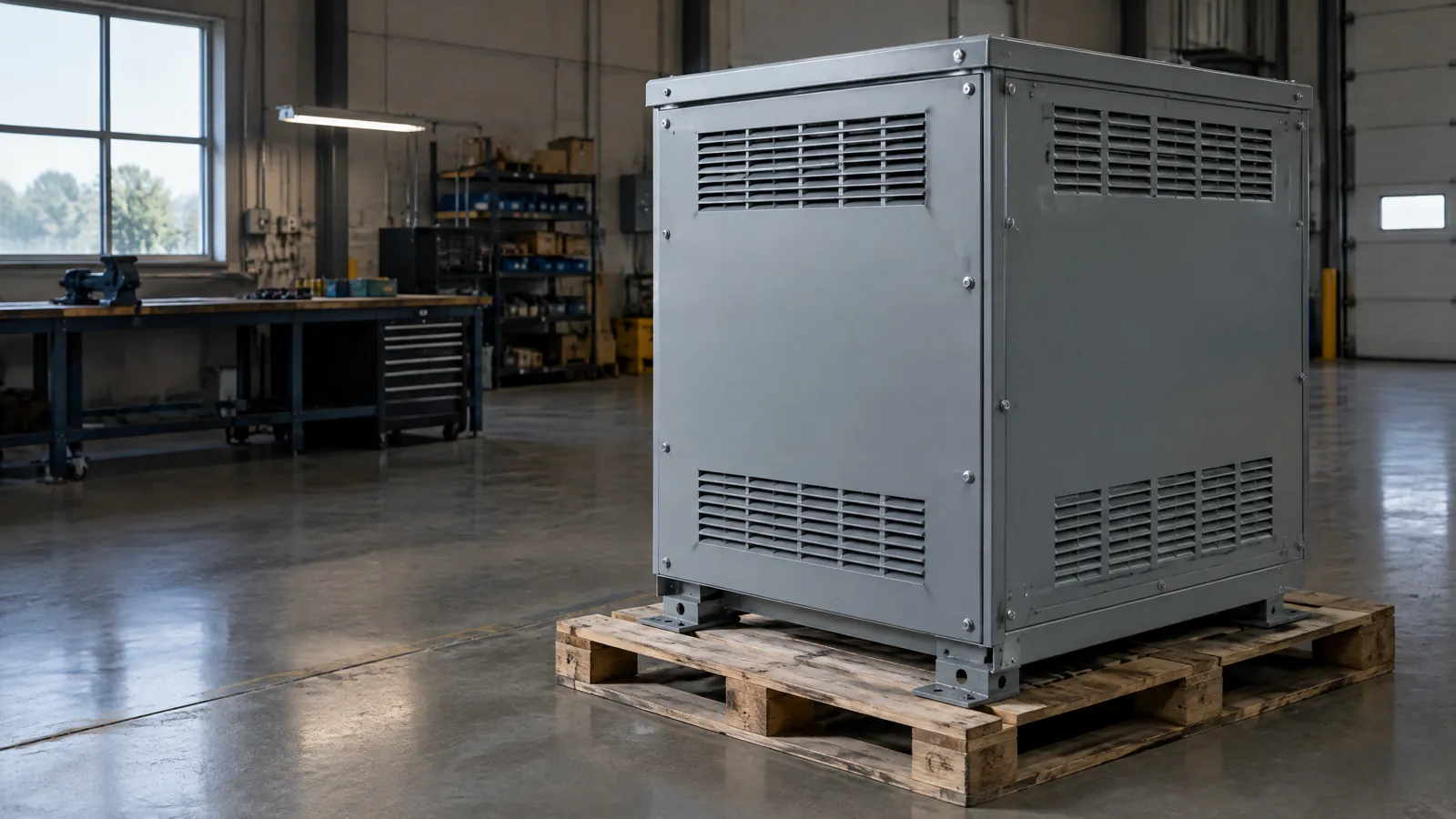
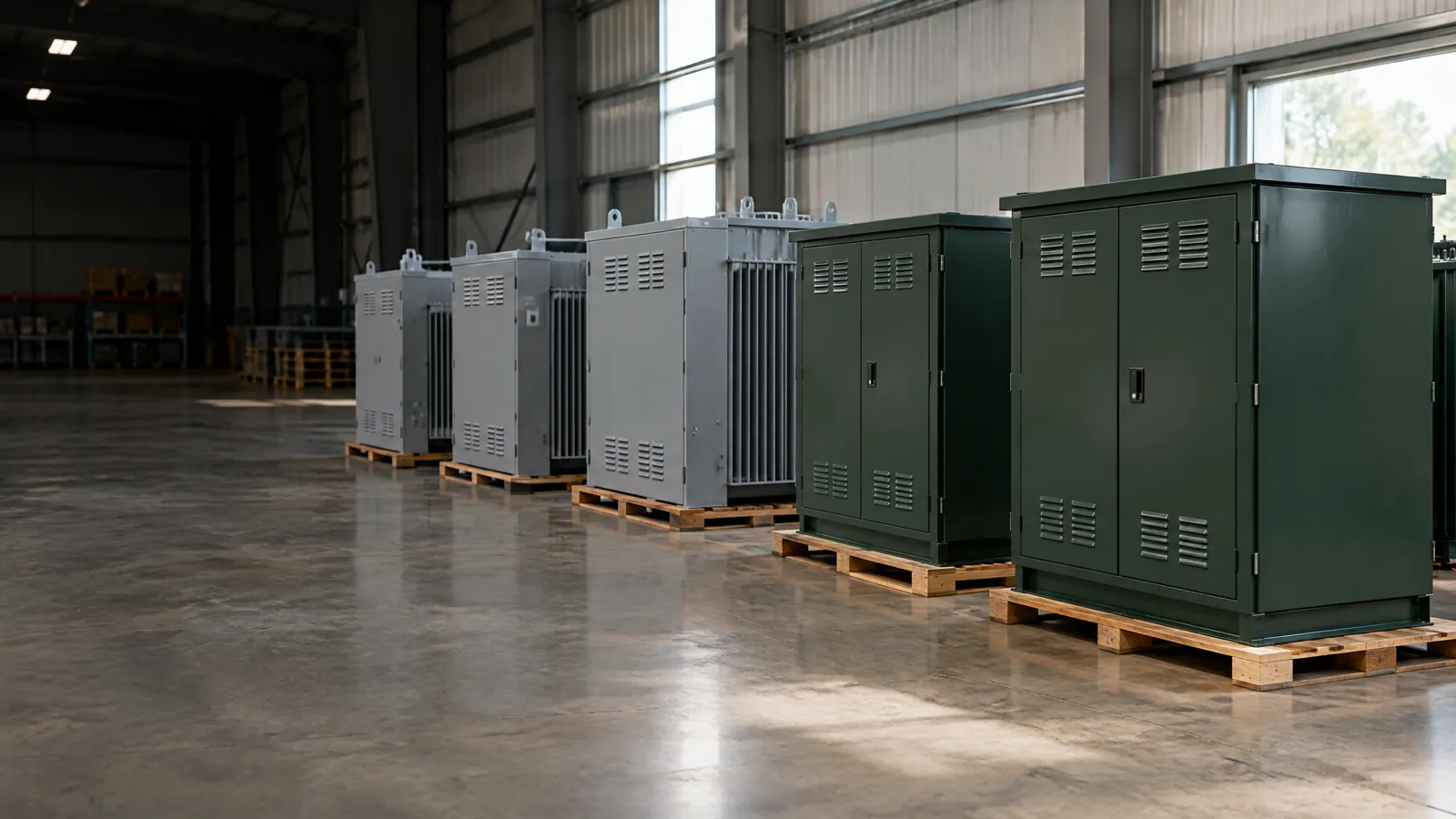
Eaton's general-purpose ventilated family includes DS-3 single-phase and DT-3 three-phase dry-type transformers. Its Cooper Power series three-phase pad-mounted family is fluid-filled. These descriptions are not interchangeable. Record each unit's construction instead of describing a mixed lot simply as Eaton transformers.
An enclosed dry-type transformer is not automatically liquid-filled. If the type is uncertain, use an existing equipment schedule or manufacturer's document. You do not need to open a cabinet or inspect internal parts to make an initial inquiry.
Official dry-type examples help identify your surplus
As an identification example, Eaton lists V48M28T75 as a three-phase DT-3 ventilated dry-type rated 75 kVA, with a 480 V primary and 208Y/120 V secondary. The official page marks it discontinued: a reference for older records, not our inventory or acceptance.
V48M28T12NV is a separate 112.5 kVA, three-phase dry-type example with the same stated voltages, in Eaton's totally enclosed non-ventilated category. Copy complete numbers, including suffixes. Similar voltage descriptions do not make enclosure or rating identical.
Cooper Power pad-mounted details beyond the logo
For a Cooper Power series pad-mounted unit, retain primary and secondary voltages, kVA, frequency, connection diagram, and impedance information. Eaton documents live-front and dead-front versions plus loop-feed and radial-feed arrangements. Do not enter a compartment to discover these details for a sale.
Eaton's rating table includes 1500 kVA as one example. That alone says nothing about your unit's voltage combination, fluid, or accessories. Manufacturer drawings and order records can clarify custom configurations that a short asset-list description leaves unresolved.
New surplus needs a storage story
If an Eaton or Cooper transformer was purchased but never installed, describe it as unused and explain its storage. Note remaining packaging, indoor or outdoor storage, and known shipping damage or missing components. Original invoices and factory documents can distinguish a project spare from a removed unit.
Unused does not mean recently manufactured or automatically ready for reuse. Keep age, storage condition, and installation history separate. Identify each unit rather than assuming an entire order shares the same condition.
Used units: explain why they became available
For reusable used transformers, explain whether the unit became surplus after a facility change, capacity upgrade, or retirement of equipment it served. State its last known service status and removal date. Distinguish normal removal from removal following a fault or unexplained shutdown.
Share existing maintenance or test records with dates and matching serial numbers. Disclose known overheating, flooding, enclosure damage, missing covers, or fluid leaks. These details are more useful than calling every removed transformer working equipment without records.
Fluid identity and PCB records are separate questions
Eaton documents mineral oil and Envirotemp FR3 options for Cooper Power series transformers. Report the fluid stated in your documents and known changes. A brand, paint color, or FR3 product-family reference does not establish an individual unit's contents or contamination status. Fluid eligibility is case-by-case.
EPA's PCB rules include concentration assumptions for use; age alone is not proof of actual concentration. Under 40 CFR 761.2, testing or specified manufacturer documentation combined with service records can establish concentration. Send existing records, not undocumented PCB-free claims.
Start with safe information, not electrical access
Photos are optional initially. Existing nameplate images, purchasing documents, or readable asset entries can help identify a unit. If the plate is inaccessible, tell us rather than opening a compartment or removing covers. Keep energized equipment closed and follow site restrictions.
Qualified personnel must handle electrical work, including isolation and verification of deenergization under applicable procedures. OSHA treats equipment not properly secured under its requirements as energized. A purchase inquiry is not permission to test, disconnect, or demonstrate operation.
Location and release timing belong in the review
Include the city and state, quantity, and expected availability. Explain whether equipment is installed, disconnected by qualified personnel, or stored. Confirm ownership or authority to sell; a transformer serving your premises may belong to another organization.
Eaton's manual identifies pad-mounted transformer weight on the nameplate. Share recorded weight if available; do not substitute a catalog estimate for the actual unit. Access, loading, transportation, and release conditions need agreement before movement. An inquiry does not guarantee pickup arrangements.
Request an independent purchase review
Contact Surplus Valve Buyer with what you know. We can discuss identifying information still needed for potential purchase review. Distinguish unused surplus, reusable used equipment, and units with unresolved damage. Brand recognition alone does not guarantee an offer.
Do not strip components, drain fluid, or alter the transformer for this inquiry. If PCB concerns or waste-management obligations arise, purchase discussions do not replace regulatory review. EPA provides separate PCB waste storage and disposal guidance; those responsibilities require an appropriate compliance path.