New Surplus Transformer Buyers
Have transformers left from a cancelled project, an inventory reduction, or an order that never reached installation? Surplus Valve Buyer reviews new surplus transformers for possible purchase, including never-energized overstock and distributor inventory. We are an independent Houston-based surplus equipment purchase review, not a manufacturer representative. Start with what you know: the transformer type, quantity, location, and whether the units have ever been connected or energized. Original packaging and records can help explain the stock, but unused equipment still needs condition and suitability review. Acceptance, pricing, and any collection arrangements depend on the individual equipment and agreed terms.
Describe what “new surplus” means for your stock
Tell us why the equipment is available and what happened after delivery. A factory-packed unit held in a distributor warehouse has a different history from a transformer delivered to a construction site and later returned. Both may be unused, but that word alone leaves important questions unanswered.
Separate never-energized units from equipment that was installed, commissioned, returned after service, or refurbished. If the history is uncertain, say so. A clear description lets the review follow the equipment's actual history rather than a broad inventory label.
Match the original records to each transformer
Keep the original purchase invoice, packing list, factory test report, drawings, and shipping records if available. Associate each document with the matching catalog number and serial number. An invoice for several transformers does not establish that every remaining unit has the same rating or history.
Schneider Electric's receiving guidance calls for checking the packing list against the product nameplate. For a surplus sale, that same identity match helps explain what is physically present. Missing paperwork should be disclosed; a document from a similar unit is not a substitute.
Use the complete rating, not just the kVA
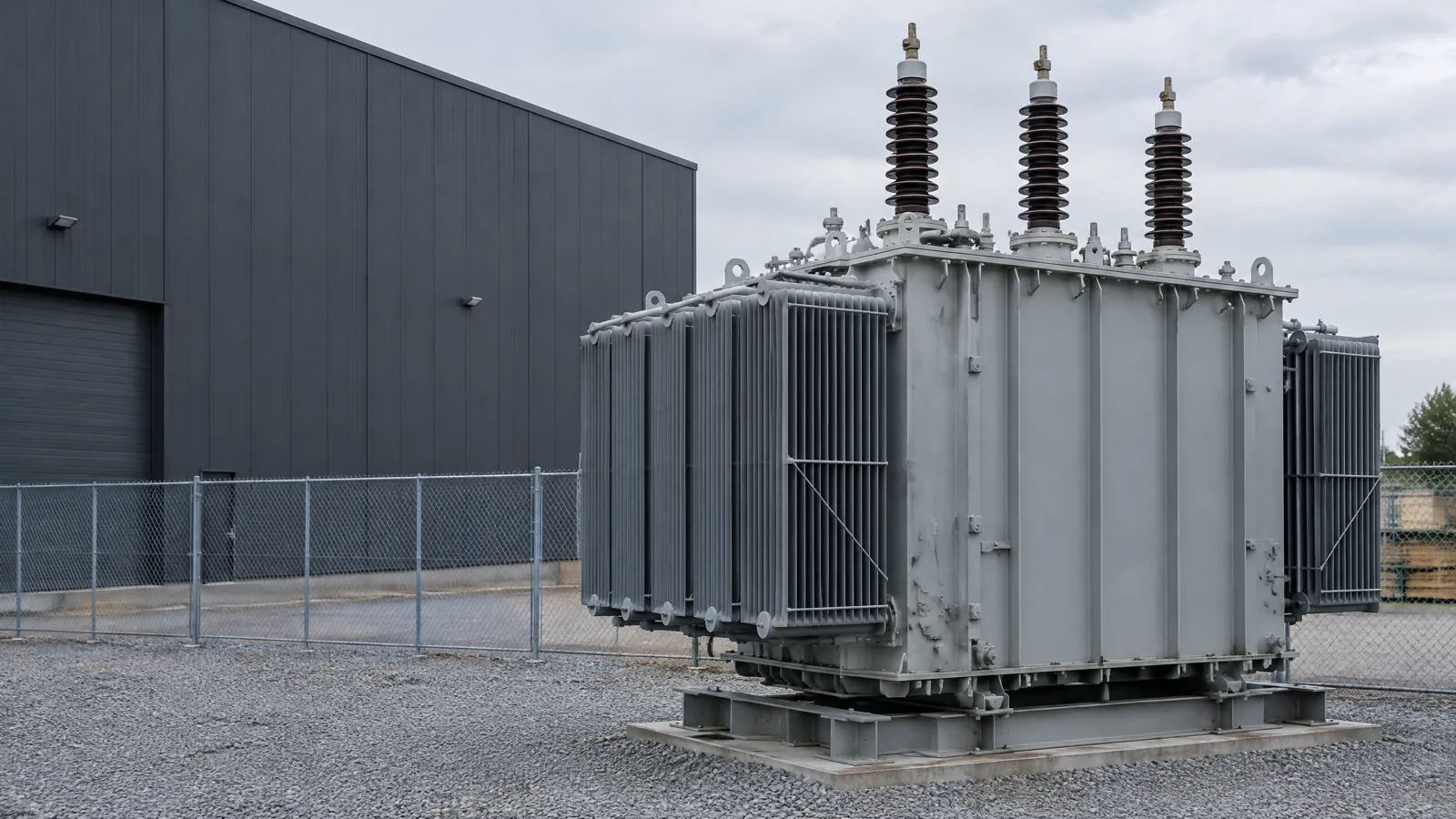
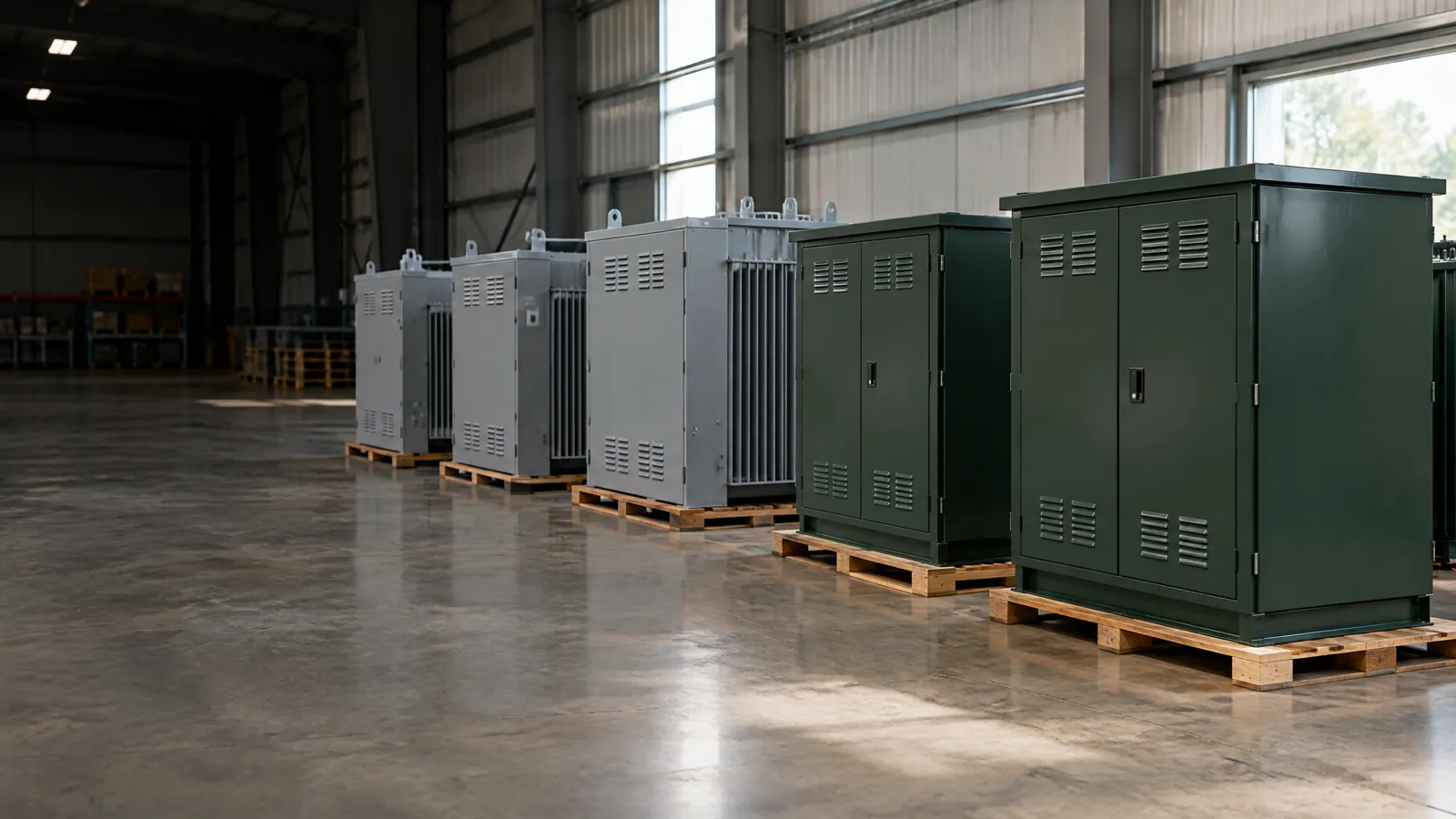
Identify the transformer type, power rating in kilovolt-amperes, phase, and primary and secondary voltages. Include the complete catalog number, including suffixes. Dry-type and liquid-filled units need different information; neither should be identified only as a pallet of transformers.
As one documented example, Schneider Electric describes EXN75T3H as a 75 kVA, three-phase dry-type transformer with a 480 V delta primary and 208Y/120 V secondary. This illustrates useful identification detail, not equipment we promise to accept. We have no manufacturer affiliation.
Preserve packaging without treating it as proof
Original cartons, crates, shipping labels, and pallets can connect unused inventory to its delivery records. Tell us whether packaging is original, has been replaced, or shows water exposure or handling damage. Include any known delivery damage claim and whether replacement accessories arrived separately.
Schneider Electric explains that packing helps protect its dry-type transformers from dirt, moisture, and physical damage during storage. An intact carton does not certify the condition inside. There is no need to uncrate equipment or open an enclosure merely to make your first enquiry.
Explain storage history separately from age
Provide the manufacturing date if known, approximate time in storage, and whether the equipment was kept indoors or exposed to weather. Mention flooding, condensation, damaged protection, or repeated relocation. A recent manufacturing date does not erase poor storage, and an older date does not describe present condition by itself.
Schneider Electric's dry-type storage guidance emphasizes clean, dry conditions and protection from contamination. Factory test records describe earlier tests, not necessarily today's condition after storage. Any current inspection or electrical testing should be handled by qualified personnel, not performed simply to obtain photos.
Do not assume unused means under warranty
Supply the original purchase and shipment dates and any written warranty terms. Unused status does not establish whether coverage remains available or transfers with a surplus sale. Those questions must be checked against the applicable manufacturer terms and purchasing records.
For example, Virginia Transformer's dry-type manual makes warranty validity conditional on specified test documentation and energization-date reporting. That requirement illustrates why paperwork matters; it is not a warranty promise for your equipment. Describe coverage as confirmed only when you have support for the specific unit and transaction.
Check compliance claims against the exact equipment
Send efficiency documentation and applicable product markings rather than describing all unused stock as current-compliant. Federal distribution-transformer rules distinguish categories and exclusions. The standards in 10 CFR 431.196 also use manufacturing dates, including separate requirements for covered units manufactured on or after April 23, 2029.
That future date is not a blanket statement that earlier stock becomes unsellable. Nor does a new-surplus label establish compliance or suitability for a proposed project. Accurate dates and manufacturer records allow those questions to be assessed without confusing inventory age with regulatory status.
Provide fluid records for liquid-filled surplus
For liquid-filled equipment, provide the identified dielectric fluid, manufacturer concentration documentation, and any available fluid-service or laboratory records. Tell us about leaks, fluid replacement, or missing labels. Fluid eligibility is reviewed case by case; never-energized status does not settle it.
EPA's PCB rules in 40 CFR 761.2 recognize testing or manufacturer documentation with subsequent fluid-service records as ways to establish concentration. Date-based assumptions for use are not proof of zero PCBs. Do not infer a no-PCB claim from age alone. Do not drain, sample, or alter the equipment for an enquiry.
Organize distributor lots without hiding differences
For multiple units, group the inventory by exact catalog number and then identify individual serial numbers. Record quantity, packaging status, manufacturing dates, and location. Mark customer returns separately from untouched overstock, even when the boxes look similar.
Explain whether accessories and records belong to each unit or to the lot as a whole. State whether you prefer selling the entire lot or discussing selected units. A spreadsheet can follow the first message; you do not need a complete inventory package before asking whether a review is worthwhile.
Set sale and collection terms before moving stock
Provide the equipment location, known dimensions and weight, access restrictions, and any deadline for clearing inventory. Identify who owns the stock and can authorize its sale. Do not assume a purchase review includes loading, freight, removal, or payment on a particular schedule.
Any proposal should clarify the included units, condition disclosures, required checks, collection responsibilities, costs, and payment terms. There is no guaranteed offer or acceptance. Leave electrical work and handling to appropriately qualified personnel; keeping the equipment intact preserves the information needed for a meaningful review.