Eaton Switchgear Buyers
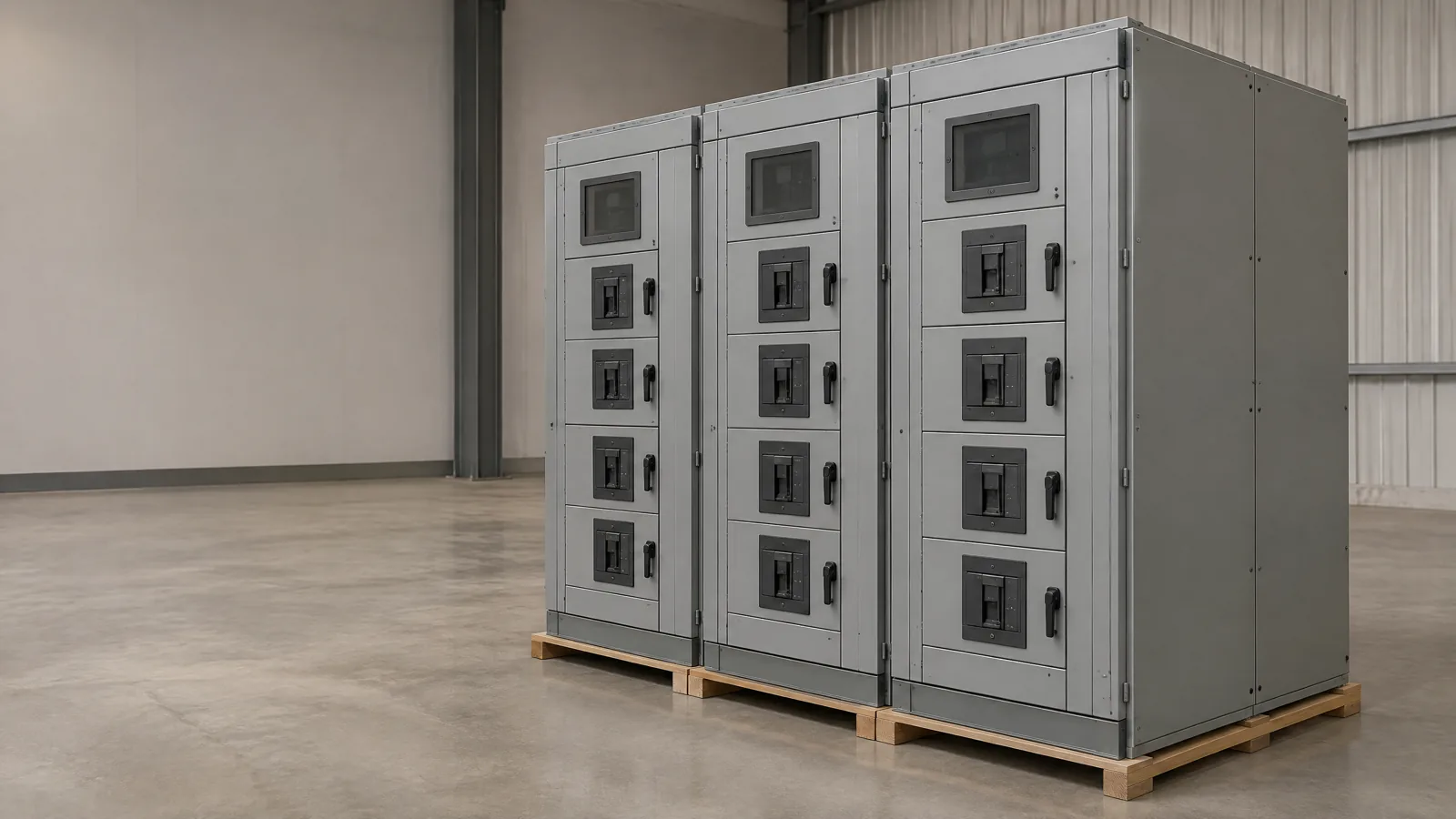
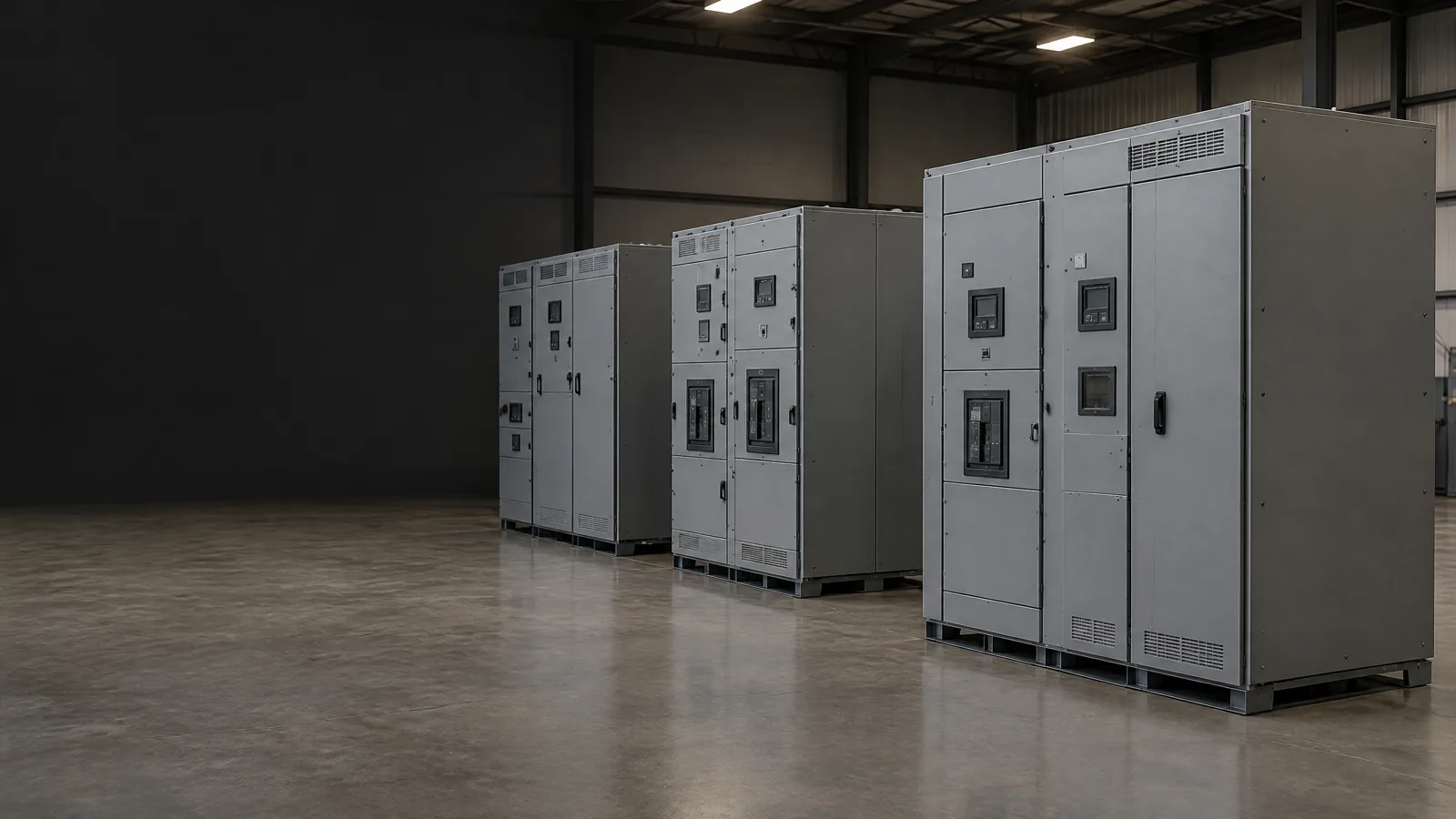
Have Eaton switchgear left after a plant upgrade, canceled project or electrical-room replacement? Surplus Valve Buyer is a Houston-based independent surplus buyer. We buy eligible Eaton and legacy Cutler-Hammer equipment, with acceptance and purchase terms confirmed for each lot. Discuss a Magnum DS lineup, VacClad-W assembly or identifiable legacy equipment before deciding how to dispose of it. The equipment's exact identity matters more than a general brand description.
Sell a lineup, sections or spare breakers
Describe what you actually own: a complete assembly, disconnected shipping sections, spare drawout breakers or a mixture from several projects. A lineup with its matching breakers is different from empty cells with devices stored elsewhere. Give the quantity of each and identify anything reserved for continued plant use. This prevents a discussion about the whole electrical room from becoming an offer for only part of it.
Unused project surplus and previously installed equipment need different descriptions. State whether the gear was installed, removed or never commissioned. We review the lot rather than assume that every Eaton-branded item qualifies. Ownership, equipment identity, condition and the agreed transaction scope must be clear before a purchase proceeds.
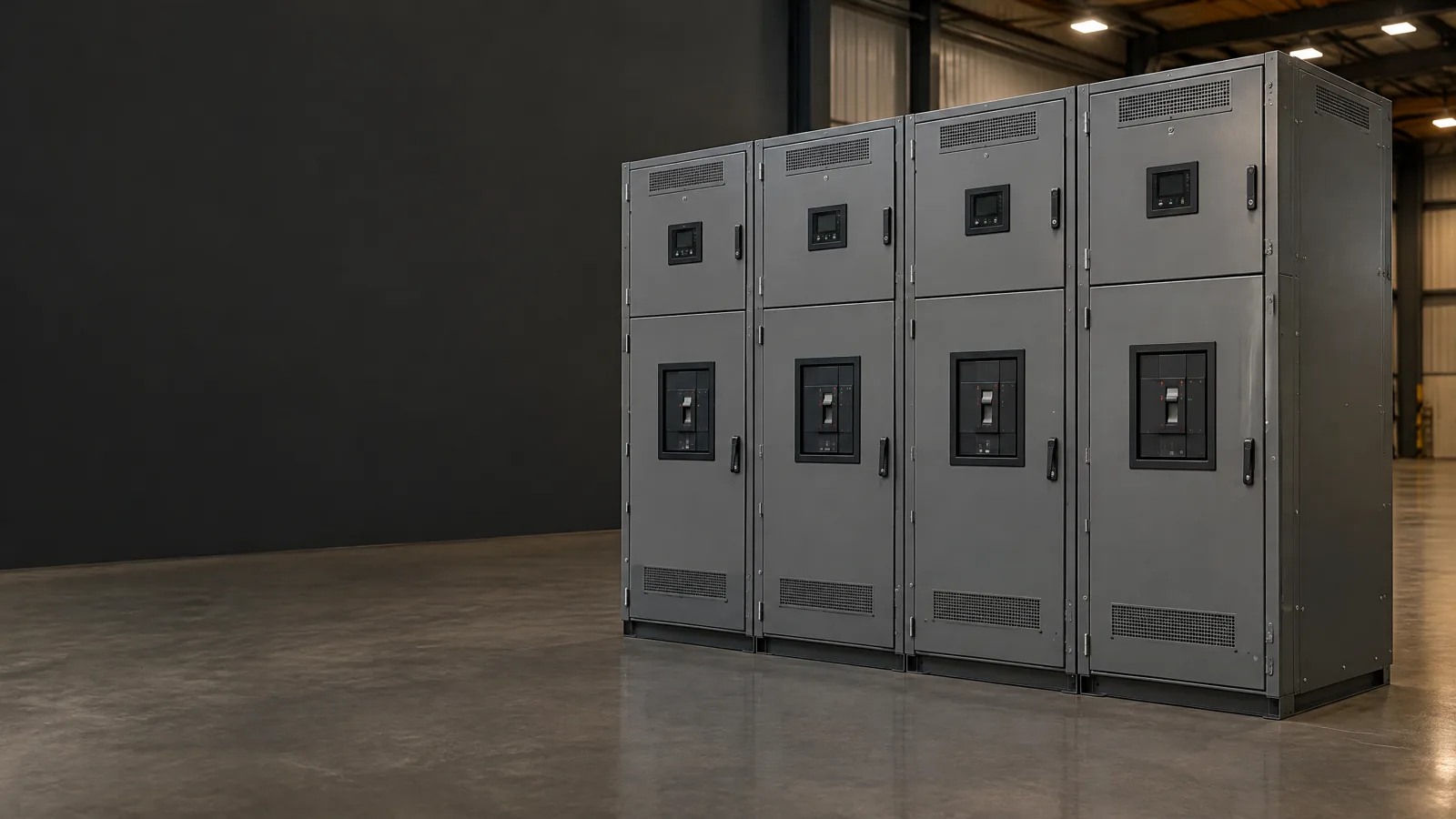
Identify Magnum DS low-voltage switchgear
Magnum DS is Eaton's metal-enclosed low-voltage switchgear family using power circuit breakers. Eaton's rear-access design guide describes UL 1558 assemblies and UL 1066 breakers. Keep the assembly designation separate from the individual breaker catalog number. A spare Magnum device is not itself a complete switchgear assembly, and a cabinet's appearance cannot establish its original rating or construction standard.
For a Magnum DS lot, report the main and feeder breaker identities, the number of sections and whether the original bus connections between shipping splits remain with the equipment. Include the trip-unit designation when already recorded. Matching information helps distinguish a complete lineup from a collection of parts without suggesting that any breaker with a similar faceplate will fit.
Read voltage, bus and breaker ratings separately
Eaton's April 2019 Magnum DS guide pairs a 480 V system voltage with a 508 V maximum voltage in its rating table. These are different fields, not conflicting descriptions. Record the wording and value on your assembly nameplate instead of replacing them with the voltage remembered from the building. Catalog ranges are identification aids, not automatic buying limits or evidence that every combination was manufactured.
Continuous bus amperes describe current-carrying capacity. They are not the same as breaker frame amperes, the sensor or rating-plug value, or an adjustable trip setting. Eaton's breaker tables list these separately from interruption and short-time withstand ratings. Likewise, a kA fault rating is not operating amperage. Report its voltage basis and whether the marking describes breaker interruption or assembly withstand; a single large number does not describe the whole lineup.
VacClad-W medium-voltage lots
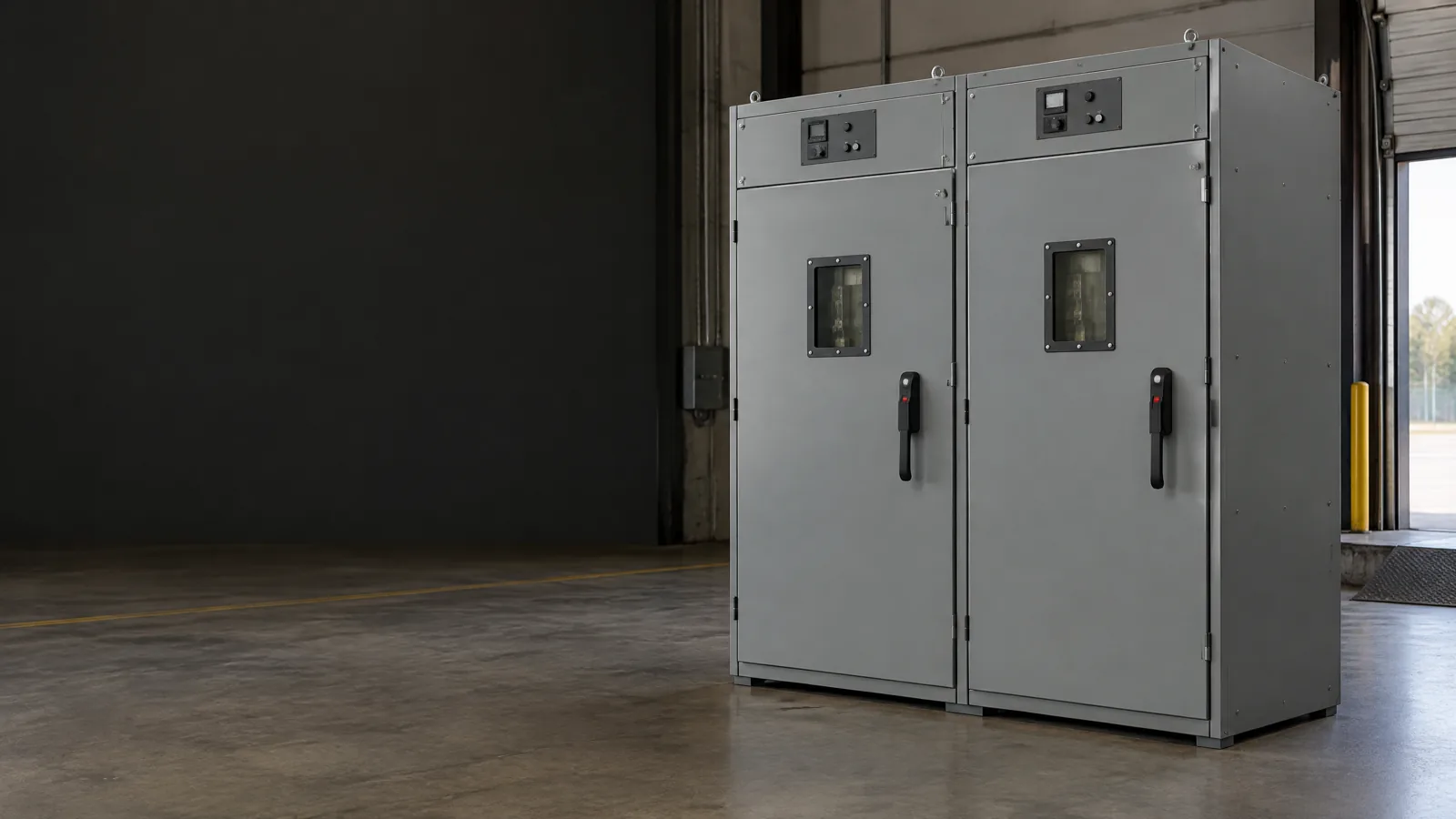
VacClad-W is a metal-clad medium-voltage switchgear family. Eaton's 5–15 kV guide describes Type VCP-W drawout vacuum breakers and compartmentalized construction under ANSI/IEEE C37.20.2. For surplus equipment, identify the assembly and each breaker independently. Preserve the full model designation rather than describing every unit as simply an Eaton vacuum breaker.
The guide's assembly table lists 4.76 kV maximum voltage with 60 kV peak lightning impulse withstand, and 15 kV with 95 kV peak. That impulse rating, commonly called BIL, measures insulation withstand; it is not nominal system voltage or a kA fault rating. Continuous main-bus current examples include 1200 A and 2000 A. Your lot's plates and records establish its configuration, including any cooling provisions, rather than a selection made from separate catalog maxima.
Legacy Cutler-Hammer identification
Do not discard an older lot's identity because current paperwork uses Eaton while the equipment carries a Cutler-Hammer nameplate. Transcribe the manufacturer, assembly designation and device style numbers exactly as marked. Eaton maintains an official legacy support page for DS and DS II low-voltage switchgear. Those names identify legacy families; they should not be casually rewritten as Magnum DS.
Old purchase orders, one-line diagrams and renewal-parts records can help connect a lineup to its original breakers. Keep dates and revision references where available. If the equipment has replacement trip units or other modifications, describe those separately from the original assembly. A legacy label is a reason to investigate identity, not a guarantee of compatibility, resale demand or a higher purchase price.
Switchboards and Pow-R-Way are different
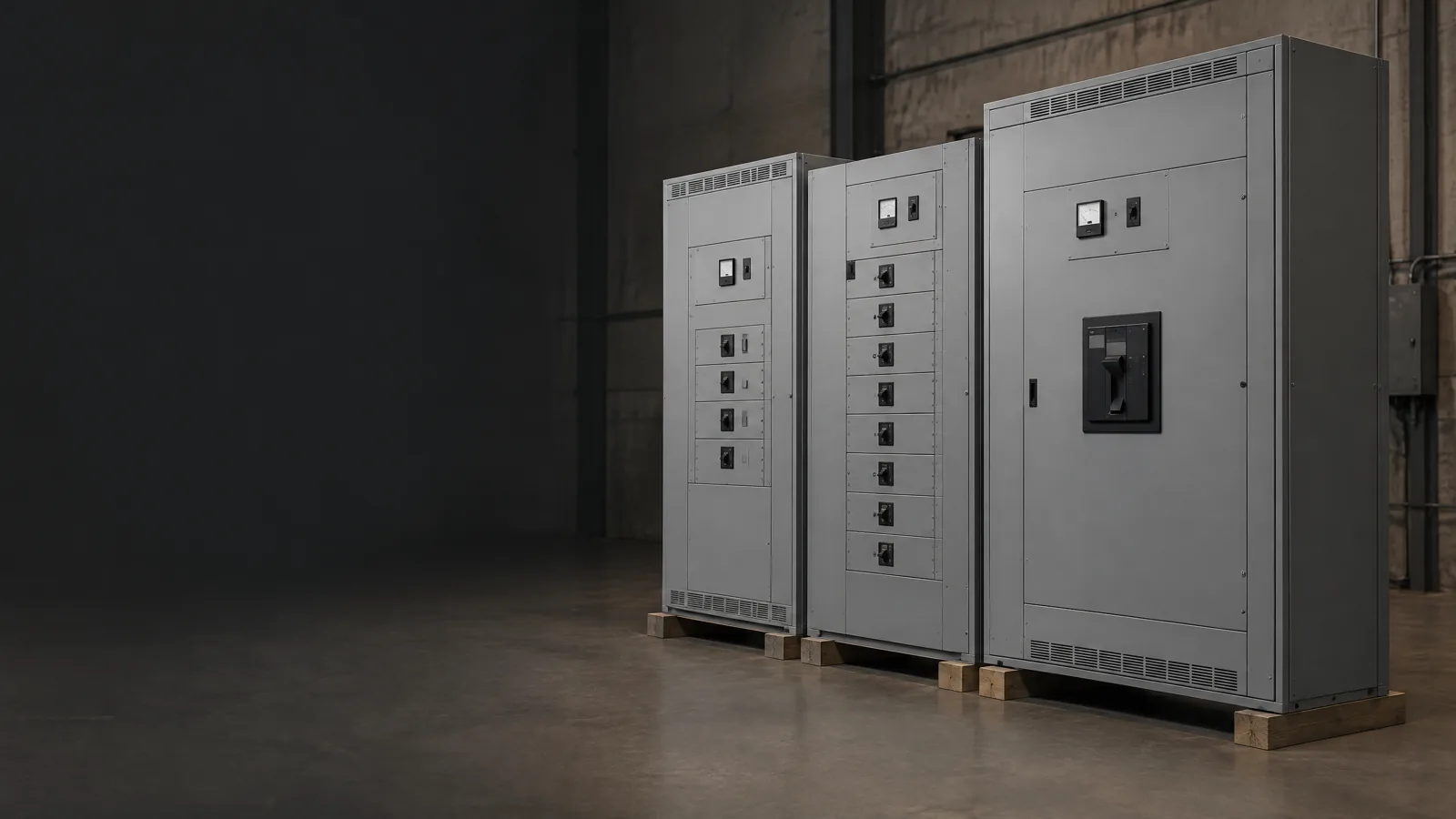
A Magnum breaker name alone does not settle whether the host assembly is switchgear or a switchboard. Eaton describes Magnum SB as an insulated-case power breaker designed for UL 891 switchboard-class applications, although the breaker itself is UL 1066 certified. Use the assembly plate to describe the equipment being sold. Do not relabel a switchboard as Magnum DS switchgear to match a search term.
Pow-R-Way III is Eaton busway, not a switchgear family. It may connect to a switchgear lineup, but its sections should be identified separately if included in a mixed lot. Mentioning that distinction helps keep quantities and purchase scope accurate without turning a switchgear inquiry into an undifferentiated equipment list.
Keep the records with the equipment
Start with information you can already access safely: inventory records, exterior labels, drawings and prior maintenance documents. Useful details include catalog or style numbers, serial numbers, section identifiers and the recorded assembly ratings. Keep an existing breaker schedule alongside the one-line diagram so the listed main, tie and feeder devices can be related to the physical lot.
Report missing items plainly. Breakers, cassettes, bus-joint hardware, doors, barriers and control documentation should not be described as included unless they are present. If paperwork covers several lineups, identify which pages belong to the equipment offered. Clear records reduce ambiguity; they do not substitute for condition review or establish suitability for another installation.
Condition and safe decommissioning
Describe storage history and known damage honestly, including moisture exposure, corrosion, broken insulation or missing components. Share existing maintenance or test reports if available, with their dates and equipment identifiers. An old report is historical evidence, not a statement that the gear is currently tested or ready for service. Equipment removed after a fault needs that history disclosed.
You can discuss a sale while planning removal, but do not open energized compartments, rack breakers or perform live tests for a sales inquiry. Qualified personnel must manage safe isolation and decommissioning. Confirm who is responsible for disconnection, section separation, rigging and loading before those activities begin.
Discuss your Eaton lot with our buyer
Call (951)403-5738 or email industrial832@gmail.com with the location, approximate quantities and equipment identity you know. Explain whether you are selling unused surplus, a removed lineup or equipment awaiting a scheduled replacement. Also state your sale deadline and any site-access restrictions. You do not need a complete technical dossier to begin the conversation.
Surplus Valve Buyer is independent, not an authorized Eaton dealer or manufacturer representative. We buy eligible lots from sellers; this page is not an inventory listing. Confirm the included equipment, price, payment arrangements and removal or transport responsibilities for your transaction. No blanket acceptance, guaranteed valuation, offer deadline or freight coverage should be assumed.