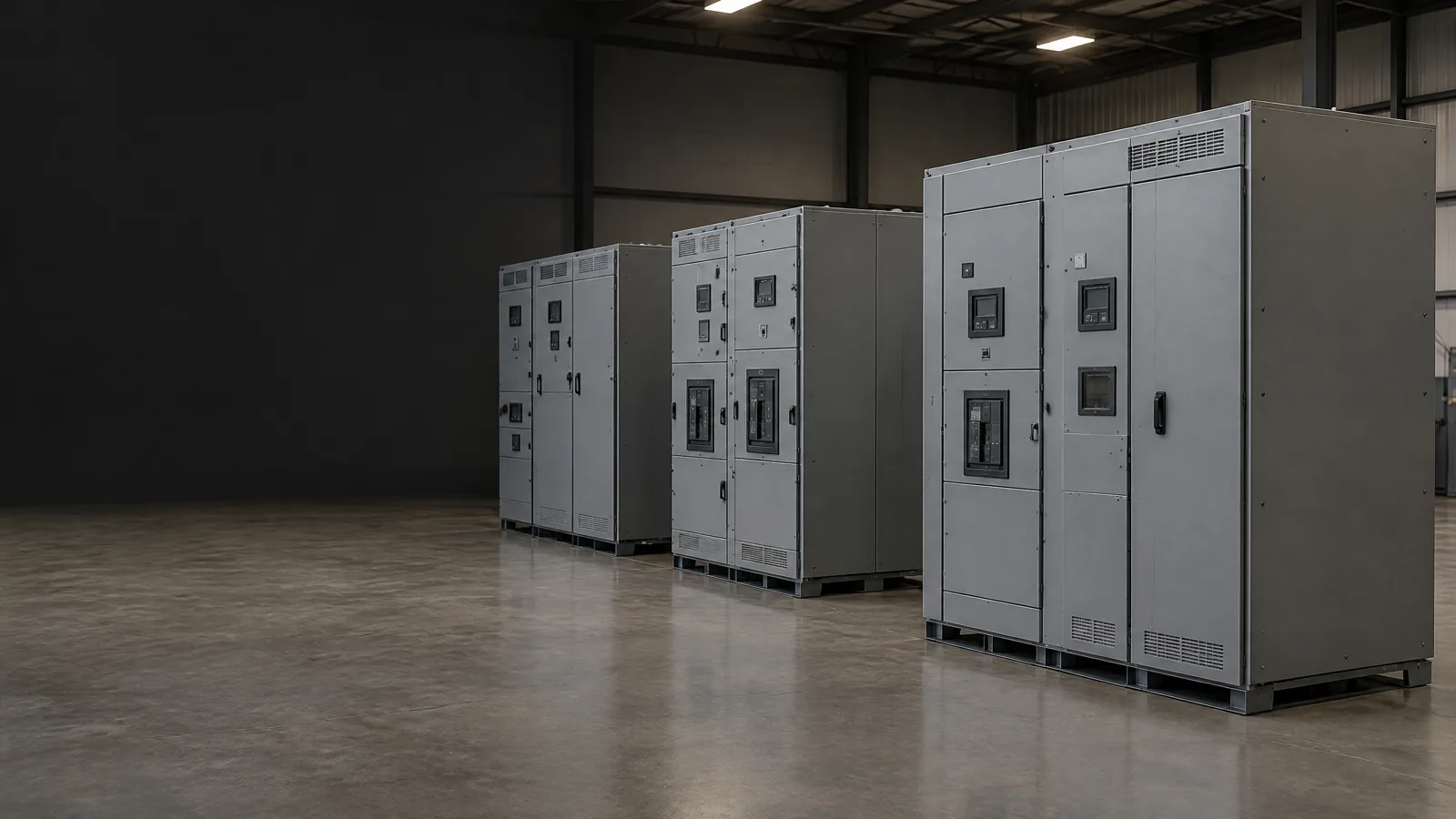
Used & Surplus Switchgear Buyers
Surplus Valve Buyer is a Houston-based independent surplus buyer. We buy eligible used and surplus switchgear, with purchase eligibility and terms confirmed per lot. If you have unused warehouse stock, gear removed during an upgrade, or a plant-closure lineup, contact us to discuss a possible sale. Complete assemblies, individual sections and identifiable switchgear parts should be described separately so an inquiry reflects what is actually available.
Warehouse surplus is different from removed used gear
Unused surplus can come from excess purchasing, spare inventory or a project that never reached installation. Describe whether the gear remains in original packaging, was unpacked for inspection, or was installed but never energized. Unused does not automatically mean undamaged, complete or suitable for another project. Storage history still matters.
Removed used switchgear has a service history. State why it was taken out, when it last operated and whether it was removed as a complete lineup. Do not describe an operating plant's gear as tested simply because it previously supplied power. Keep warehouse surplus and service-used items separate in a mixed inventory list.
Identify complete lineups, sections and parts
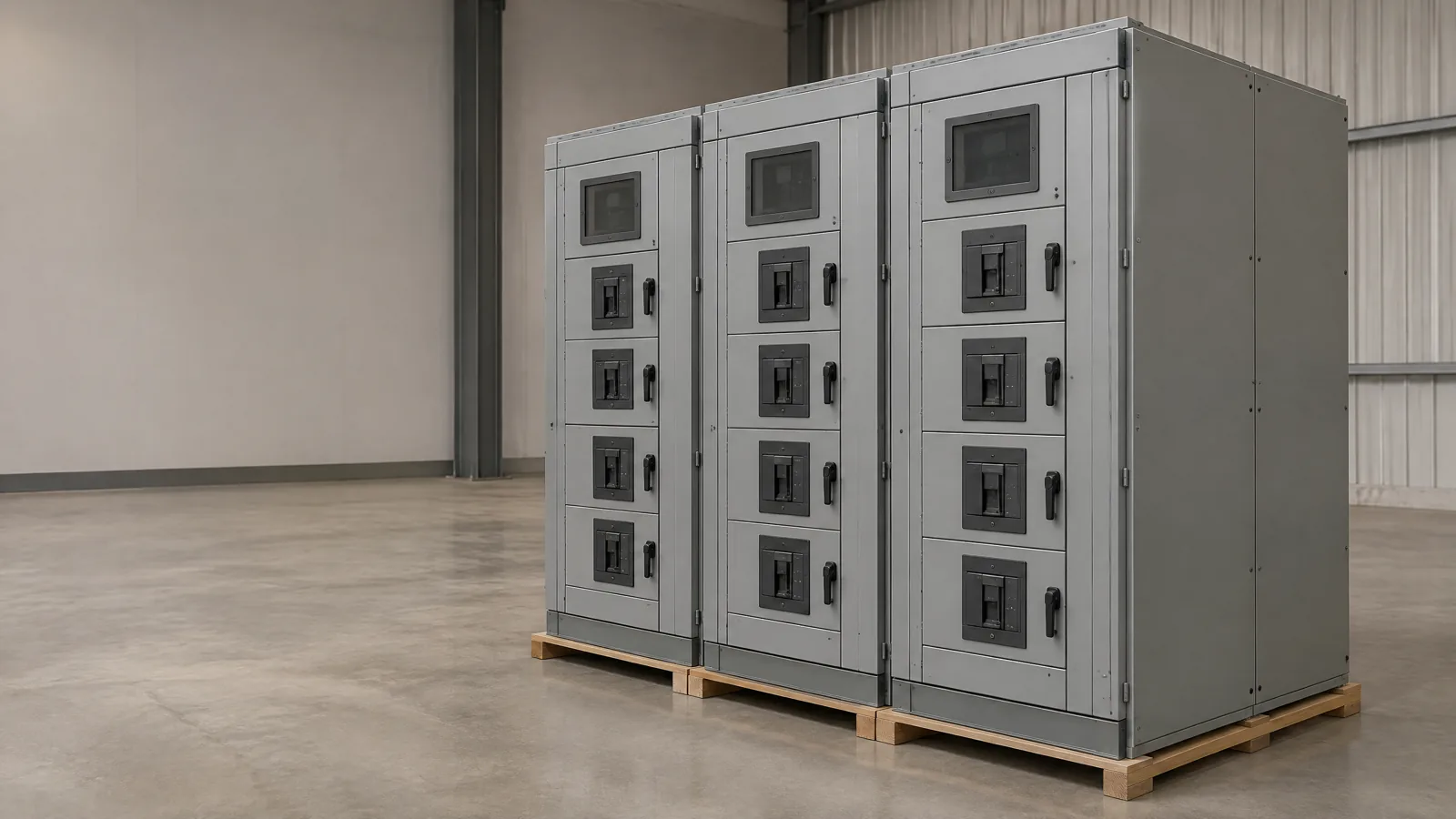
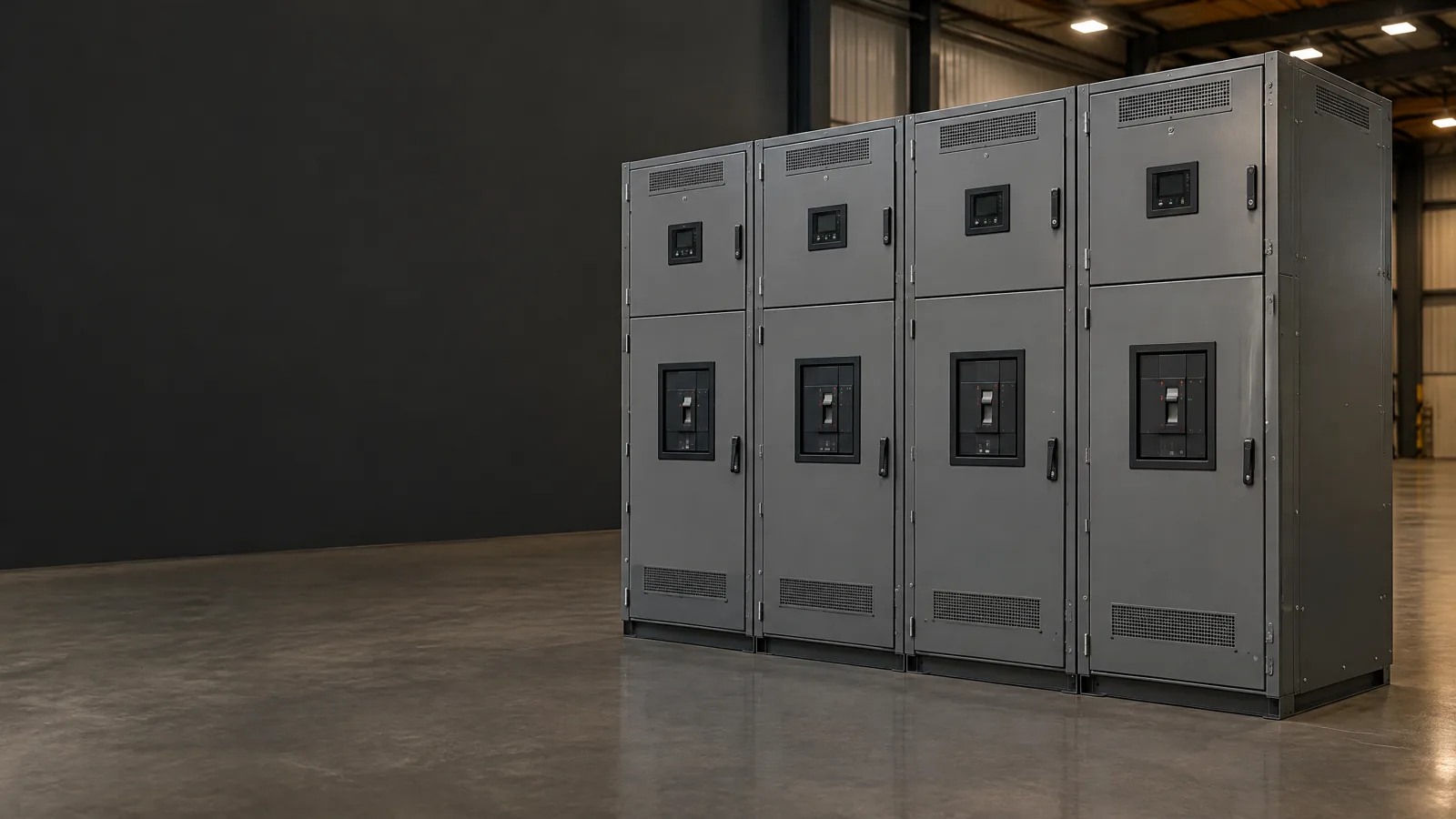
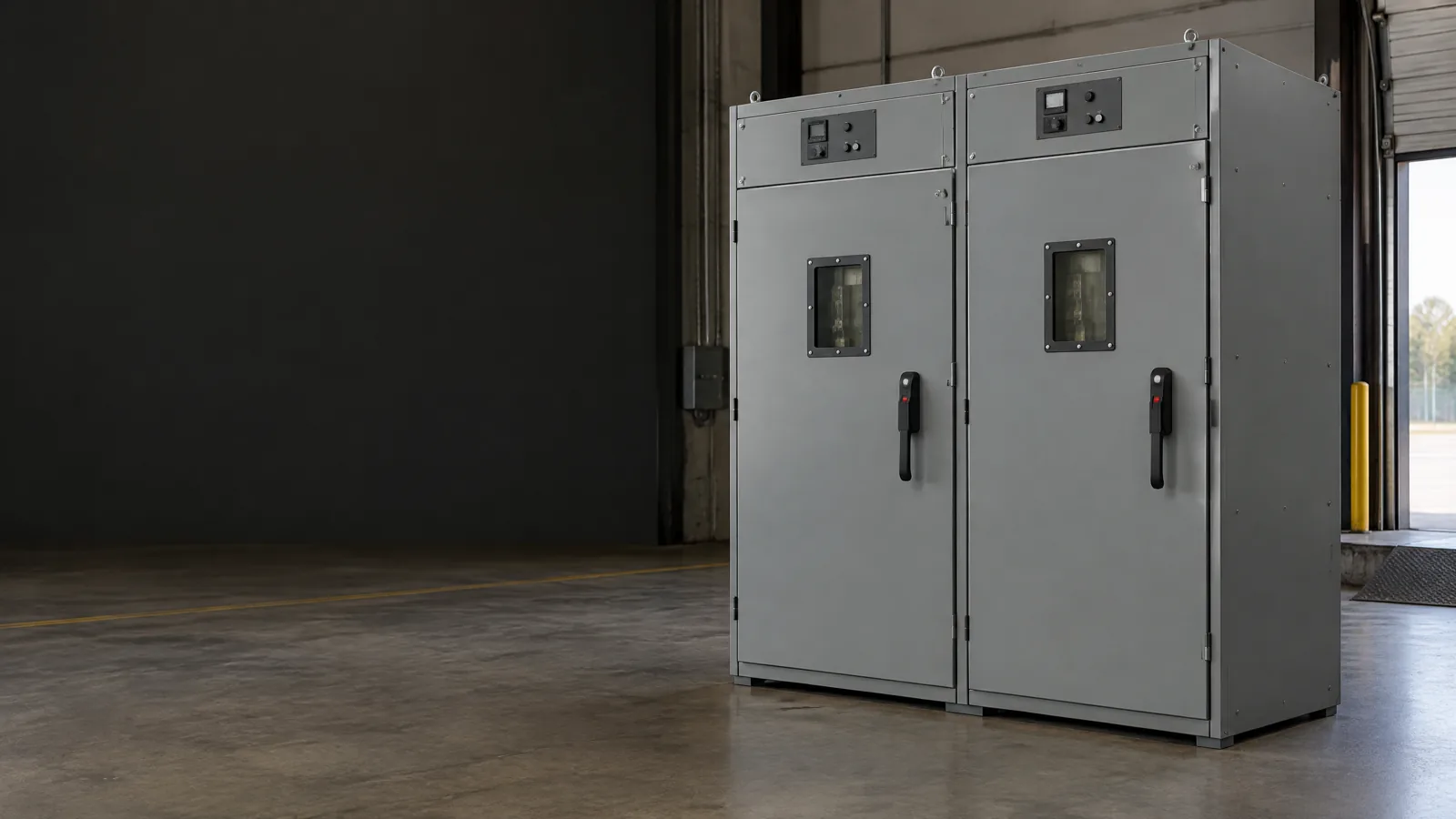
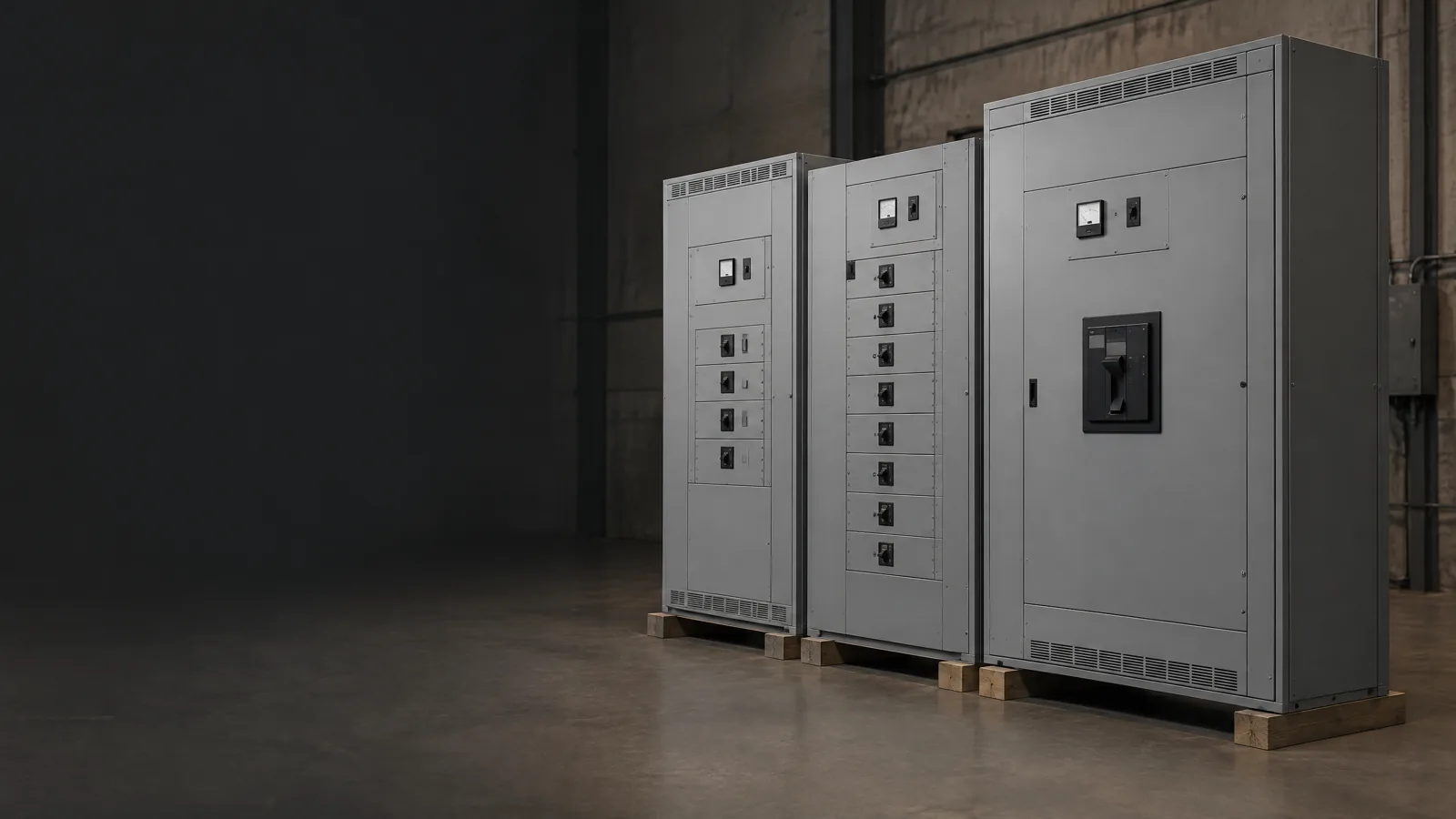
A switchgear lineup is an assembly of one or more metal structures containing protective and switching devices. Identify the manufacturer, product family and section count, then explain the main, tie and feeder arrangement. For a complete lot, note whether its breakers, relays, meters, doors and bus connections remain with it.
A single section is not necessarily a complete operating assembly. Explain where it sat in the original lineup and identify missing equipment. Loose drawout breakers, trip units and other switchgear parts need their own catalog numbers and quantities. Do not assume that similar-looking sections or breakers are interchangeable; preserve the original identification and drawings.
Selling canceled-project or plant-closure stock
For a canceled project, explain whether the original order was fully delivered and whether accessories are stored elsewhere. Retain order documents, packing lists and assembly drawings where available. A custom lineup may have been designed for a particular service arrangement, so its original purchase price alone does not establish resale value.
For a plant closure, distinguish assets available now from equipment that must remain until operations stop. Identify the sale deadline and any restrictions on removal. Used-equipment buyers assess factors such as age, condition and market demand. A closure deadline does not guarantee an offer or make every section commercially viable.
Confirm ownership and permission to release
Tell us who owns the switchgear and who can authorize its sale. Possession at a jobsite or warehouse does not by itself establish sale authority. If you are acting for an owner, contractor, liquidator or estate, identify that role and disclose any approvals needed before the lot can be released.
Resolve leased-equipment status, disputed ownership and any lender or customer restrictions with the responsible parties. Confirm whether the proposed sale includes the whole lineup or excludes retained breakers and sections. Keep the asset list consistent with the agreed scope so removal crews do not collect equipment outside the owner's authorization.
Keep assembly and breaker ratings separate
Record nominal system voltage separately from the assembly's maximum voltage rating. Eaton's Magnum DS technical data distinguishes a 480 V system from a 508 V maximum rating. Record continuous main-bus amperes separately from each breaker's frame amperes, sensor or rating-plug value and trip settings. A breaker label is not the lineup's bus rating.
Fault ratings expressed in kA also need their original labels: breaker interrupting capacity and assembly withstand ratings describe different duties. Medium-voltage BIL, or basic impulse insulation level, is an impulse-voltage withstand rating, not operating voltage. These are identification examples, not a purchasing matrix; acceptance depends on the actual assembly and lot.
Share existing testing and maintenance records
Existing commissioning reports, breaker test results and maintenance records can help describe a used lot. State the report date, equipment identifiers and work covered. A report for one breaker does not document every breaker or establish the present condition of the assembly after storage, transport or later modifications.
If records are unavailable, say so rather than calling the gear certified or ready to install. Share known repairs, replacement trip units and unresolved faults. Do not energize equipment or perform testing to support a sales inquiry. Any necessary assessment belongs with qualified personnel working under appropriate safety procedures and manufacturer guidance.
Disclose weather exposure, water and fire damage
Describe indoor or outdoor storage, missing covers, corrosion, impact damage and any exposure to rain or flooding. State whether water entered the enclosure and whether the lot was exposed to fire, smoke or excessive heat. Distinguish cosmetic wear from known electrical damage; if the extent is unknown, disclose that uncertainty.
Water-damaged gear must not be treated as ordinary used stock after drying. Schneider Electric warns against attempting reuse by air drying or washing damaged equipment; possible reconditioning of larger equipment requires expert determination. A clean exterior does not establish safety. Damaged lots may be unsuitable for purchase, and no acceptance is guaranteed.
Use qualified personnel for safe decommissioning
Tell us whether the switchgear is still connected, isolated or already removed. Decommissioning must be planned and performed by qualified personnel. OSHA requires appropriate deenergizing procedures, control of hazardous stored energy, lockout or tagging, and qualified-person verification before equipment is treated as deenergized. An off position is not proof of safe isolation.
Do not open energized compartments, defeat interlocks, disconnect conductors or move installed gear for a sales inquiry. Agree who is responsible for electrical isolation, section separation and rigging before work starts. Preserve section labels and associated hardware during professionally managed removal. A potential purchase discussion is not authorization to begin dismantling.
Agree freight and purchase terms before release
For removed gear, provide available shipping dimensions, weights and the number of separate sections or pallets. For installed gear, describe access restrictions and the removal timeline instead of guessing shipping readiness. Loading access, packaging requirements and protection of loose breakers should be discussed before a carrier or rigging crew is committed.
Confirm the accepted item list, condition description, price, payment terms and responsibility for removal, loading, packaging and freight in the lot agreement. Do not assume pickup or shipping is included. Contact Surplus Valve Buyer before dispatching equipment; an inquiry is not purchase approval, and eligibility and terms remain specific to each lot.